







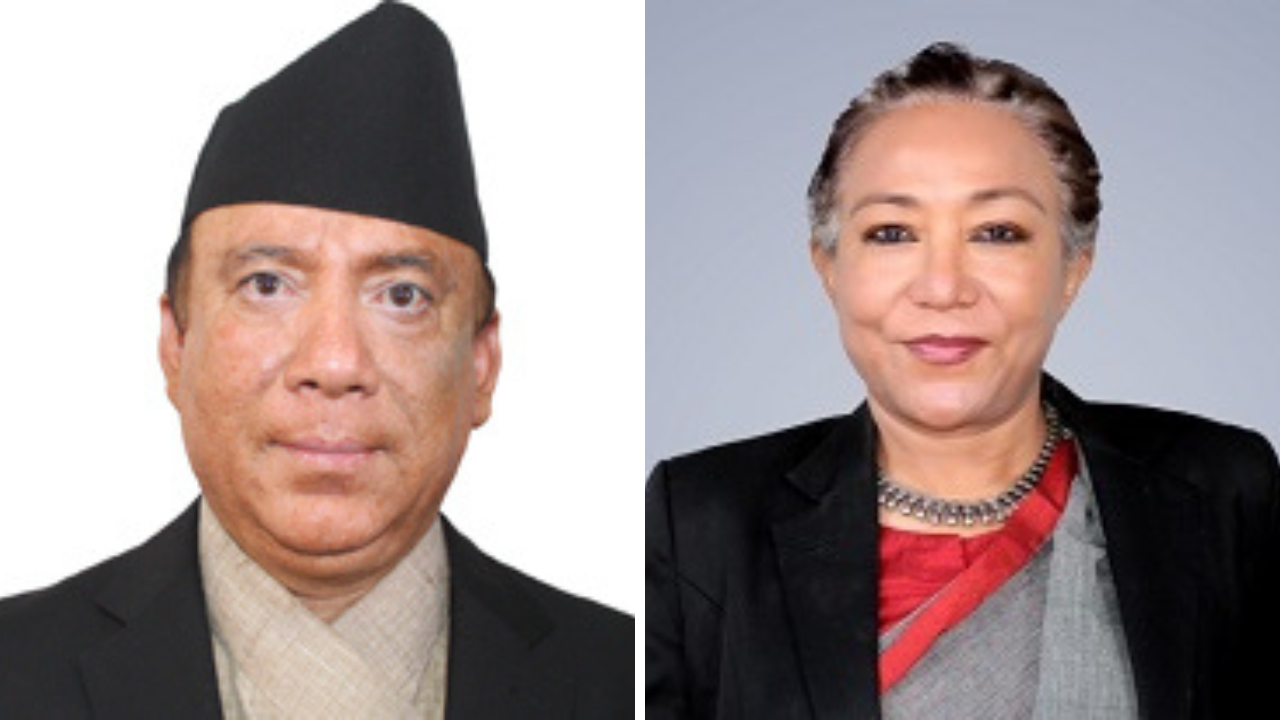
Kathmandu, April 1: Senior-most Justice Sapana Pradhan Malla assumed charge as acting Chief Justice on Wednesday, right after Prakash Man Singh Raut exited at 65, the mandatory retirement age. Seniority rules made the handover automatic and clean on paper, slightly less so in reality.
Raut, who became Chief Justice in October 2024 after eight years on the bench, leaves behind a court now running on an interim setup. Malla’s appointment keeps things moving, and if the usual script holds, she is in line to become Nepal’s second female chief justice after Sushila Karki.
Now comes the part where the system looks a bit… unfinished. The constitution says the Constitutional Council should recommend a new chief justice at least a month before the incumbent retires. That did not happen. No meeting, no recommendation, just silence. So the top court runs under “acting” leadership until Prime Minister Balendra Shah decides to convene the council and move the process forward.
That council, a crowded table of political and institutional heavyweights, is supposed to prevent exactly this kind of delay. Instead, it has produced one.
Malla, meanwhile, is not some placeholder figure. Long before joining the bench in 2016, she built a reputation as a lawyer focused on women’s rights, gender justice, and human rights. On the court, she has handled key constitutional and social justice cases, which makes her more than a ceremonial stopgap.
If formally appointed, she will serve until November 2028. Until then, she runs the court in an acting capacity, holding authority without the full stamp of permanence.
So the judiciary keeps functioning, because it has to. But the gap between what the constitution demands and what actually happens remains awkwardly visible.
People’s News Monitoring Service

Login to add a comment