







Kathmandu, June 10: Nepal’s spring mountaineering season has officially wrapped up, drawing strong international participation and generating more than Rs 1.26 billion in government revenue from climbing permits and royalties.
According to the Department of Tourism, permits were issued to 1,195 climbers, both Nepali and foreign nationals, for expeditions on 31 mountains across the country. The list included Sagarmatha, the world’s highest peak and Nepal’s most sought after climbing destination.
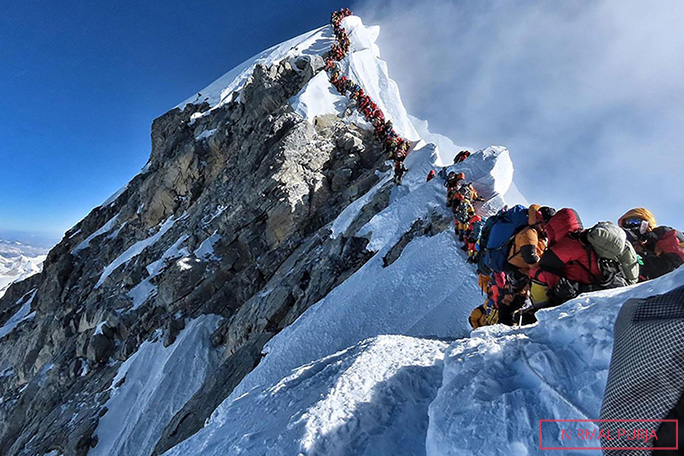
Everest alone accounted for 495 permit holders from 56 countries. Of them, 390 were men and 105 were women, while 44 climbers were Nepali citizens. The mountain continued to dominate the season in both climber numbers and revenue generation, contributing the bulk of the government’s royalty earnings.
The spring season also supported a large number of jobs in the mountain tourism sector. More than 1,000 high altitude guides, Sherpas, rope fixing teams and support staff reached the summit alongside expedition members, highlighting the crucial role played by Nepal’s mountain workforce in ensuring successful ascents.
China topped the list of countries with the highest number of Everest permit holders at 159, followed by the United States with 152 and India with 101. Germany, the United Kingdom and Russia were also among the leading source markets for climbers, reflecting Everest’s continued appeal across major adventure tourism destinations.
The season witnessed several notable achievements. Veteran Nepali climber Kami Rita Sherpa further cemented his place in mountaineering history by reaching the summit of Everest for the 32nd time, extending his own world record. Meanwhile, Lhakpa Sherpa set a new benchmark among women climbers after completing her 11th successful ascent of the mountain.
Tourism officials said the strong turnout demonstrates the resilience of Nepal’s mountain tourism industry and the enduring global attraction of the Himalayas. Mountaineering remains a major source of foreign currency earnings for Nepal, supporting airlines, hotels, trekking agencies, guides and local communities across mountain regions.
With the spring climbing window now closed, attention will shift to preparations for the autumn climbing and trekking season, another important period for Nepal’s adventure tourism sector.
People’s News Monitoring Service

Login to add a comment