







By Our Reporter
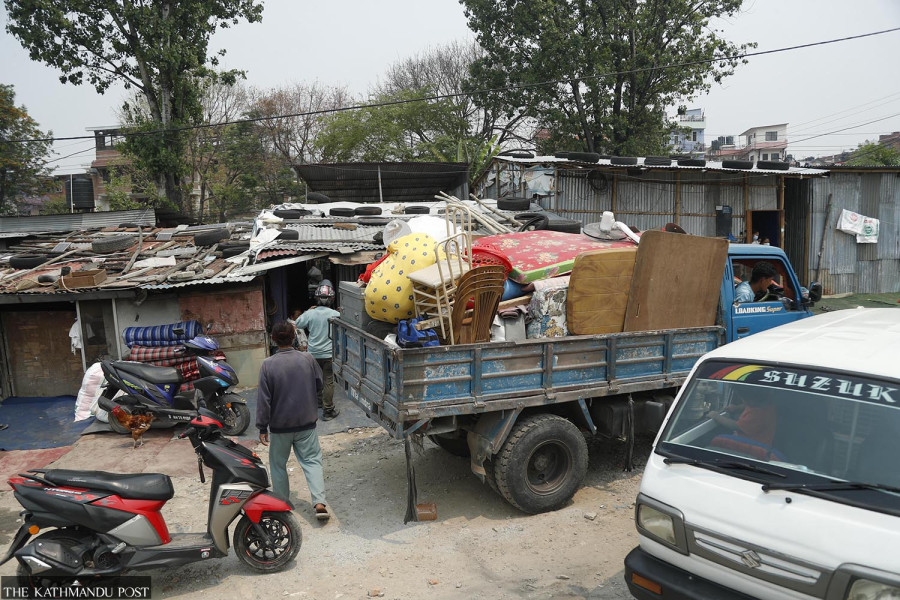
The arrest of Gen Z activists Majid Ansari, Sarisma Thapa and Nelson Ghatani after they visited flood affected squatters in Kirtipur has added another chapter to a growing debate over civil liberties in Nepal. The three did not arrive carrying weapons or leading a violent demonstration. They went to express solidarity with people displaced after the government cleared informal settlements and later left many exposed to monsoon flooding. Yet the visit ended with police detention, allegations of assault, and another round of questions about how far the state is willing to go to silence criticism.
Viewed alone, the incident could be dismissed as an isolated confrontation between activists and police. Seen alongside a string of recent arrests involving protesters, social media users and government critics, it paints a more troubling picture. Many now fear Nepal is slowly shrinking the democratic space that citizens fought hard to secure.
No government can function without law enforcement. Police have the duty to protect public order, secure restricted areas and respond when officials believe the law has been broken. Authorities also have a legitimate responsibility to prevent violence, protect public property and ensure protests do not disrupt essential services. Every democracy places some limits on demonstrations, especially in sensitive locations such as airports or critical government facilities.
That principle is not in dispute. The concern lies in how those powers are being exercised. Police action appears increasingly directed at people expressing criticism rather than those posing genuine threats to public safety. Detaining activists for visiting displaced families, arresting people for social media posts, or requiring protesters to sign undertakings promising not to repeat similar activities creates the impression that dissent itself is becoming suspect.
Such measures may produce short term calm. They rarely produce lasting public trust.
Prime Minister Balendra Shah came to office on the back of extraordinary public expectations. Much of that support came from younger voters who were frustrated with traditional politics. They expected a government that would be more transparent, more responsive and less dependent on coercive state power. His rise symbolised a break from old political habits.
To the government’s credit, it has shown willingness to challenge entrenched interests and move quickly on issues that previous administrations often ignored. Its decision to remove squatters from public land reflected a broader commitment to enforcing the rule of law and protecting public property. Governments cannot simply overlook illegal occupation forever, especially when it affects infrastructure, environmental protection or urban planning.
Yet enforcing the law is only one part of governing. A democratic government must also consider the human cost of its decisions. Evictions without adequate rehabilitation, followed by poor temporary arrangements that left vulnerable families exposed to monsoon floods, weakened the moral strength of the government’s position. Instead of addressing criticism through dialogue and better policy, authorities increasingly appear to be relying on police intervention.
That approach carries serious risks. Police are often the most visible face of the state. Every unnecessary arrest, every allegation of excessive force and every attempt to suppress peaceful criticism damages public confidence not only in law enforcement but also in democratic institutions themselves. Once citizens begin to fear that questioning government decisions could invite police action, self-censorship gradually replaces open debate.
Nepal has travelled a long road from absolute monarchy to constitutional democracy. The Constitution guarantees freedom of expression, peaceful assembly and the right to question those in power. Those rights are not rewarding for agreeing with the government. They exist precisely to protect people who disagree with it.
Democracy is tested not by how governments treat supporters but by how they respond to critics.
Equally, activists also carry responsibilities. Peaceful protest should remain peaceful. Public demonstrations should respect the law and avoid obstructing emergency services or threatening public safety. Civil disobedience has always involved accepting legal consequences when laws are knowingly breached. Responsible activism strengthens democracy. Reckless confrontation weakens it.
Police professionalism is equally essential. Officers should act with restraint, communicate respectfully and use force only when absolutely necessary. Allegations that an activist seeking legal justification for arrest was physically assaulted deserve an independent investigation. Accountability strengthens policing. It does not weaken it.
Nepal is not a police state. Its courts remain active, independent voices continue to speak out and civil society remains vibrant. But recent developments should serve as an early warning rather than a cause for complacency. Democracies rarely lose freedoms overnight. More often, civic space narrows one small step at a time until exceptional measures begin to look ordinary.
The government’s strongest response to criticism is not arrest. It is better governance. Citizens who question authority are not enemies of the state. In a healthy democracy, they are often its most valuable safeguard.

Login to add a comment