







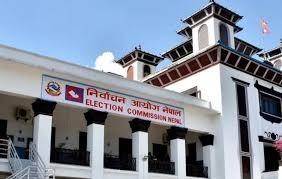
Kathmandu, March 11: Nepal’s incoming House of Representatives will feature a much younger group of lawmakers, with 71 members under the age of 40 winning seats in the recent election.
Data from the Election Commission shows that these younger politicians account for 43.03 percent of those elected through the direct voting system. Among them are four representatives from the Generation Z age group.
The increase is dramatic. In the 2022 parliamentary election, only 10 lawmakers under 40 were elected. The latest results have pushed that number up more than seven times.
Most of the younger lawmakers come from the Rastriya Swatantra Party. The party has secured 125 seats in the House, and 62 of its winners fall below the age of 40.
The Nepali Congress stands second in terms of young representatives, with five candidates under 40 elected from the party. Congress secured 18 seats through the direct election system.
Other parties have very limited youth representation. Two candidates under 40 from the CPN UML have won seats, along with one each from the Rastriya Prajatantra Party and the Shram Sanskriti Party. The Nepali Communist Party did not elect any candidate in this age group.
Among all elected members, 10 fall in the age range of 25 to 30. The youngest member of parliament is Prashant Upreti of the Rastriya Swatantra Party, who won from Makwanpur 2.
Other young winners from the same party include Manish Khanal, 26, Sulav Kharel, 28, Nisha Dangi, 29, Sasmit Pokharel, 29, Ramji Yadav, 30, Shiva Shankar Yadav, 30, Ranju Nepupane, 30, and Sobita Gautam, 30. Aren Rai, 29, from the Shram Sanskriti Party, won the election from Khotang.
At the other end of the age spectrum, Nepali Congress leader Tek Bahadur Gurung and independent candidate Mahabir Pun are the oldest elected members, both aged 71.

Login to add a comment