







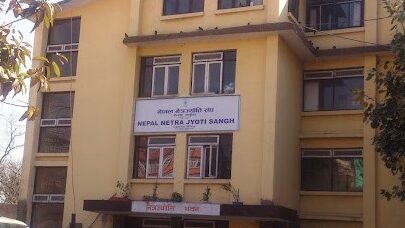
Kathmandu, July 21: Nepal has long been known for Mount Everest, the birthplace of Gautam Buddha and its natural beauty. Now, the country’s eye care sector is emerging as a new source of international recognition and foreign exchange earnings.
Eye hospitals run by the Nepal Netra Jyoti Sangh (NNJS) earned more than Rs 1.5 billion in foreign currency during fiscal year 2025/26 by treating patients from India, Bangladesh, Bhutan and other countries. The network includes 28 eye hospitals and 226 treatment centers.
The revenue reflects growing international confidence in Nepal’s affordable, high quality eye care services, skilled specialists and modern treatment facilities. It also highlights the country’s potential to become a regional medical tourism destination.
During the fiscal year, the NNJS network provided eye care services to more than 5 million patients and performed about 566,000 eye surgeries.
Experts say patients choose Nepal because of its experienced ophthalmologists, lower treatment costs, shorter waiting times and successful surgical outcomes. Positive experiences shared by former patients have also helped attract more international visitors.
Medical tourism offers wider economic benefits beyond hospital fees. Foreign patients and their families spend on hotels, transport, food, medicines and local businesses, while many combine treatment with visits to Nepal’s tourist and religious sites.
In 2025 alone, the NNJS network screened more than 911,000 foreign patients and performed over 153,000 eye surgeries for international visitors.
Founded in 1978 to reduce preventable blindness, NNJS has expanded eye care across Nepal through hospitals, outreach clinics, school screening programs and specialized services for cataracts, glaucoma, retinal diseases, corneal disorders and pediatric eye care.
A key strength of Nepal’s model has been taking services to remote communities rather than limiting them to urban centers. Community screening, referrals and local eye care programs have played a major role in reducing blindness.
Nepal’s blindness rate has fallen from 0.84 percent in 1981 to about 0.28 percent today. The government aims to reduce it further to 0.20 percent by 2030 in partnership with NNJS and other organizations.
Nepal is also exporting its expertise. In late June, NNJS organized a two day free eye camp in Cambodia, where Nepali specialists examined and treated around 1,200 patients.
Experts say Nepal has the foundations to become South Asia’s leading eye care hub. They argue that with stronger government support, investment in health infrastructure, easier access for foreign patients and better international promotion, medical tourism could become a significant source of foreign exchange and economic growth.
People’s News Monitoring Service

Login to add a comment