








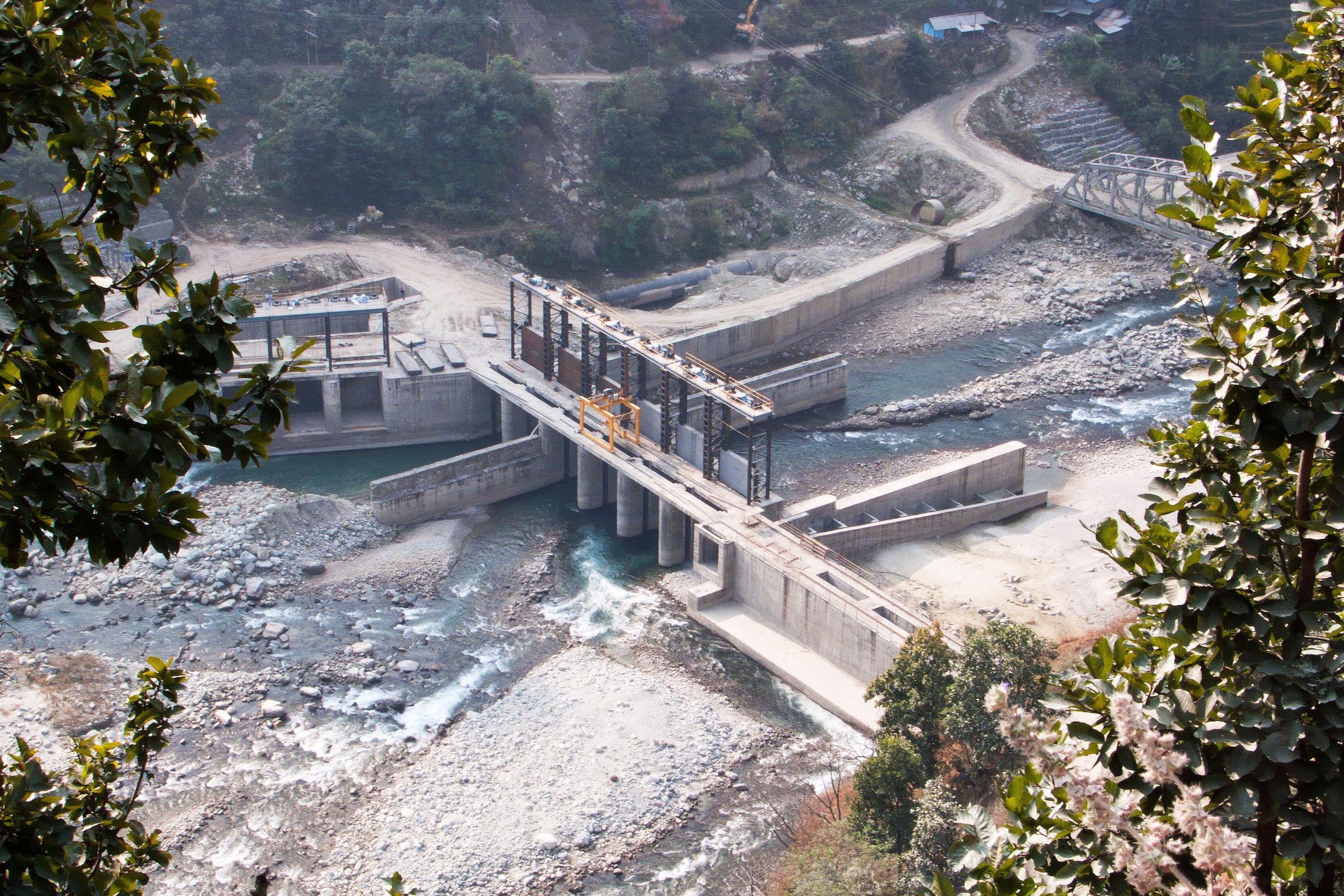
Kathmandu, July 21: The government fell 381 MW short of its electricity generation target in the last fiscal year, adding only 561 MW to the national grid against a target of 942 MW.
According to the Nepal Electricity Authority (NEA), 25 hydropower and solar projects with a combined capacity of 560.99 MW were connected to the national grid during fiscal year 2025/26. Despite missing the target, the addition was 127 MW higher than the 434 MW added in the previous fiscal year.
Most of the new capacity came from run-of-river hydropower projects, mainly small and medium-sized plants. Several large projects, however, failed to meet their completion deadlines because of construction delays, transmission line constraints, financing issues and technical challenges, the NEA said.
The largest project commissioned during the year was the 102 MW Middle Bhotekoshi Hydropower Project, which began commercial generation nearly 14 years after construction started. Other major additions included the 82 MW Lower Solu, 50 MW Mewa Khola, 48.5 MW Upper Rahughat and 35.5 MW Rahughat Mangale projects.
Smaller hydropower projects and two solar plants, the 8 MW Duhabi Solar Project and the 5 MW Dhalkebar Solar PV Project, made up the remaining capacity.
Independent Power Producers’ Association Nepal (IPPAN) President Mohan Kumar Dangi said missing the target highlights persistent structural problems in the energy sector.
“The government failed to resolve issues facing several projects on time,” he said, urging faster completion of large projects, expansion of transmission lines, easier financing and removal of administrative hurdles.
The government has set a target of adding 1,040 MW to the national grid this fiscal year. Nepal’s installed capacity currently stands at around 4,300 MW.
The Energy Ministry said Nepal and India have agreed to increase electricity exports through the 400 kV Dhalkebar Muzaffarpur transmission line from the current 1,000 MW to 1,650 MW. Work is also underway to complete the Chameliya Dhaualiganga 220 kV cross-border transmission line by December 2028.
As most projects are run-of-river plants, electricity generation peaks during the monsoon but falls sharply in winter, forcing Nepal to import power from India. During the rainy season, surplus electricity is exported to India and Bangladesh.
The government is implementing a long-term plan to develop 28,500 MW of hydropower capacity by 2035.
People’s News Monitoring Service

Login to add a comment