







Kathmandu, July 10: A proposed overhaul of Nepal’s civil service retirement rules has triggered a surge in early resignations, as government employees rush to secure higher pension benefits before any legal changes take effect.
According to the National Book Office (Civil Service), 208 civil servants resigned between June 15 and July 9, spanning just 18 working days after excluding public holidays. The figure exceeds the 199 employees who retired compulsorily after reaching the current retirement age of 58 during the same period.
Those resigning include eight joint secretaries, 45 under secretaries, 50 section officers, and 105 non-gazetted assistant-level employees. Altogether, 407 civil servants left government service in June through either resignation or mandatory retirement.
Officials attribute the exodus to a proposed amendment to the Federal Civil Service Act, which would require employees to retire after completing either 30 years of service or reaching the age of 55, whichever comes first.
More importantly, the draft proposes calculating pensions based on a maximum of 30 years of service, regardless of whether an employee has worked for 33, 35, or even 39 years.
Although the bill has not yet been registered in Parliament, many employees fear the government could introduce the changes through an ordinance once the parliamentary session ends. That concern has prompted many eligible officials to resign before the law can change.
Officials at the National Book Office said many employees chose to resign before June 25, the deadline for closing government accounts for the fiscal year, so they could receive retirement benefits without delay.
They argue that employees with more than 30 years of service stand to lose significant pension income if the proposal becomes law.
For example, a joint secretary with 37 years of service currently qualifies for a monthly pension exceeding Rs 42,000, excluding grade benefits. Under the proposed formula, the same official would receive a pension based only on 30 years of service, reducing the monthly amount to around Rs 34,000.
Similarly, employees with 39 years of service could lose pension credit for nine years, while those with 35 years of service could forfeit benefits linked to five additional years.
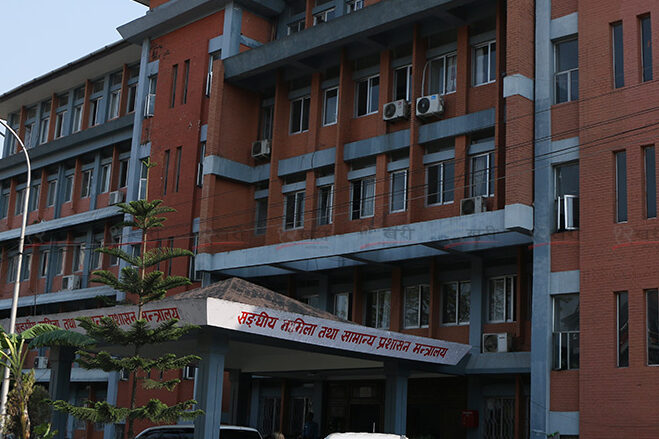
The proposed legislation remains with the Ministry of Law after being prepared by the Ministry of Federal Affairs and General Administration. Since Parliament is still in session, the government cannot issue an ordinance under the Constitution. However, uncertainty over the timing of the reform has fueled anxiety across the bureaucracy.
Officials say the number of resignations would likely have been lower if the government had committed to introducing the amendment through the normal parliamentary process.
The government has also announced a 10 percent salary increase from the new fiscal year. Employees who remain in service until then will receive the higher salary, which would also raise their future pension calculations. Many who resigned early will miss out on that additional benefit, choosing certainty over the risk of a lower pension under the proposed law.
People’s News Monitoring Service

Login to add a comment