







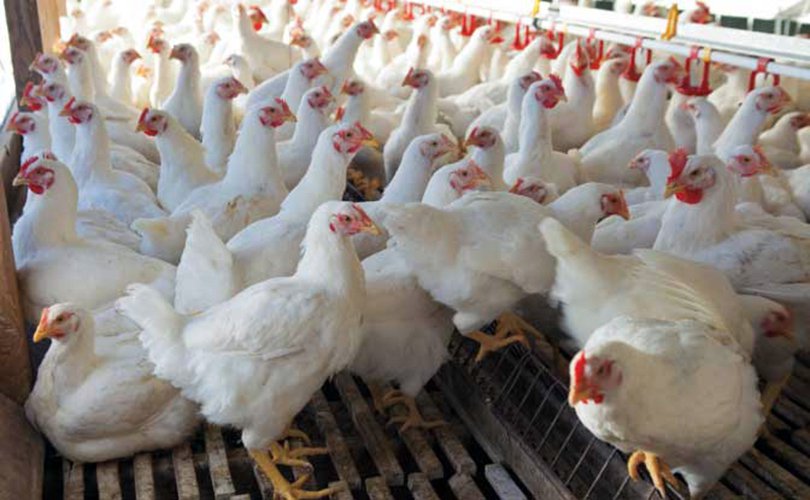
Kathmandu, July 8: Nepal has largely brought its latest outbreak of bird flu under control, with infections contained in most affected districts. Yet health authorities have warned that the virus continues to pose a serious threat in the Kathmandu Valley, while the situation in Kavrepalanchok has become increasingly concerning.
According to the Department of Livestock Services, outbreaks have been successfully contained in several districts, including Jhapa, Morang, Sunsari, Mahottari, Bara and Chitwan, following weeks of intensive surveillance and disease control efforts. Officials say the focus has now shifted to preventing fresh outbreaks in areas that remain vulnerable.
The department said the Kathmandu Valley, comprising Kathmandu, Lalitpur and Bhaktapur, continues to face the risk of transmission due to its dense concentration of commercial poultry farms and the constant movement of birds and poultry products. At the same time, Kavrepalanchok has emerged as one of the most affected districts, with authorities reporting a rapid spread of the virus in recent weeks.
Senior Veterinary Officer Dr. Mukul Upadhyay said surveillance has been stepped up in high-risk areas, with veterinary teams working closely with provincial and local governments to detect new infections early and prevent the disease from spreading further.
“We have completed field inspections in high-risk locations and prepared joint assessment reports with local authorities. Those findings have helped guide disease control measures on the ground,” he said.
The department said the response has included culling infected birds, disinfecting affected farms, restricting the movement of poultry from infected zones, and closely monitoring surrounding areas for signs of new infections.
The outbreak has already taken a heavy toll on Nepal’s poultry sector. Department records show that authorities have culled 754,500 birds, destroyed 1,091,303 eggs, and disposed of 243,635 kilograms of poultry feed as part of efforts to eliminate the virus and prevent further transmission.
The Kathmandu Valley and Kavrepalanchok alone account for a large share of the losses. In these areas, authorities have culled 286,277 birds, destroyed 179,064 eggs, and disposed of 74,000 kilograms of poultry feed, highlighting the scale of the outbreak in central Nepal.
Officials have urged poultry farmers to strengthen biosecurity measures, report unusual bird deaths immediately, and avoid moving poultry without proper health certification. Veterinary teams continue to collect samples from suspected farms and conduct regular monitoring to ensure any new cases are detected quickly.
Bird flu, or avian influenza, primarily affects poultry but can also infect wild birds. Although human infections are rare, health experts say strict containment remains essential to protect both the poultry industry and public health. Authorities say surveillance will continue until they are confident the outbreak has been fully eliminated across the country.
People’s News Monitoring Service

Login to add a comment