







Kathmandu, June 27: Despite repeated pledges by party chair Rabi Lamichhane and senior leader Balen Shah that the Rastriya Swatantra Party (RSP) would remain free of factional politics, its first national convention exposed clear signs of internal groupings during the election of office bearers.
Factional alignments became increasingly visible during the nomination and withdrawal process. While the election of the 99 member Central Committee passed with little controversy, the contest for key leadership posts revealed coordinated efforts by the party establishment to back preferred candidates.
The clearest examples emerged in the vice chair and general secretary races. In the open vice chair election, Biraj Bhakta Shrestha initially challenged Swarnim Wagle but withdrew at the last moment, allowing Wagle to win unopposed.
In the women’s vice chair race, several leaders were expected to contest. However, only Sobita Gautam and Dr Tosima Karki remained in the race. Leaders including Pratibha Rawal, Leema Adhikari and Samikshya Banskota did not file nominations. Rawal, who is considered close to Lamichhane, instead proposed Gautam’s candidacy, reinforcing the perception that Gautam was the establishment’s preferred choice.
The race for general secretary became even more contentious. Ten candidates initially announced their candidacies, but several withdrew before voting. Former minister Jagadish Kharel and outgoing General Secretary Kabindra Burlakoti were among the first to step aside.
Soon afterward, Ganesh Parajuli, Burlakoti, Pramod Neupane and Rajunath Pandey jointly announced support for Bipin Acharya, publicly presenting him as the establishment candidate. Another candidate, Ranju Darshana, also withdrew in Acharya’s favour, although her name remained on the electronic ballot because the withdrawal came after candidate registration.
The coordinated withdrawals drew criticism from rival candidates, who argued that delegates should have been allowed to decide freely. Candidate Ganesh Karki said democracy should be strengthened through delegates’ votes, not backroom agreements. He reminded party leaders that Lamichhane himself had warned during the convention’s opening session against seeking votes for other candidates or encouraging factional politics.
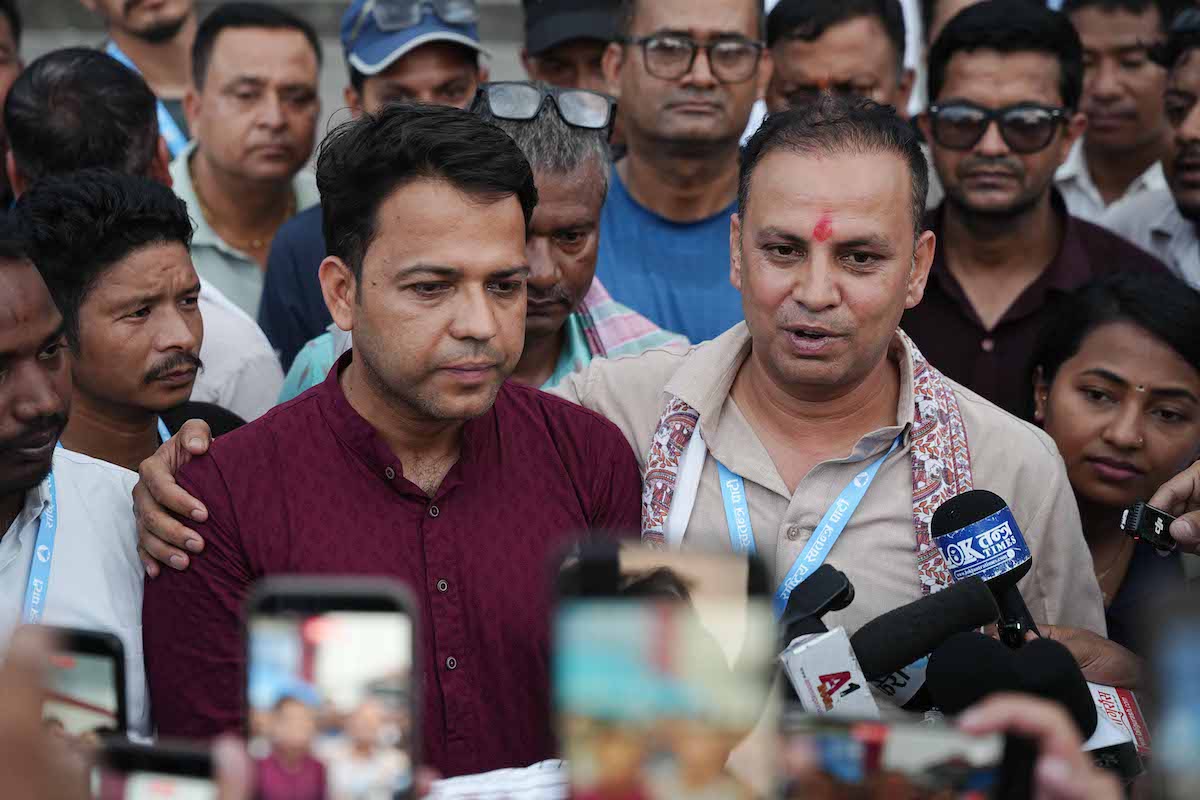
General secretary candidate Manish Jha also criticised what he described as immature political practices, questioning why candidates withdrew immediately after receiving calls from senior leaders. After losing the election, however, Jha accepted the result, congratulated Acharya and said his campaign had been an effort to discourage factional and patronage politics within the party.
Burlakoti defended his withdrawal, saying he stepped aside in the party’s broader interest and to promote unity.
Questions also emerged over participation. Although party leaders claimed around 4,311 delegates attended the convention, only 2,959 voted in the Central Committee election. That number dropped sharply to just 1,289 in the office bearers’ election. Nearly 70 percent of delegates, including Lamichhane and senior leader Balen Shah, did not cast ballots.

Login to add a comment