







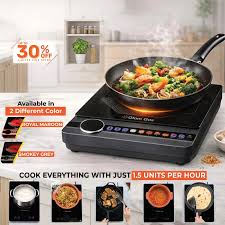
Kathmandu, May 17: The government has unveiled the Energy Consumption Growth and Export Strategy, 2083, with a plan to abolish subsidies on cooking LPG gas by fiscal year 2092/93 and instead provide subsidies for electric stoves.
The Ministry for Energy, Water Resources and Irrigation prepared the strategy and made it public for feedback from the general public. The strategy aims to gradually reduce and minimize the use of cooking LPG gas. The ministry clarified that the strategy has been introduced with the goal of subsidizing electric stoves and increasing the consumption of clean energy.
According to the Department of Customs, Nepal imported cooking gas worth Rs 41.65 billion in the first nine months of the current fiscal year. During the same period, a total of 4.1 million metric tons of gas was imported.
In fiscal year 2081/82, Nepal imported cooking gas worth Rs 62.58 billion, totaling 5.5 million metric tons. Similarly, in fiscal year 2080/81, gas imports amounted to Rs 55 billion.
According to the Nepal Oil Corporation, Nepal currently imports around 48,000 metric tons of LPG per month. Based on the corporation’s latest figures, it incurs a loss of Rs 331.25 per cylinder. At present, the corporation sells each gas cylinder for Rs 2,160.
A large portion of remittance income is spent annually on importing cooking gas. To save this outflow of money and retain it within the country, the Energy Ministry formulated the Energy Consumption Growth and Export Strategy, 2083. The Ministry of Industry has been designated as the responsible agency for implementing the plan. The Ministry of Finance and the Energy Ministry will coordinate to complete the target by fiscal year 2092/93.
The Nepal Electricity Authority (NEA) had already launched a campaign promoting the use of electric cooking stoves, and local governments have also been advancing this initiative effectively.
The strategy notes that promoting electric stoves will benefit both public health and the country’s economic health.
To encourage wider adoption of electric stoves, the NEA has been upgrading transmission line capacity, transformers, and modernizing the transmission network. The Energy Ministry has also introduced additional specialized programs to support this effort.
Minister for Energy, Water Resources and Irrigation, Biraj Bhakta Shrestha, had earlier instructed subordinate agencies to make the Energy Consumption Growth and Export Strategy, 2083 more objective and scientific.
According to the ministry, Nepal’s total installed electricity generation capacity has now reached 4,296 megawatts. By the end of the current fiscal year, electricity generation is expected to reach 4,500 megawatts. Per capita electricity consumption has reached 450 kilowatts.
With electricity exports totaling 2,918 gigawatts, the government is now focusing on increasing domestic electricity consumption by promoting electric stoves.
The government has also adopted a policy to promote charging stations at petrol pumps and encourage the use of electric vehicles, including public transportation. To support this, a nationwide expansion of charging stations has been proposed.
Both the Nepal Electricity Authority and the private sector will be mobilized under this plan. The NEA will coordinate the implementation, while other necessary arrangements will be managed by the Ministry of Physical Infrastructure and the Ministry of Industry, Commerce and Supplies.
People’s news Monitoring Service.

Login to add a comment