







Kathmandu, May 1: The government has softened its stance on enforcing the mandatory maximum retail price (MRP) system for imported goods after strong resistance from traders, who even halted customs clearance in protest.
Under the revised arrangement, importers will now be allowed to declare MRP themselves at the time of customs clearance. They must, however, provide a written commitment that the stated price will be printed on the products before they enter the market.
Customs officials said strict enforcement proved difficult, particularly for items such as raw industrial materials, machinery, tools, and perishable goods like fruits and vegetables. Citing these operational challenges, the Department of Customs informed the Ministry of Industry, Commerce and Supplies, recommending a more flexible approach.
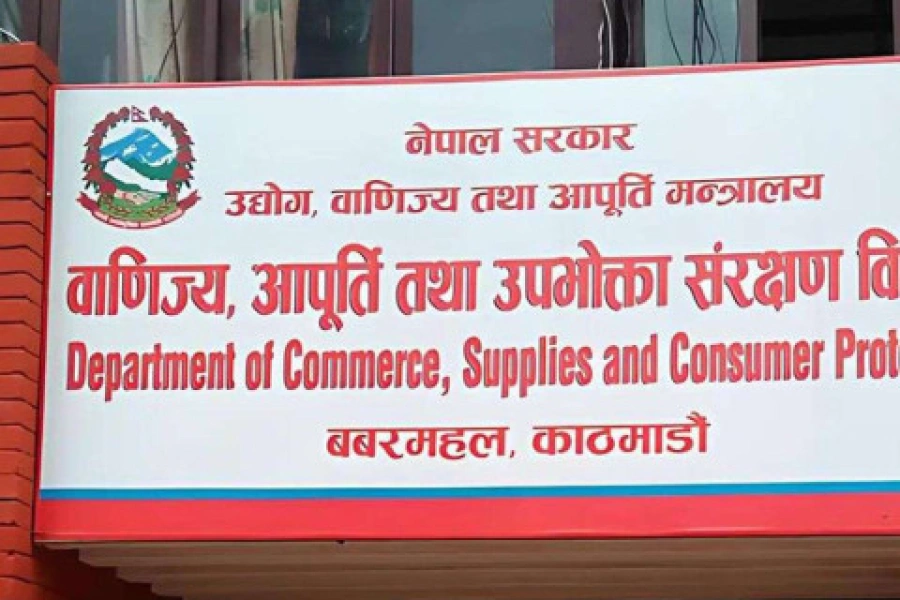
The move comes just weeks after the government reinstated the MRP requirement on April 14, marking its second attempt within a year to implement the rule more strictly. The Department of Commerce, Supplies and Consumer Protection had given importers a 15-day deadline to comply.
The decision triggered immediate backlash from the private sector. Importers refused customs clearance for two days, disrupting operations. Business leaders, including representatives from the Birgunj Chamber of Commerce and Industry, criticized the government for introducing the rule without consultation, saying it created avoidable confusion and delays at customs points.
Although the MRP system has been in place for years, enforcement has remained weak. Various directives have required manufacturers and importers to label products with maximum retail price, batch number, manufacturer details, and expiry date, but monitoring has been inconsistent.
A 2012 government notice made price labeling compulsory for dozens of essential goods, including food items, cement, and iron rods. The Consumer Protection Act, 2018 also reinforced MRP labeling to improve transparency and protect consumers.
Despite these legal provisions, compliance has been uneven. Consumers continue to face rising prices and doubts over product quality, while traders often operate with limited oversight. Recent spikes in essential commodity prices have been partly attributed by traders to increased fuel costs.
Officials from the Department of Commerce argue that proper implementation of MRP rules is essential to control malpractice, stabilize prices, and improve transparency in the market.
People’s News Monitoring Service

Login to add a comment