








By Shanta Kumar Shrestha
The inclining landscape makes road construction a grueling, multi-generational battle against gravity. Hence, aviation has long been hailed as Nepal’s sixth sense. It is the invisible thread that stitches remote mountain to the bustling markets of Kathmandu. Although billions of rupees are poured into asphalt and air traffic control towers, a cynical pattern has emerged. Nepal’s aviation map is increasingly becoming a graveyard of political vanity projects.
For a landlocked nation, the sky is the only border that doesn’t require a transit treaty. Aviation contributes approximately 4% to the national GDP, serving as the primary gateway for the nearly one million tourists who fuel our hospitality sector. The Civil Aviation Authority of Nepal (CAAN) faces a sobering reality. Out of the 50+ airports scattered across the country, less than half are consistently operational. While Tribhuvan International Airport groans under the weight of over-saturation, other facilities stand as silent monuments to administrative oversight.
The recent operations of the Gautam Buddha International Airport and Pokhara Regional International Airport were framed as milestones of national pride. Yet, months into their operation, the runways remain largely empty of the international wide-body jets they were built to host.
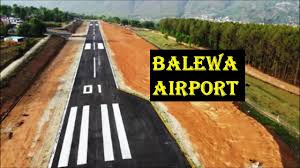
In contrast, many smaller domestic airports such as Ilam, Baglung, Suketar, etc. remain underutilized or completely non-operational. These projects often lacked proper feasibility studies and now stand as symbols of wasted investment, with some even turning into grazing fields. The expansion of road networks has further reduced the demand for air travel in certain regions, making it difficult for these airports to sustain operations. The phenomenon of the “political stunt” airport is most visible in the domestic Short Take-Off and Landing (STOL) airports. Over the decades, influential leaders have funneled budget allocations to build airstrips in their home districts, often ignoring technical feasibility. When a seasonal road finally reaches a mountain village, the local airstrip which are often under-equipped and plagued by weather cancellations, they quickly become redundant. These ghost airports continue to drain the national treasury for maintenance and security, serving no functional purpose in the social and economic system of the region. While the functioning airports have boosted tourism, created jobs, and facilitated imports and exports, the non-operational ones highlight how infrastructure projects driven by politics can burden the economy. An airport is a system, not just a strip of blacktop. When we build an international hub without securing bilateral air routes or ensuring competitive ground handling fees, we aren’t building infrastructure; we are building a political billboard
Rather than political motives, future investments must be guided by demand analysis, regional connectivity needs, and integration with other transport systems. Aviation sector must move from stunt to sustainability. High altitude entry routes via India must be secured for the survival of the new international hubs. Not every district needs an airport. The resources should be diverted toward upgrading a few regional hubs into all-weather facilities rather than maintaining dozens of defunct strips. The only way to restore global confidence and invite international carriers to explore our new runways is by removing Nepal from the EU air safety blacklist.
Nepal stands at a crossroads. We can continue to build monuments to political ego, or we can transform our airspace into a genuine corridor for sovereign growth. Until then, the millions spent on underused runways remain a high price to pay for a view that rarely includes a landing plane.

Login to add a comment