








By Our Reporter
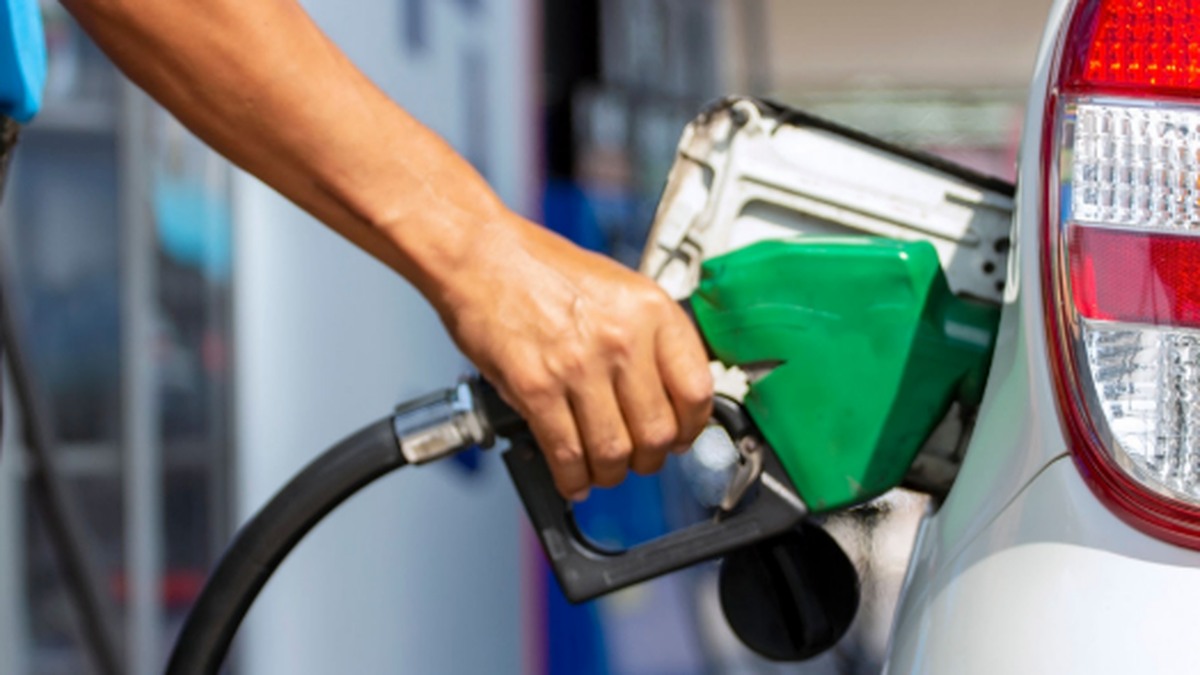
Fuel prices are quietly becoming one of the strongest forces shaping Nepal’s economic direction. What looks like a sectoral issue has now spread across transport, agriculture, industry, and household spending, creating a broad slowdown in activity while pushing prices higher for everyday goods.
The trend is clear when looking at recent data. Petrol, which cost around Rs 159 per litre on 1 January 2026, has climbed to nearly Rs 202 per litre. This steady increase has not remained confined to fuel pumps. It has moved through the economy in layers, raising transport costs, increasing production expenses, and eventually feeding into retail inflation.
Transport is the first channel of impact. Both public and private transport operators face rising operating costs, especially due to diesel and petrol price increases. That cost does not stay within the sector. It is passed on to goods movement, which then raises prices of food, construction materials, and daily essentials. Liquefied petroleum gas and other household fuels have also become more expensive, adding pressure to household budgets.
International agencies have already reflected this pressure in their economic forecasts. The World Bank, the Asian Development Bank (ADB), and the International Monetary Fund (IMF) have all revised Nepal’s growth projections downward for the current fiscal year. Their assessments point to a mix of global fuel shocks, geopolitical tensions, and domestic uncertainty.
The IMF has reduced Nepal’s growth forecast by around 2.2 percentage points, placing it near 3 percent. It links the slowdown to global conflicts, particularly tensions in the Middle East involving Iran and the United States, along with domestic political disruptions. The IMF also highlights how such shocks increase fertilizer costs, reduce farm incomes, and push food prices higher.
The World Bank is even more cautious, projecting growth at around 2.3 percent. Its April 2026 update highlights weak agricultural output, external shocks from Middle East conflicts, and domestic instability. It also notes that services, especially tourism and transport, are likely to suffer the most.
The ADB projects growth at 2.7 percent and echoes similar concerns. It identifies fuel price increases as a key factor affecting tourism, remittances, and investment sentiment. Across all three institutions, the message is consistent: Nepal’s growth outlook is weakening under combined global and domestic pressure.
The impact is visible across sectors. In agriculture, higher fuel and fertilizer costs reduce farmers’ margins and discourage investment. In industry, increased energy and logistics costs reduce competitiveness. In services, tourism and hospitality are under pressure from both higher costs and weaker demand.
Construction has been particularly affected. Contractors report rising prices for diesel, bitumen, cement, steel rods, and other inputs. In some cases, supply constraints are also emerging. The Nepal Contractors’ Association has warned that ongoing projects are facing financial strain and delays, and has called for reforms in procurement rules and timely price adjustments linked to inflation.
Tourism, a key source of foreign exchange, is also feeling the impact. Data from March 2026 shows a decline in arrivals compared to the previous year. Tourist numbers from the United States fell by over 28 percent, while arrivals from the United Kingdom dropped nearly 20 percent. Overall European arrivals also declined. Industry officials link this partly to global instability and rising travel costs, especially in fuel-dependent aviation routes.
The aviation sector itself is under pressure. Higher aviation fuel costs have led to increased ticket prices on both domestic and international routes. Some domestic fares have crossed Rs 23,000 on certain routes. Airlines report that demand has softened as travel becomes more expensive.
Transport operators face a similar situation. Despite recent fare adjustments, repeated fuel price increases have disrupted cost structures again. Transport associations argue that without a more predictable pricing system or relief measures, public transport operations will remain financially strained.
At the household level, the impact is most direct. Food prices have increased, cooking gas has become more expensive, and daily transport costs have risen. Consumer rights groups point out that inflation is now being driven not just by market forces but also by weak regulatory oversight. They also note that price increases are passed on quickly, while reductions in global fuel prices do not always translate into lower domestic prices at the same pace.
This is where policy action becomes important. Nepal can draw lessons from countries like India and others that have used a combination of tax adjustments, subsidy mechanisms, and strategic reserves to stabilize fuel prices during periods of global volatility. While Nepal operates under different fiscal constraints, there is still room to explore targeted tax relief, improved procurement efficiency, and better use of state-owned fuel pricing tools to reduce volatility for consumers.
At present, the burden of high fuel prices is spread unevenly but ultimately lands on consumers. The challenge for policymakers is not only to manage imports and pricing mechanisms but also to protect economic stability. Without intervention, sustained fuel inflation risks slowing growth further while increasing pressure on households already facing rising living costs.
The broader lesson is simple. Fuel pricing is no longer just an energy issue. It is now central to economic stability, growth performance, and public welfare.

Login to add a comment