







By Shanta Kumar Shrestha
The country’s landlocked position has long been a barrier to economic expansion. The geography historically limits its access to global trade routes being nestled between two economic giants, India and China. Without direct sea access, Nepal’s economy has long depended on overland transport, which is often slow, costly, and vulnerable to geopolitical shifts. Our economic pulse has often been subject to the whims of terrestrial borders and the high costs of transborder surface transit. As we navigate the complexities of 2026, the skyrocketing fuel prices and geopolitical tensions affects our traditional trade routes. A new consensus is emerging among economists and tech leaders. Nepal is not landlocked; it is sky-linked. The solution lies not on the ground, but in the skies. Experts argue that the nation’s future prosperity will depend on two critical investments, air transport infrastructure and knowledge-based exports.
Air transport is no longer a luxury. It is a necessity. Airports are more than gateways for tourism. They are lifelines for trade. Expanding and modernizing airports across Nepal would allow the country to bypass logistical bottlenecks and connect directly with global markets. Improved air cargo facilities would allow faster movement of goods, regional airports could boost domestic connectivity and decentralize development, while international hubs could transform Nepal into a competitive player in global trade.
Nepal must also rethink what it exports. The traditional model of exporting heavy, low value physical goods via sea ports thousands of miles away is becoming an economic relic. High freight costs and transit delays eat into the margins of Nepali tea, carpets, and handicrafts. They face limitations in scale and competitiveness. To build a resilient economy, we must treat our airspace as our primary national highway. Recent data shows that while Tribhuvan International Airport (TIA) has surpassed its 8 million passenger capacity, the underutilization of international hubs in Pokhara and Bhairahawa remains a missed opportunity. To unlock our potential, the government must not only expand TIA but also incentivize international airlines to turn our regional airports into bustling nodes of commerce. If air transport is the vessel, then Intelligence must be the cargo. Instead of focusing on bulk exports, economists suggest Nepal should pivot toward skill-based industries. With the rise of artificial intelligence and digital technologies, Nepal has an opportunity to export talent, innovation, and services rather than raw materials. The investment in education, digital infrastructure, and AI-driven industries, could position itself as a hub for knowledge exports. They would provide software solutions, AI models, and skilled professionals to the global market. The 2026 economic landscape suggests that Nepal’s competitive advantage lies not in the mass production of physical commodities, but in the export of invisible goods, skills and AI Technology.
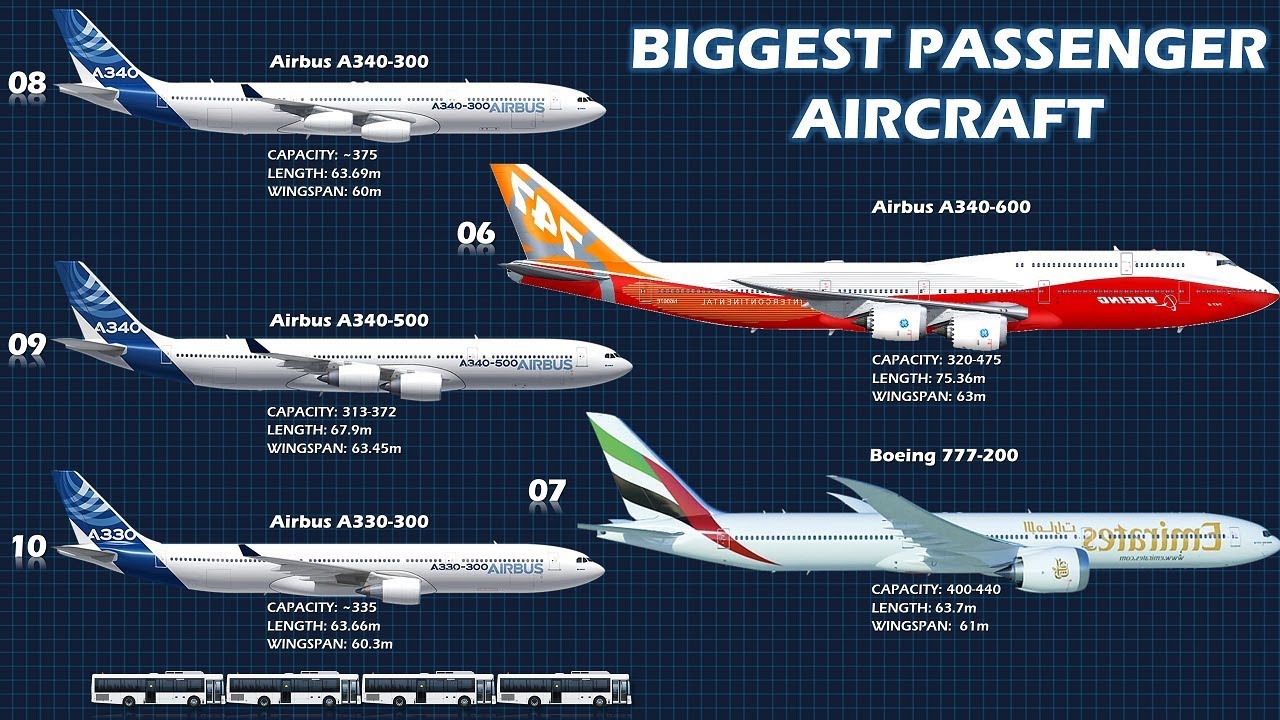
This dual strategy about building airports and building skills offers Nepal a path to sustainable prosperity. Rather than being constrained by its landlocked geography, the country could leverage the skies and the digital cloud to unlock new opportunities. Nepal can finally transform its “landlocked” curse into a “land-linked” blessing. The sky, quite literally is the limit. Air transport will directly connect the country to the world, while AI and technology exports will ensure it has something valuable to offer once connected. Aircraft manufacturers are focusing on producing larger aircraft to directly connect long-distance destinations, as well as specialized cargo planes, in view of lower transportation costs and the possibility of faster delivery. Therefore, Nepal must plan to construct airports with multiple runways capable of accommodating the world’s largest aircraft.
Nepal’s future does not lie in the weight of its exports but in the intelligence of its people. Nepal doesn’t need ships to sail into the future; it needs planes and code.

Login to add a comment