







By Nirmal P. Acharya
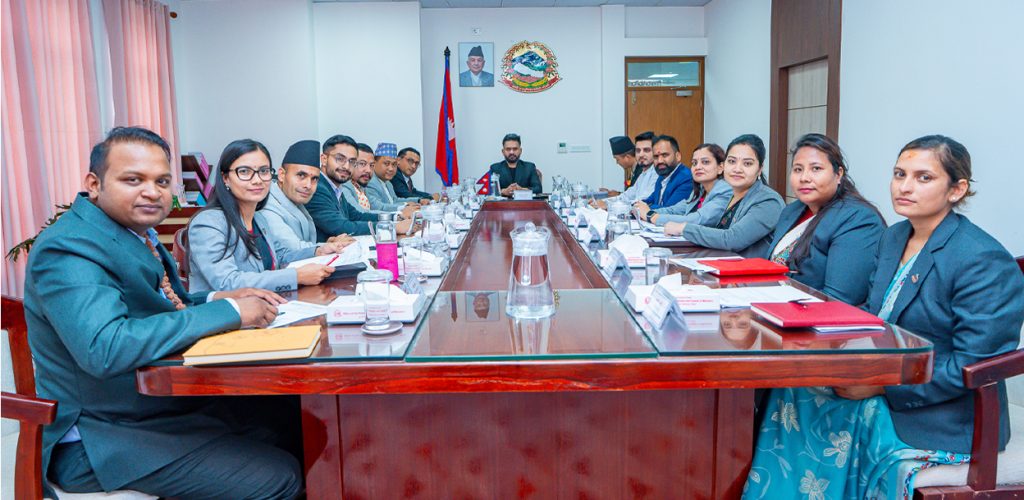
While Nepal continues to grapple with deep economic hardship as one of the poorest countries in South Asia, its newly formed cabinet under Prime Minister Balen Shah has revealed significant personal wealth through mandatory asset disclosures, raising pointed questions about the gulf between ruling elites and ordinary citizens.
In a public statement issued yesterday, Prime Minister Balen Shah (also referred to as PM Balen Sah) and his wife Sabina declared ownership of 190 tolas (2,216.12 grams) of gold. At today’s prevailing Nepali market price of approximately NPR 297,100 per tola, this holding alone is valued at NPR 56.449 million (roughly USD 377,719).
The disclosure, part of required transparency measures for senior officials, also includes notable land holdings that exceed statutory limits. Under Nepali law, such excess land automatically triggers scrutiny under anti-money laundering provisions, prompting regulators to examine the origin and legitimacy of the assets.
Stark Economic Contrast
Nepal’s broader economic reality paints a far different picture. With a GDP per capita of around USD 1,180–1,550 (depending on the measurement and recent projections for 2025–2026), the country ranks among the poorest in South Asia and Asia overall. Poverty affects roughly 20% of the population by national standards, with multidimensional poverty touching over 20% and rural areas facing even higher rates. Many Nepalis rely heavily on remittances from abroad, while challenges like uneven growth, youth unemployment, and vulnerability to external shocks keep average household incomes modest.
Against this backdrop, the cabinet’s collective asset declarations; including substantial gold reserves, bank balances in the millions, land, shares, and other investments across multiple ministers, highlight a leadership that appears markedly wealthier than the citizens it serves. The Prime Minister’s own gold declaration, listed under his wife, represents wealth equivalent to many decades of average Nepali earnings.
This disparity underscores a persistent tension in Nepal: a nation striving for development and recently on track for Least Developed Country graduation in late 2026, yet marked by significant inequality where elite holdings stand in sharp relief to widespread economic struggles. While the middle class has grown modestly in urban areas, the gap between top officials and the broader population, including both lower-income groups and the struggling middle, remains evident in such public filings.
These figures reflect only the declared gold and exclude other assets, liabilities, or the full cabinet’s disclosures, which have similarly shown considerable holdings in property, deposits, and investments.
Asset declarations are designed to foster accountability and combat corruption. However, when reported holdings, particularly land beyond legal ceilings, raise flags under money laundering statutes, they invite formal review to verify that wealth is not derived from illicit sources.
The Prime Minister’s office has not issued additional comments on the implications at the time of reporting. The revelations have ignited public debate in political and media circles about governance, equity, and the responsibilities of leadership in a resource-constrained nation.
As authorities assess the excess land component and the broader declarations, this episode spotlights the challenges of bridging the divide between Nepal’s ambitious reform goals and the lived realities of its people, where cabinet wealth stands out against a backdrop of national poverty. Further developments are expected as the process unfolds.

Login to add a comment