








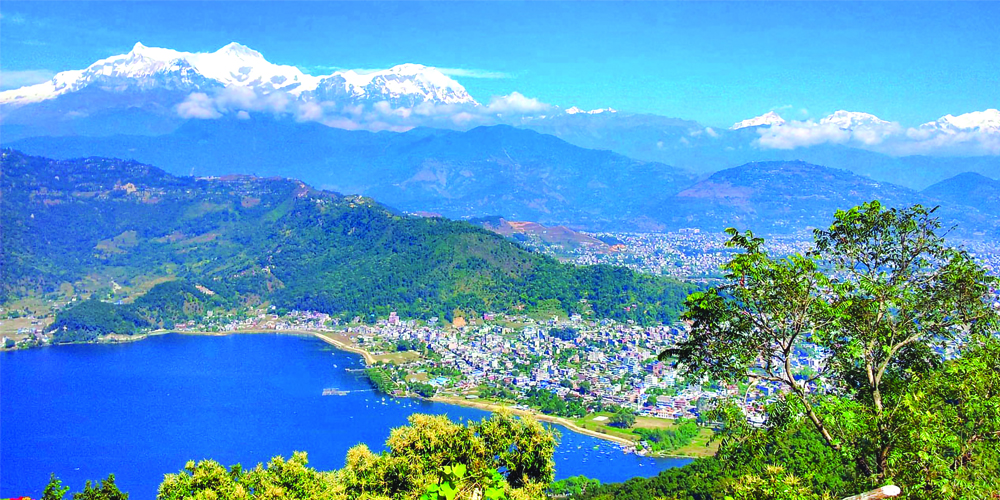
Pokhara, March 18: Just when Nepal’s tourism industry should be cashing in on its busiest months, it finds itself stuck in a mess it didn’t ask for. The spring season, usually packed with trekkers and adventure seekers who book months ahead, has opened with weak arrivals and growing anxiety.
Tourism entrepreneurs say the ongoing tensions in the Middle East have thrown travel plans off course. Flights have been disrupted, routes altered, and some tourists have been stranded mid-journey. Others have simply canceled or delayed their trips. The result is painfully visible in Pokhara, where hotels expected full rooms but are now dealing with a wave of cancellations.
Even those who have managed to arrive are not staying long. Many are cutting trips short and heading back early, unsure about travel conditions. Hoteliers say bookings that once looked secure are now disappearing almost overnight.
Ganesh Bahadur Bhattarai, a tourism operator, says the sector is struggling on two fronts. Visitor numbers are far below expectations, and uncertainty in travel has made matters worse. Dorje Lama, another entrepreneur, adds that if tourists do not come now, the damage could stretch for months. He warns that the industry may feel the impact for at least five months.
As if fewer tourists were not enough, a possible fuel shortage is adding to the anxiety. While the full effect has not yet reached the tourism sector, business owners say the signs are already there. Some fear a repeat of the 2015 blockade, when fuel scarcity crippled movement and business activity.
Naresh Bhattarai points out that the sector is being squeezed from both sides, declining arrivals and supply worries. Former Pokhara Tourism Council chair Gopi Bahadur Bhattarai shares similar concerns, saying this is supposed to be the peak season for adventure tourism, yet numbers remain disappointing.
The situation is already visible in hotel occupancy. According to Hari Sharma, president of Hotel Association Gandaki, hotels should be running at 70 to 80 percent capacity. Instead, they are hovering around 30 percent.
For an industry that depends on timing, this could not have come at a worse moment.
People’s News Monitoring Service

Login to add a comment