







By Our Reporter
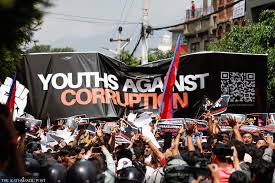
The March 5 election would not have happened if the Gen Z protests of September 8 and 9, 2025 had not shaken the system. The House elected in November 2022 still had time left. The street changed that timeline. Now, as parties seek votes, they also have to explain how they see the very movement that forced this reset. Each of the four major parties reads the Gen Z uprising through its own political lens. Their manifestos say less about the protesters and more about their own anxieties, interests, and calculations.
The CPN UML, led by KP Sharma Oli, takes the most defensive and expansive approach. Oli was prime minister when the protests erupted. His manifesto message calls the events unimaginable. He raises pointed questions: was it spontaneous, or a planned conspiracy? Were infiltrators preparing the ground for wider destruction? He goes further, describing the September 9 violence as a deliberate attack on Nepal’s sovereignty and existence. This framing serves a purpose. UML governed when the crisis unfolded. By shifting the narrative toward conspiracy and infiltration, it attempts to move blame away from governance failure and toward shadowy forces. It casts the party as a defender of the state under siege. The section titled “UML Will Build” links the destruction to a promise of national reconstruction. The message is clear: chaos came from elsewhere, stability will come from us.
The Nepali Communist Party chooses a different route. It gives the movement limited space in its manifesto. It briefly links new and populist forces to the destruction of September 9 but does not dig deeper. That restraint may be strategic. The party appears unwilling to inflame debate or tie itself too tightly to a controversial episode. By keeping the focus elsewhere, it avoids being dragged into a polarized narrative. Silence, in this case, becomes a cautious political choice.
The Nepali Congress frames the movement primarily through the lens of human rights and accountability. Its manifesto stresses the need for a prompt and impartial investigation into deaths, violence, and alleged rights violations. It pledges to bring those responsible to justice and ensure justice for victims. This position allows Congress to occupy moral ground. Instead of labeling the movement as conspiracy or ignoring it, the party emphasizes due process. It signals concern for victims and rule of law. At the same time, it avoids directly endorsing the protests. It neither glorifies nor demonizes them. It demands investigation. That stance appeals to voters who seek institutional response over emotional reaction.
The Rastriya Swatantra Party takes a more procedural line. It commits to implementing the recommendations of the commission formed to investigate the events. This reflects its broader image as a party that favors reform through systems rather than rhetoric. By focusing on commission recommendations, it positions itself as pragmatic. It implies that facts should guide action. These varied interpretations reflect deeper political realities.
The Gen Z movement challenged established leadership, exposed public frustration, and disrupted the political calendar. For ruling forces at the time, it was a threat to authority. For opposition actors, it was a moment to demand accountability. For newer parties, it was proof that public anger exists and can translate into political opportunity.
The movement forced this election. Now it shapes campaign narratives. Some parties see it as an attack on the state. Others see it as a failure of governance. Still others treat it as a call for reform. Voters will have to decide which reading feels closest to truth. In the end, how parties interpret the Gen Z movement reveals how they understand power, protest, and public trust. That choice will matter as much as any promise printed in a manifesto.

Login to add a comment