







Kathmandu, September 5: A task force formed by the Kathmandu chapter of the Federation of Nepali Journalists (FNJ) to make recommendations on saving print media has proposed launching a phased protest to force the government to withdraw its decision to cut funding for public welfare advertisements.
The task force has proposed that the FNJ immediately hold talks with the government and leaders of political parties and, if the demands are not addressed within a week, begin physical protests.
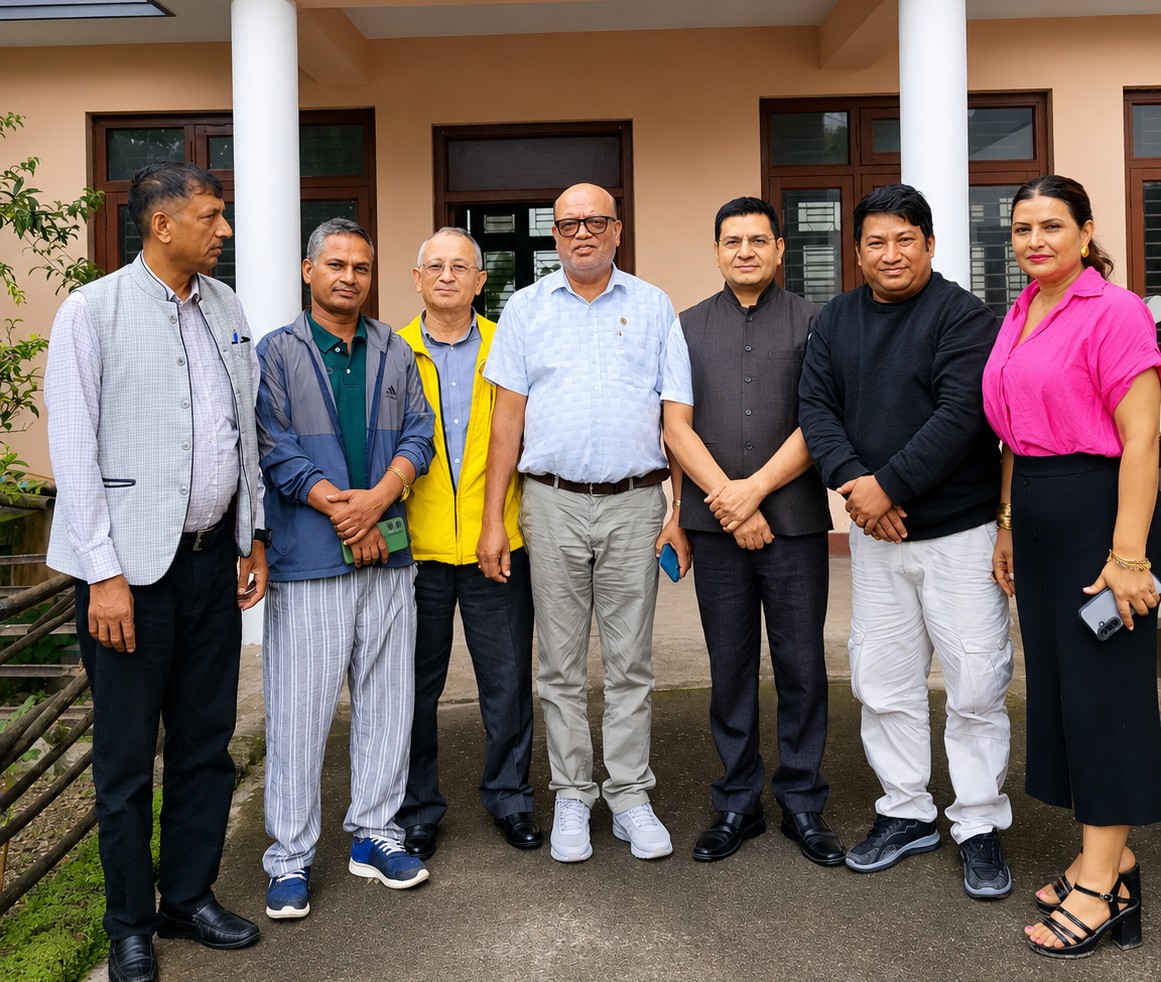
A meeting of the task force held on Saturday morning selected Damodar Prasad Dawadi as its coordinator, submitted seven recommendations to the FNJ. The task force also decided to ask the FNJ Central Committee to urge print media outlets across the country not to submit bills for public welfare advertisements based on the reduced amounts under the revised procedures to the Advertising Board or the concerned post offices.
The task force concluded that discrimination in the distribution of government advertisements, cuts in funding for public welfare advertisements, and the significant reduction in bulletin subscription fees charged by the National News Agency (RSS) must be corrected immediately.
To this end, it decided to meet with the Ministry of Communication and Information Technology, other concerned government agencies, and political party leaders and exert pressure to resolve the problems.
The task force has proposed making efforts to resolve the issues through dialogue and consultation for one week and, if the demands are not addressed during that period, gradually escalating the protest.
The task force concluded that cuts in public welfare advertising funding have created additional challenges to the very survival of small and self-employed media outlets at a time when the financial crisis facing print media is deepening.
The task force emphasized that the protection of print media should not be viewed merely as a business issue for media organizations, but as an issue directly linked to press freedom and citizens’ right to information.
It said the government’s advertising policy must ensure equality and transparency and that media organizations must not be treated discriminatorily.
The Kathmandu chapter of the Federation of Nepali Journalists had formed the task force following a consultation and discussion with editors and publishers of print media held on Bhadra 19.
The task force was formed under the coordination of Dawadi, with Dr. Keshav Devkota, Tank Karki, Hemraj Silwal, Mukti Bastola, Bishwaraj Kirat, Sita Pokharel, Nripendra Lal Shrestha, Dilliram Bhattarai, Padamraj Joshi, and Kalpana Khadka as members.
The task force has urged the government to immediately reconsider its decision and create an environment that protects print media from the crisis.
It has also recommended that if there is a delay in addressing the demands, pressure-oriented programs should be launched under the leadership of the Kathmandu chapter of the Federation of Nepali Journalists, with print media outlets across the country participating in the movement.

Login to add a comment