







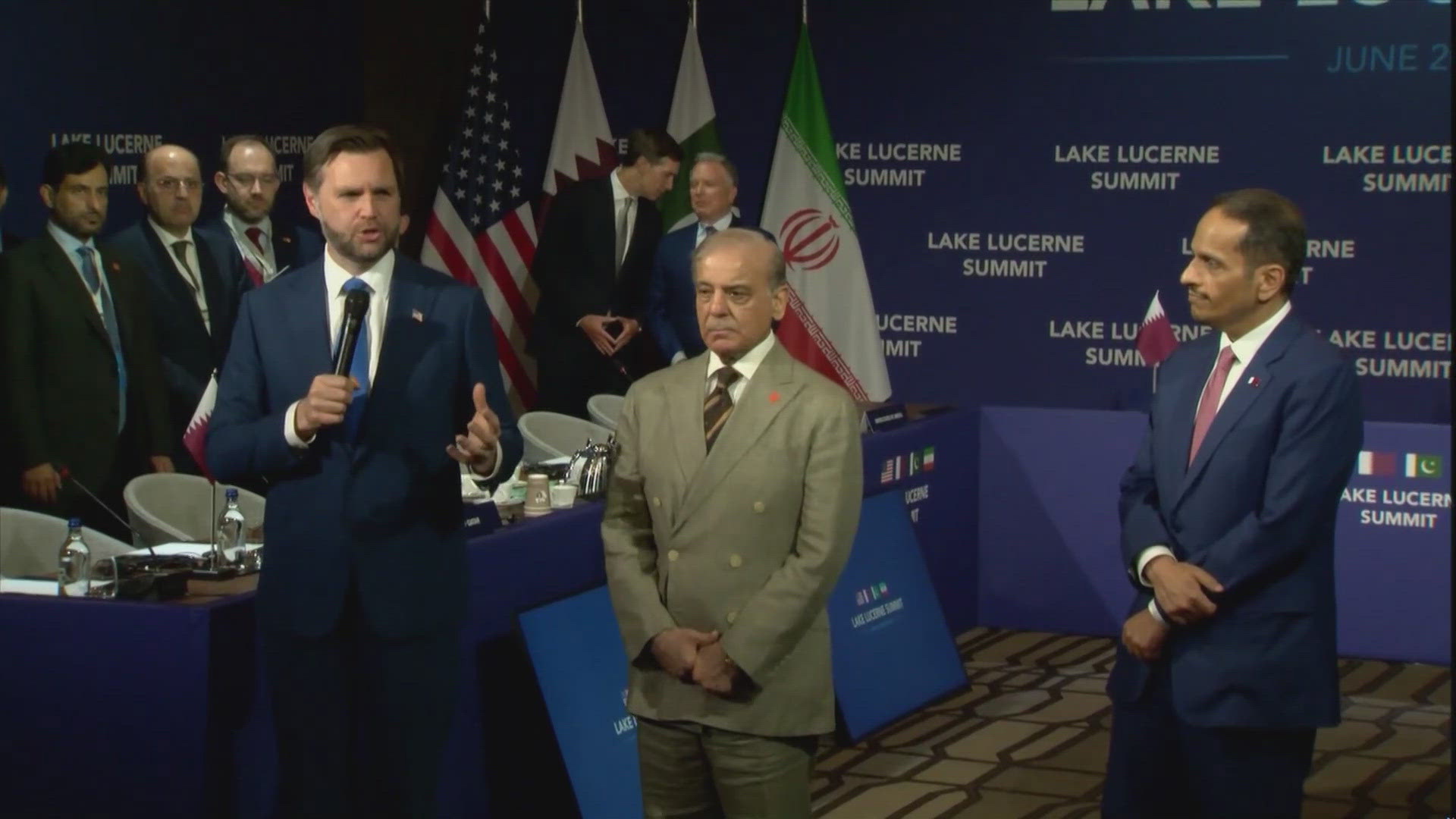
Washington/Tehran, June 22: The United States and Iran have agreed on a 60-day roadmap aimed at reaching a comprehensive agreement, marking the most significant diplomatic breakthrough between the two countries in years.
The understanding emerged from high-level talks held in Switzerland, where negotiators from both sides sought to build on a recently agreed ceasefire and reduce tensions that had threatened to destabilise the Middle East and disrupt global energy markets. Mediators from Qatar and Pakistan said the two sides committed to continued negotiations over the next two months to finalise a broader settlement.
The roadmap forms part of a wider interim framework known as the Islamabad Memorandum of Understanding. Under the arrangement, Washington and Tehran have pledged to negotiate a final accord within 60 days, with the option of extending the timeline through mutual consent.
Several contentious issues remain on the table. Negotiators are expected to focus on Iran’s nuclear programme, sanctions relief, the release of frozen Iranian assets, maritime security in the Strait of Hormuz and broader regional stability. The talks are also expected to address mechanisms for monitoring compliance and implementing any final agreement.
The interim arrangement includes commitments to maintain a ceasefire, restore commercial shipping through the Strait of Hormuz and ease some economic restrictions on Iran while negotiations continue. Reports indicate that Washington has agreed to temporary waivers on certain oil sanctions and to facilitate access to portions of Iran’s frozen assets, while Tehran has committed to maintaining the current status of its nuclear activities during the negotiation period.
US Vice President JD Vance described the process as an opportunity to fundamentally reshape relations between the two countries if Iran provides credible long-term assurances regarding its nuclear ambitions. Iranian officials, meanwhile, have highlighted what they call major progress on sanctions, trade and economic issues.
Financial markets reacted positively to the diplomatic progress. Asian stocks advanced and oil prices eased as investors welcomed signs that the risk of a wider regional conflict could be diminishing.
Despite the optimism, analysts remain cautious. Decades of mistrust, disagreements over uranium enrichment and competing regional interests continue to pose significant obstacles. The next 60 days are expected to determine whether the current framework evolves into a durable agreement or joins a long list of failed attempts to resolve one of the world’s most persistent geopolitical disputes.
People’s News Monitoring Service

Login to add a comment