







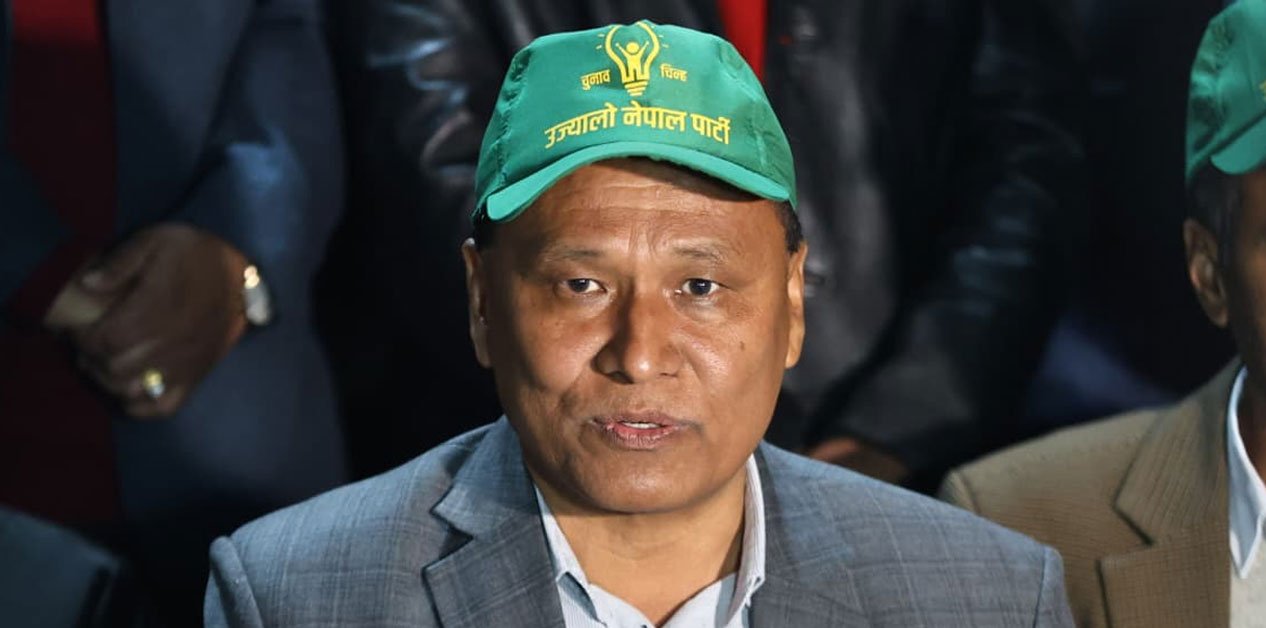
Kathmandu, June 1: Former Nepal Electricity Authority chief and chairman of the Ujyalo Nepal Party, Kulman Ghising, has criticized the government’s decision to impose a 5 percent VAT on electricity consumption above 50 units per month, calling it contrary to consumer interests, national energy goals and international practice.
In a social media post, Ghising said the government’s justification for the tax does not reflect the reality of Nepal’s power infrastructure or its long-term electrification objectives. He argued that imposing additional taxes at a time when the country needs to increase electricity consumption discourages consumers and undermines efforts to promote clean energy.
Ghising also rejected claims made by government leaders that widespread use of induction cookers could overload the power system and cause transformers or substations to fail.
Calling the argument technically unsound, he noted that Nepal has invested billions of rupees in strengthening its transmission and distribution network since the end of load-shedding. According to him, the country now operates substations with a combined capacity exceeding 14,000 MVA and distribution transformers with capacity above 5,000 MVA. He added that 132 kV, 220 kV and 400 kV transmission lines are already in operation, while additional infrastructure remains under construction.
Consumers are increasingly using induction stoves, water heaters, electric vehicles and charging stations, he said, arguing that electricity demand does not surge at a single location simultaneously. Any local technical issues can be addressed through existing mechanisms without threatening the entire system.
Ghising further questioned the rationale behind the tax, noting that the revenue collected will go directly to the state treasury rather than being used to improve electricity services or expand infrastructure.
If the government requires additional revenue, it should explain that transparently, he said, rather than citing infrastructure concerns to justify the tax. The new VAT, he warned, will increase electricity costs and reduce the possibility of future tariff relief for consumers.

Login to add a comment