








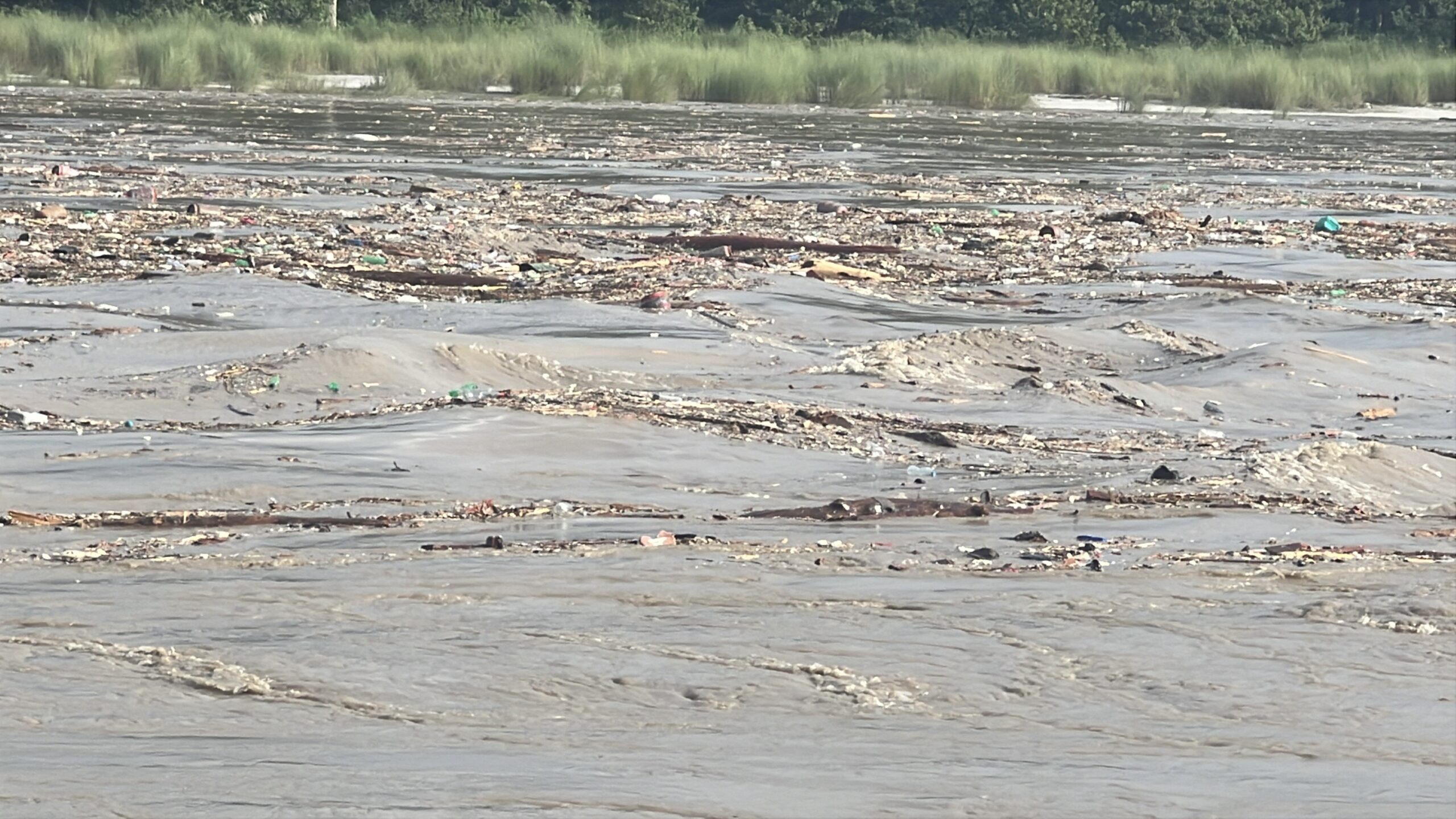
Kathmandu, October 25: As a first step toward climate justice, the Fund for Responding to Loss and Damage (FRLD) has set aside $20 million for Nepal. However, the sum is significantly less than what the nation needs to recover from the August 26 flash flood in Bhotekoshi. According to the estimates given, the accident resulted in at least 1,455 fatalities, approximately 7,000 injuries, and 5,285 unaccounted-for individuals. Families were uprooted and livelihoods were destroyed as it washed away villages, highways, bridges, and hydroelectric equipment. Nepal estimates that $4.78 billion would be needed for rehabilitation and rebuilding. Less than 0.5 percent of the sum is covered by the proposed allocation. The move is the first time the fund’s board has set aside funds for a nation in need of assistance for losses and damage caused by climate change. However, Nepal has not yet gotten the money. There is no predetermined deadline for payment, and the government must submit a plan for approval. The announcement provides little immediate assistance for towns cut off from vital services, farmers whose land has been devastated, and families who have lost their homes. The speed at which the funds are distributed to those impacted is now crucial. Nepal has a compelling argument for foreign assistance. Despite contributing less than 0.1% of the world’s greenhouse gas emissions, its mountain villages are increasingly under danger due to climate change. Rich nations that have made the biggest contributions to global warming have a bigger obligation to assist weaker countries in coping with its consequences.
After years of discussions at UN climate summits in 2022 and 2023, the loss and damage fund was created. Developing nations contended that reducing emissions and preparing for climate change would not be able to stop every calamity or make up for every loss. That gap was intended to be filled by the fund. However, only roughly $822 million has been committed by rich nations, and no funds had been distributed prior to the Nepal decision. That sum is far insufficient to address the demands of nations dealing with catastrophes that result in damage worth billions of dollars. Additional problems are raised by certain wealthy nations’ reluctance to create a precedent with Nepal’s allotment. The fund will fail the people it was intended to assist if nations have to get extraordinary political backing after each significant calamity. Instead than using diplomatic pressure, access to aid should be determined by fair and transparent standards. Nepal’s situation need to contribute to the development of a system that enables vulnerable nations to receive assistance in a timely and reliable manner.The kind of aid is just as important as its quantity. Finance Minister Dr Swarnim Wagle has questioned why Nepal has to borrow money to repair infrastructure that was harmed by natural catastrophes that it had no control over. At the UN General Assembly, Prime Minister Balen Shah voiced a similar worry. They have good reason to doubt the use of loans for this.
Support for flood victims must also be increased by international groups, development banks, and humanitarian organisations. Families need food, housing, and medical attention, while farmers and other impacted workers require assistance in regaining their means of subsistence. Rebuilding roads, bridges, and vital services is necessary. Additionally, Nepal must provide a compelling financial plan supported by validated damage estimates, distinct expenditure objectives, and open oversight. It should advocate for more fund contributions, grant-based financing, and a quick payout system at COP31 in Turkey. Early warning systems, catastrophe preparation, and climate-resilient infrastructure must be strengthened by the government. Nepal cannot make up for affluent nations’ inability to offer sufficient funding, but foreign assistance cannot take the place of home effort. The $20 million allotment is a beginning, not an end. The speed at which Nepal gets the funds, how well they reach the impacted population, and whether the fund is able to acquire sufficient resources to assist other vulnerable nations will all determine its worth. Climate justice cannot be based on sporadic compromises after natural calamities. Nepal needs prompt assistance supported by steady finance.

Login to add a comment