







By Our Reporter
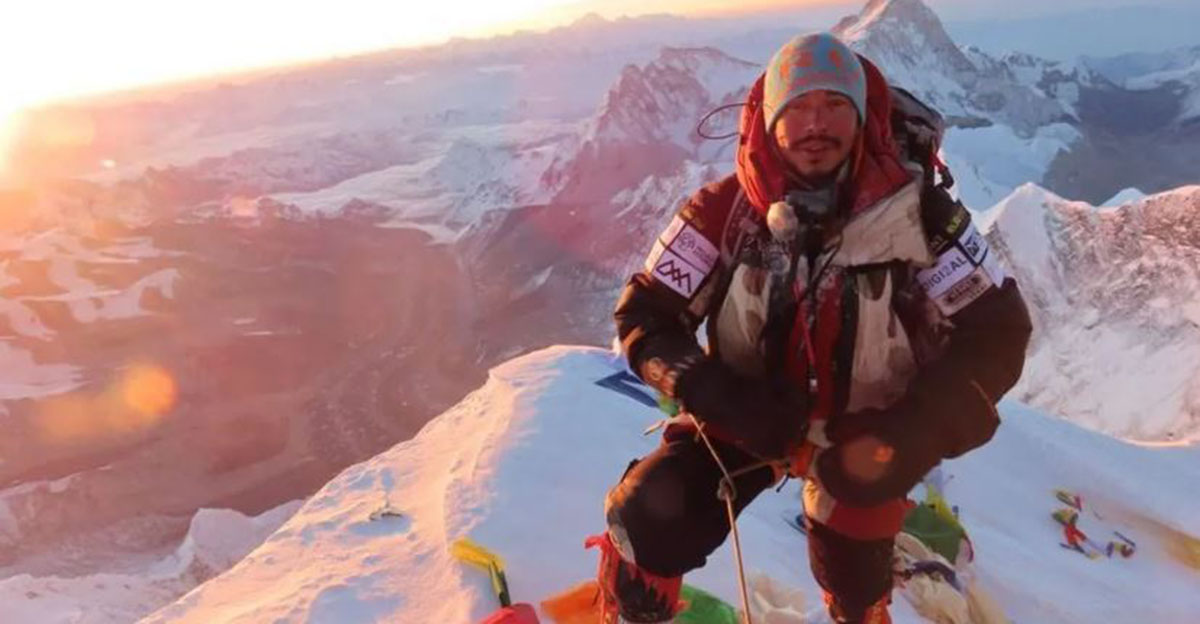
When Nirmal Purja, better known around the world as “Nims Dai,” stood atop the world’s highest peaks, he carried the ambitions of a nation that had long watched foreign climbers claim the spotlight while Nepali mountaineers quietly made their triumphs possible. His death at 43 in an avalanche on Pakistan’s Broad Peak is not merely the loss of an extraordinary climber. It is a painful reminder that in the mountains, experience, strength, and world records offer no guarantee of survival.
Purja’s career transformed modern mountaineering. A former British Gurkha and Special Boat Service soldier, he brought military discipline, unmatched endurance, and relentless determination to Himalayan climbing. His astonishing feat of climbing all 14 peaks above 8,000 meters in just six months and six days permanently changed what many believed was humanly possible. His leadership during the first winter ascent of K2 further cemented his place among the greatest mountaineers in history.
Yet the same mountains that crowned his achievements ultimately claimed his life. Prime Minister Balendra Shah captured that painful paradox in his tribute. He wrote that mountaineering is not simply about reaching a summit but about courage, discipline, sacrifice, and testing the limits of human endurance. Mountains, he noted, sometimes reward climbers with the glory of the summit, and sometimes embrace them forever. Purja’s physical journey has ended, Shah said, but his courage, dedication, and contribution will continue to inspire generations.
That tribute speaks to a larger truth. Great mountaineers never truly conquer mountains. They only earn permission to return safely. Purja now joins a growing list of celebrated Nepali climbers whose lives ended on the very peaks they mastered. Ang Rita Sherpa died after years of high-altitude exposure had damaged his health. Ueli Steck’s close Nepali climbing partners have perished on expeditions. Mingma David Sherpa narrowly survived several disasters, while many accomplished Sherpas, guides, and record holders have never returned home. Even those with decades of experience remain vulnerable because mountains never become predictable.
Avalanches, falling seracs, hidden crevasses, sudden storms, altitude sickness, and exhaustion do not distinguish between beginners and legends. Broad Peak itself is notorious for unstable snow conditions and avalanche prone slopes. Once nature shifts, even flawless judgment may not be enough.
Still, natural hazards tell only part of the story. Modern Himalayan climbing has changed dramatically over the past decade. Records are broken more frequently. Climbers race against time to complete multiple peaks in a single season. Commercial expeditions have expanded rapidly. Social media celebrates speed, firsts, and impossible achievements. Every successful ascent instantly becomes global news, encouraging others to pursue increasingly ambitious goals.
This culture carries hidden dangers. Elite climbers are often driven by an extraordinary mindset. They believe obstacles can be overcome through preparation, resilience, and determination. That mentality creates champions. It can also create a dangerous illusion that every risk can be managed.
Mountains do not reward confidence alone. They reward patience, restraint, and sometimes the willingness to turn back after months of preparation. Many fatal accidents occur not because climbers lack skill but because weather windows narrow, summit fever takes over, schedules become rigid, or financial and professional pressures discourage retreat. The hardest decision in mountaineering is often abandoning the summit.
That lesson deserves renewed attention. Nepal’s climbing community should view Purja’s death not only as a tragedy but also as an opportunity for reflection. Experience should never replace caution. Success on previous expeditions should never justify taking greater risks on future ones. Every expedition deserves a fresh assessment of avalanche forecasts, snowpack stability, weather patterns, rescue options, and team readiness. Turning around should never be seen as failure.
Expedition companies also carry enormous responsibility. Commercial competition should never pressure guides or clients into pushing through marginal conditions. Safety decisions must remain independent of reputation, sponsorship, or commercial expectations. Mountains will always remain. Human lives do not.
Technology can help, but it cannot eliminate danger. Better satellite forecasting, avalanche monitoring, communication systems, and rescue coordination have improved survival rates, yet none can control the forces of nature. Ultimately, judgment remains the most valuable piece of climbing equipment.
Purja’s greatest legacy extends beyond broken records. He changed how the world viewed Nepali climbers. He proved they were not merely support staff for foreign expeditions but world class athletes, leaders, and pioneers capable of redefining mountaineering itself. Through Elite Exped, he opened doors for countless young Nepali climbers and inspired a generation to dream bigger.
That legacy deserves preservation through wisdom as much as ambition. Young climbers should certainly dream of Everest, K2, Annapurna, and Broad Peak. But they should never confuse courage with invincibility. True courage sometimes means postponing an expedition, changing a route, or descending without reaching the summit.
Nirmal Purja showed the world that almost nothing is impossible. His final lesson may be even more important. No summit is worth treating lightly. Mountains demand humility from everyone, including the greatest among us. His remarkable life will inspire generations, but his untimely death should also remind every climber that returning home safely remains mountaineering’s greatest achievement.

Login to add a comment