







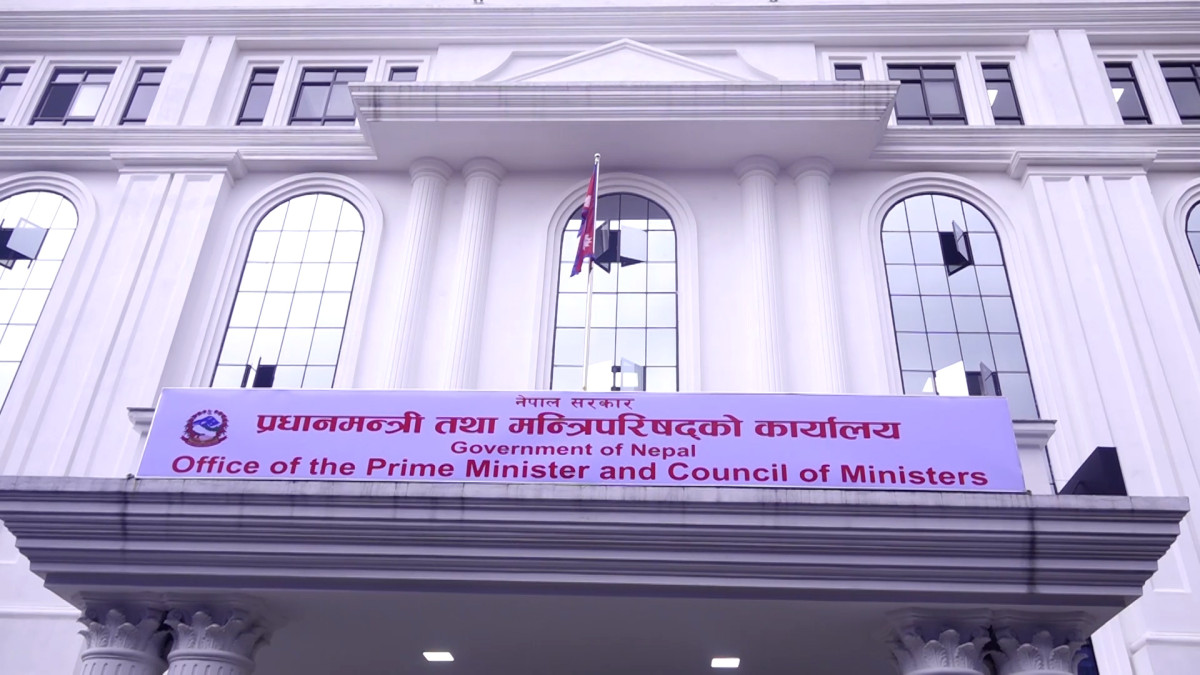
Kathmandu, July 26: Prime Minister Balendra Shah’s drive to reform Nepal’s bureaucracy has unsettled the civil service, with serving and former officials warning that growing mistrust, job insecurity and political interference are weakening the state’s administrative machinery.
The biggest concern is the proposed Civil Service Bill, which would require civil servants to retire at age 55 or after 30 years of service. Officials estimate the provision could force nearly 10,000 employees, including most secretaries, around 260 joint secretaries and more than 700 under-secretaries, out of service years before the current retirement age.
Many officials trace the strained relationship to Shah’s first meeting with government secretaries after taking office, when he accused bureaucrats of serving politicians instead of the public and warned them not to hide behind laws and regulations to avoid work. Several secretaries who attended the meeting said the remarks were viewed as a blanket criticism of the entire civil service and left little room for professional advice or legal safeguards.
Although the government has introduced performance-based incentives and modest salary increases, bureaucrats say those measures have been overshadowed by decisions that have damaged morale. Officials cite the dissolution of civil service unions, arrests of senior officials, the appointment of Chief Secretary Govinda Bahadur Karki by bypassing senior candidates and changes to official protocol as signs of a more confrontational approach.
The government’s rightsizing campaign has added to the anxiety. Ministries have been ordered to conduct Organisation and Management surveys aimed at reducing staff, with officials claiming several proposals to retain existing positions were rejected. They argue that workforce cuts contradict the government’s promise to deliver faster public services, including citizenship certificates and land ownership documents within minutes.
Another source of concern is what officials describe as the growing influence of the prime minister’s advisers and personal secretariat. Serving and former bureaucrats say advisers increasingly communicate directly with secretaries, make important decisions and intervene in matters traditionally handled through formal administrative channels.
Officials say this became particularly evident when Shah held the Home Ministry portfolio for seven weeks following the resignation of Sudan Gurung. During that period, ministry officials reportedly coordinated sensitive security matters mainly through the prime minister’s secretariat rather than directly with him.
Former secretary Gopinath Mainali said placing political advisers above the formal bureaucracy signals a lack of trust in the civil service and ultimately weakens governance.
Officials also point to a sharp rise in disciplinary action. The National Vigilance Centre recommended action against 6,682 officials in the final quarter of FY 2025/26, exceeding the total cases recorded during the entire previous fiscal year. Civil servants say accountability is necessary, but excessive emphasis on punishment has created a culture of fear where officials focus more on avoiding mistakes than solving problems.
People’s News Monitoring Service

Login to add a comment