







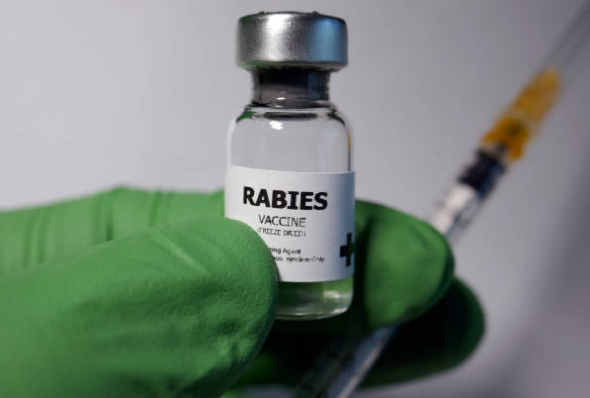
Kathmandu, June 24: Government health facilities across Nepal are currently facing a severe shortage of rabies and snakebite vaccines. The only public hospital with an available stock of rabies vaccines is the Shukraraj Tropical and Infectious Disease Hospital in Teku, Kathmandu.
According to DrBhakta Bahadur KC, Information Officer at the Ministry of Health and Food Hygiene, vaccine procurement tenders were called twice but were later cancelled. Delays in the procurement process have led to the current shortage.
“We had instructed hospitals outside the districts more than a month ago to procure and use vaccines on their own. The shortage resulted from delays in the procurement process,” he said.
However, it appears that the government has been unable to complete the vaccine procurement process following the “Gen Z” movement, resulting in shortages at public health facilities nationwide. The government typically purchases more than 300,000 rabies vaccine doses annually. Although a tender to procure around 500,000 vials of anti-rabies vaccine (ARV) reached its final stage, the supply process has yet to be completed.
“Vaccines could not be purchased because no bids were submitted during the tender process,” Dr KC said. “Global vaccine prices have increased due to ongoing conflicts around the world, making it difficult to procure them within the government’s approved budget.”
These vaccines have traditionally been provided free of charge through government health institutions. Rabies vaccines are administered after bites from animals such as dogs, cats, and monkeys.
As vaccine stocks disappeared outside Kathmandu, the number of patients seeking treatment at Shukraraj Hospital in Teku has risen sharply. Senior infectious disease specialist Dr. Sher Bahadur Pun said the shortage began as early as mid-April this year.
“The number of people coming here from outside the Kathmandu Valley because rabies vaccines are unavailable in their areas has been increasing. Patients are travelling even from distant districts, which has significantly increased the crowd at the hospital,” he said. “If these vaccines are not made available at local health centres, the number of deaths could rise.”
Doctors warn that rabies vaccines must be administered as quickly as possible after a bite from a rabid animal. Treatment is effective before symptoms appear, but survival chances become extremely low once symptoms develop.
The shortage also extends to anti-snake venom, particularly concerning during the summer season when snakebite cases increase. Patients are being forced to travel to Kathmandu because vaccines that should be readily available at government health centres are unavailable.
The ministry said the Department of Health Services currently has only 1,000 vials of anti-snake venom in stock.
While patient numbers continue to rise, anti-snake venom has been unavailable at most government health facilities for the past two months, except at Shukraraj Hospital.
According to data from the Epidemiology and Disease Control Division, more than 20 people are bitten by snakes every day in Nepal. Anti-snake venom treatment is essential for these patients, yet most provincial and district hospitals have no stock available.
On Sunday (June 21), the government imported 4,500 vials of anti-rabies vaccine. The ministry estimates that this stock will be sufficient for only one month at Shukraraj Hospital.
People’s News Monitoring Service

Login to add a comment