







By Nirmal P. Acharya
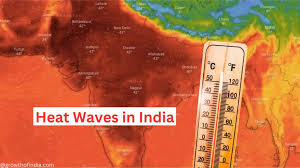
In the summer of 2026, India experienced extreme heat-waves (with temperatures reaching 45–55°C in many areas), triggering a surge in Indian tourists traveling to China for cooler weather. Direct flights between China and India were fully booked, and the share of Indian visitors in Chinese resort cities sharply increased, marking a new trend in cross-border tourism.
In Q1 2026, approximately 230,000 Indians entered China, a year-on-year increase of 320%. In April alone, 85,000 visas were issued, with annual arrivals expected to exceed 600,000. Flight conditions showed that direct flights from New Delhi to Kunming, Changchun, Jilin, and other destinations—taking about four hours—were nearly full, with ticket prices rising by 30% to 50% compared to regular days.
High temperatures have also led to a large number of Indians flocking to Nepal. According to the latest data released by the Nepalese tourism department on June 1, 2026, in May of the same year, there were 40,782 Indian tourists visiting Nepal.
This is not only the highest record for a single month, but also a significant increase of approximately 44.8% compared to the same period last year.
It is worth noting that due to the open border between the two countries, some Indian tourists entering by land may not have been fully counted. Therefore, the actual number of visitors is usually higher than the official reported number of arrivals.
Extremely high temperatures will inevitably turn into a “survival crisis”.
Deadly threat: Research estimates that a single day of extreme high temperatures could result in approximately 3,400 additional deaths, and if it lasts for five days, it could increase to nearly 30,000. The low penetration rate of air conditioners and frequent power outages leave the lower-class population without means to cool off. Economic collapse: About 75% of the workforce is engaged in outdoor work, and taking a break to cool off means “stopping both work and consumption”. High temperatures are expected to cause a 2.5% to 4.5% loss in GDP.
Resource crunch: In cities like New Delhi, there are conflicts over limited water supply and water hoarding, and the overloaded power grid leads to large-scale power outages.
The Chinese public opinion has already shown signs of tension regarding the phenomenon where Indians flock to China to escape the extreme heat. Especially in response to the heated discussion on Indian internet that “a gap is to be made in the Himalayas to allow the cold air from the north to flow southward to the Indian mainland”, the Chinese people have shown caution.
From my personal perspective, I don’t see the feasibility of “bursting a gap in the Himalayas”. However, the Indians do have the ability to undertake large-scale migrations to any part of the world. Just look at the Indians who have migrated to the United States, the United Kingdom, Canada, Singapore and Africa. Nepal is a small country and may not be able to withstand any mass migration from other ethnic groups.

Login to add a comment