








Kathmandu, June 17: Nepal’s shift toward digital payments has accelerated sharply over the past six years, with the number of users of digital wallets, mobile banking, QR payments and other electronic platforms rising to record levels.
According to Nepal Rastra Bank (NRB), the country’s payment landscape has changed dramatically between mid-August 2020 and mid-May 2026. Growing internet access, wider banking outreach, and increasing familiarity with digital tools have pushed more consumers and businesses away from cash-based transactions.
Digital wallets have seen one of the fastest expansions. The number of wallet users jumped from about 6.3 million in 2020 to more than 28.3 million by mid-May 2026. During the first ten months of the current fiscal year alone, transactions worth Rs 477.7 billion were conducted through wallets.
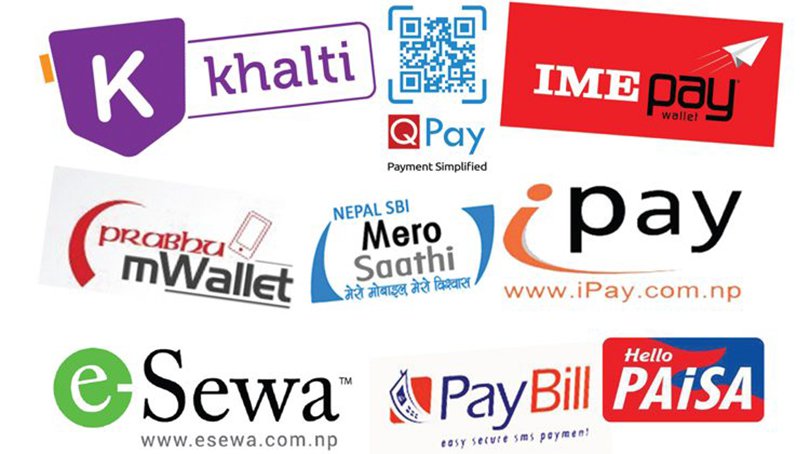
Popular platforms such as eSewa, Khalti and IME Pay have become widely used for everyday payments because they offer a simple and convenient alternative to cash. Users can store money digitally and pay bills, transfer funds and make purchases directly from their mobile phones.
QR code payments have also recorded remarkable growth. Monthly QR transactions increased from fewer than 200,000 in 2020 to nearly 59.3 million by mid-May this year. In the first ten months of the current fiscal year, QR codes were used more than 454.5 million times, generating transactions worth Rs 12.43 trillion.
The technology has become common in shops, restaurants, supermarkets and small businesses, allowing customers to make instant payments by scanning a code through a wallet or mobile banking application.
Mobile banking continues to dominate Nepal’s digital payment ecosystem. The number of registered users rose from around 11.5 million in 2020 to over 30 million. These users carried out more than 663 million transactions worth Rs 53.42 trillion during the first ten months of the fiscal year.
Internet banking has also expanded steadily, reaching over 2.43 million users. Transactions through the platform amounted to Rs 223.15 billion during the same period.
Card-based payments have grown as well. Debit card users nearly doubled to 13.9 million, while credit card users increased from around 164,000 to more than 331,000. ConnectIPS, operated by Nepal Clearing House Limited, expanded from about 162,000 users to more than 1.56 million.
Cross-border QR payments are gaining momentum, too. Monthly transactions rose from just over 38,000 in early 2025 to more than 325,000 by mid-May 2026, with transaction values reaching Rs 855 million.
E-commerce activity has also strengthened. Online card payments for goods and services increased steadily as consumers turned to digital marketplaces and social media-based businesses.
Bankers attribute the rise to faster, easier and more secure payment options. They say growing use of QR codes and wallets, particularly among small and medium-sized businesses, is helping improve financial inclusion and technology adoption.
Despite the progress, experts caution that digital literacy and cybersecurity awareness remain key challenges. Former bankers argue that Nepal must continue expanding digital infrastructure beyond urban areas if it hopes to achieve a truly cash-light economy. They also stress that reducing dependence on physical currency could lower the cost of printing and managing banknotes while making transactions more transparent and efficient.
People’s News Monitoring Service

Login to add a comment