







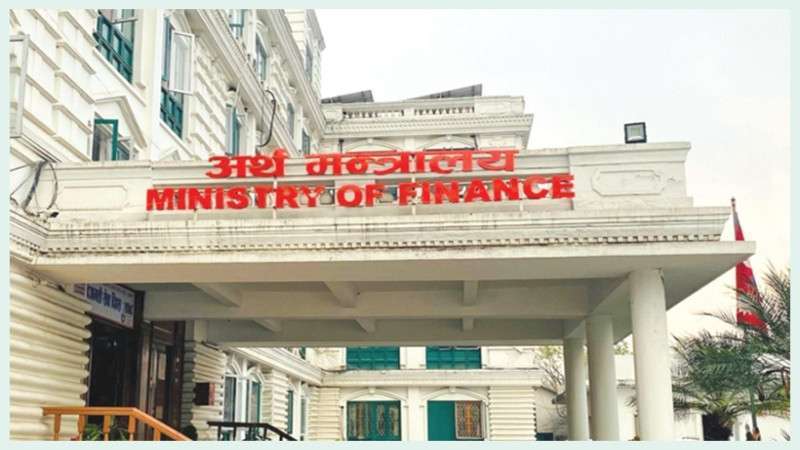
Kathmandu, May 29: The government has made budgetary arrangements to provide benefits to employees who choose voluntary retirement. According to sources at the Ministry of Finance, funds have been allocated in line with provisions in the Civil Service Act.
Finance Minister Swarnim Wagle is presenting the budget for the upcoming fiscal year in the federal parliament today.
As part of administrative reforms, the government has allocated additional funds in the budget for employees who wish to opt for voluntary retirement. For now, this amount will reportedly be kept under the “Miscellaneous Financial Heading” of the Ministry of Finance.
Since the current fiscal year, the government has been taking steps to reduce administrative expenses and streamline state structures. Earlier, the number of ministries was reduced from 22 to 18. Preparations are also underway to cut down various offices under the federal government.
With the reduction in ministries and offices, a large number of employee positions are expected to become surplus or redundant. Finance officials say this is why the government has started downsizing the size of the civil service.
As staffing positions are reduced and offices abolished, the government has had to make special budgetary arrangements to properly compensate employees who wish to take voluntary retirement.
Employees retiring through the regular process already have their pension and gratuity calculations secured. However, after the government began downsizing ministries and offices, it is estimated that many employees may choose voluntary retirement at the same time.
If many employees leave service simultaneously, a large lump-sum amount will be required to pay gratuities, pensions based on extended service periods, and other benefits. Since the regular budget cannot bear this burden, the government plans to allocate extra funds this year under the miscellaneous financial heading.
“This is a benefit provided by the law. It is in the interest of both employees and the government. For now, the budget has only been set aside for employees choosing retirement,” said a finance official.
Section 35 of the Civil Service Act contains provisions related to voluntary retirement. According to this section, civil servants who qualify for pension benefits and have reached the age of 50 may opt for voluntary retirement. For this, the Government of Nepal publishes a notice in the Nepal Gazette specifying the period and conditions.
Under the law, employees taking voluntary retirement can have up to seven additional years added to their service period. Pension eligibility is then calculated provided the employee does not exceed 58 years of age.
The Act also allows the government to publish a Gazette notice with separate benefits and conditions for employees whose positions become redundant or unnecessary if staffing adjustments cannot be managed.
There is also a legal provision stating that if employees aged 50 or above and eligible for pension would otherwise qualify for promotion to a higher rank, they may be granted that promotion before retirement.
Even if employees do not choose voluntary retirement, the government has adopted another strategy to control administrative expenses. It plans to significantly reduce the number of new recruitments conducted regularly through the Public Service Commission.
Instead of immediately hiring new employees to fill positions vacated through retirement, the government plans to reassign staff who have already become surplus.
People’s News Monitoring Service

Login to add a comment