







By Our Reporter
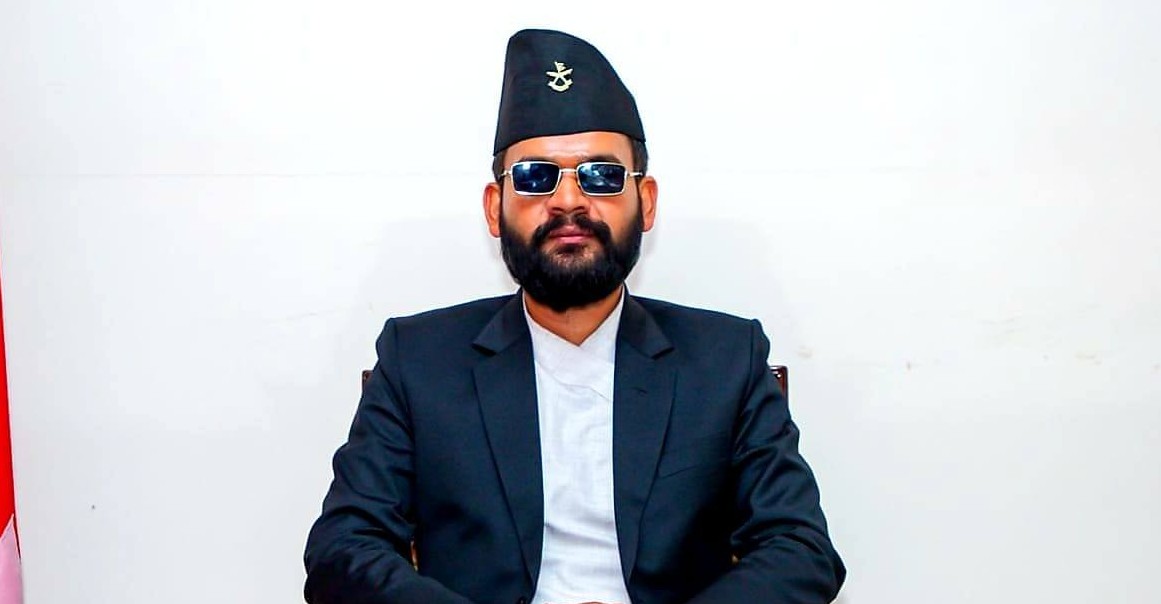
Within two weeks of taking office, Prime Minister Balen Shah has pushed a coordinated diplomatic approach that has drawn both praise and skepticism. On April 8, the government brought together cabinet members and ambassadors of different nations stationed in Kathmandu for a joint briefing on Nepal’s foreign policy and diplomatic code of conduct. Foreign Secretary Amrit Bahadur Rai led the session, after earlier briefing ministers at the Prime Minister’s Office. In a break from routine, the Prime Minister also chose to meet ambassadors collectively rather than through individual courtesy calls.
Officials at the Ministry of Foreign Affairs say the aim is to standardize conduct and tighten coordination. The new code requires ministers to route all diplomatic contacts through the ministry, mandates the presence of officials in meetings with foreign envoys, and enforces reporting obligations. It also sets rules on communication, travel, agreements, and even formal conduct. Supporters see a structured reset. Critics argue it largely repackages existing practices.
The larger question sits beyond procedure. Nepal’s diplomacy has always operated in a tight space shaped by geography, dependence, and competing external interests. Managing relations with immediate neighbors while maintaining ties with global partners requires both discipline and flexibility. That balance has often been uneven. Informal channels, ad hoc decisions, and inconsistent messaging have weakened institutional credibility in the past.
In that context, Shah’s approach tries to fix a long-standing problem: lack of coordination. By centralizing diplomatic communication through the ministry, the government signals that foreign policy should not drift across ministries or personal networks. It attempts to bring order to a system where ministers sometimes acted on their own, meeting diplomats without record or alignment. If implemented well, this could reduce mixed signals and protect national positions.
The collective meeting with ambassadors also carries a message. It sets a uniform tone at the start of the government’s tenure. Instead of fragmented conversations, the prime minister presented a single platform where policy priorities and expectations could be shared. For a country often caught between competing narratives, that kind of clarity has value.
Training ministers on diplomatic conduct is another practical gain. Not every political appointee arrives with experience in foreign affairs. A structured briefing can help avoid avoidable missteps, especially in a field where a single statement can carry disproportionate weight. The emphasis on careful language, proper channels, and documentation may sound procedural, but these are the basics that often get ignored until something goes wrong.
Still, the limits of this approach appear just as quickly. Diplomacy does not run on group meetings alone. Bilateral relations demand nuance. Each country comes with its own sensitivities, priorities, and expectations. A collective setting can outline broad policy, but it cannot replace direct engagement. Even supporters of the new system admit that one-on-one meetings will remain necessary.
Over-centralization also brings its own risks. When every interaction requires approval and presence from the ministry, the system can slow down. Diplomacy often requires quick, informal exchanges to build trust or manage emerging issues. A rigid structure may discourage initiative and reduce flexibility at a time when global politics demands quick responses.
While the government presents the move as a reform, critics see continuity with a new label. Nepal has conducted briefings and group meetings before, even if not in the same format. The difference now lies in presentation and enforcement. Whether that difference holds will depend on consistency. If rules apply unevenly or fade over time, the initiative will look like another short-lived experiment.
A centralized system increases the role of the prime minister’s office and the foreign ministry while limiting individual ministers. That can improve discipline, but it can also create friction within the government. Ministers who feel constrained may look for ways around the system, bringing back the very informality the policy aims to end.
Nepal’s diplomatic space adds another layer of complexity. The country sits between major powers with competing interests. It relies on foreign aid, trade, and investment, while trying to maintain strategic autonomy. In such a setting, diplomacy cannot be purely procedural. It must remain adaptive. A system that enforces discipline but leaves room for calibrated engagement stands a better chance of success.
The benefits of the current approach are clear. It promotes coordination, reduces informal dealings, and reinforces institutional roles. It can improve accountability and present a more coherent foreign policy line. For a government still defining its style, these are meaningful steps.
Excessive control can slow decision-making. Group diplomacy cannot replace tailored engagement. And without sustained commitment, even well-designed rules risk slipping into routine.
Nepal’s diplomacy has long struggled with inconsistency rather than intent. The new government has tried to address that gap with structure and clarity. Whether this becomes a lasting shift or another cycle of reform will depend less on announcements and more on practice.
In the end, diplomacy is not judged by how neatly rules are written but by how effectively interests are managed. Nepal does not need reinvention as much as it needs discipline with judgment. If Shah’s approach can combine both, it may strengthen the country’s position. If not, it will join a familiar list of efforts that started with promise and settled into habit.

Login to add a comment