







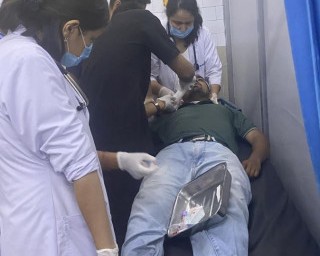
Kathmandu, Sept 8: Nineteen people were killed on Monday after police fired live rounds at protests led by Generation Z against corruption and the government’s ban on social media. The unrest began in New Baneshwar, Kathmandu, and spread across major cities, including Pokhara, Butwal, Bhairahawa, Bharatpur, Itahari, Damak, Biratnagar, Janakpur, Hetauda, and Nepalgunj. Authorities imposed a curfew from 3:30 pm, but demonstrations grew more intense throughout the day.
Hospitals in Kathmandu confirmed 17 deaths: eight at the National Trauma Centre, three each at Everest and Civil hospitals, two at Kathmandu Medical College, and one at Tribhuvan Teaching Hospital. Two others injured in Itahari died in Sunsari, pushing the nationwide toll to 19.
At least 347 people are hospitalized with injuries. Civil Hospital is treating 100, Everest Hospital 102, Trauma Centre 59, Kathmandu Medical College 37, while other hospitals across the country reported dozens more. Doctors said many remain in critical condition, most with gunshot wounds to the head and chest.
In Baneshwar, security forces fired tear gas, water cannons, and bullets to clear protesters outside Parliament. In Sunsari, one demonstrator was shot dead on the spot, while another died later in Dharan. In Jhapa, crowds hurled stones at Prime Minister KP Sharma Oli’s residence in Damak. Police responded with gunfire in the air. Protesters also blocked stretches of the East-West Highway by setting tyres ablaze.
The National Human Rights Commission called for restraint, reminding both sides that peaceful protest is guaranteed by the constitution and international law. It described vandalism and excessive use of force as “regrettable.”
Driven largely by students and young people, the movement has spread nationwide. With curfews in place in several districts and hospitals overwhelmed, the protests have shaken the state and fueled widespread public outrage. People’s News Monitoring Service

Login to add a comment