







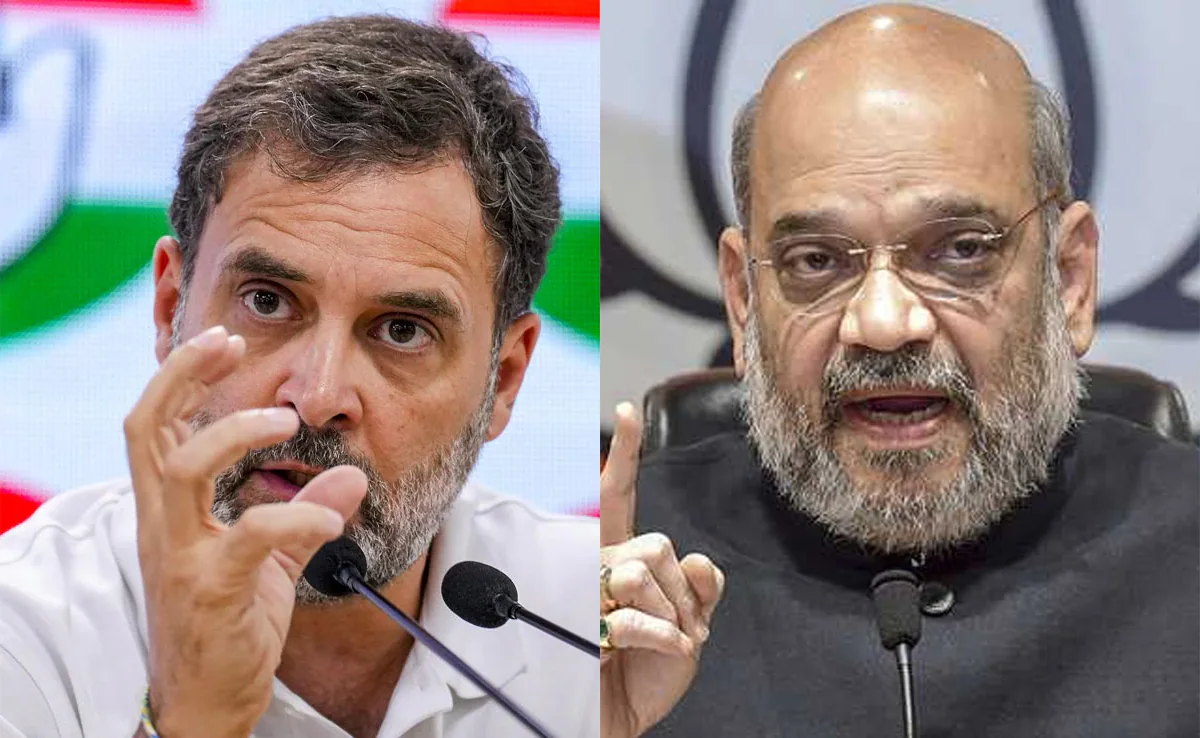
New Delhi, Aug 21: Indian Home Minister Amit Shah on Tuesday introduced the 130th Constitutional Amendment Bill, 2025, in the Lok Sabha, sparking a storm of protest. The bill proposes that if the Prime Minister, a Chief Minister, or a Minister is held in custody for 30 consecutive days, they will be removed from office.
Opposition parties warned that the law could be misused. Congress leader Rahul Gandhi compared the bill to medieval practices, saying it undermines democracy. “This bill takes us back to an era when kings removed officials at will. Today, the BJP wants elected leaders removed if they fall out of favor, using arrests as a tool,” he said in Parliament.
DMK chief and Tamil Nadu Chief Minister M.K. Stalin called it a direct assault on democracy. He described the amendment as “a black day and a black law” and warned it marked the beginning of authoritarianism, aimed at silencing opposition and crushing states. Stalin urged all democratic forces to unite against what he called the BJP’s bid to turn India into a dictatorship.
Defending the proposal, Shah said the bill was meant to bring “purity in politics” and restore declining moral values in public life. Posting on X, he argued that leaders facing long detentions should not continue to run governments.
The introduction of the bill triggered chaos in the Lok Sabha. Opposition lawmakers tore copies of the bill and threw them toward Shah. Congress leader Priyanka Gandhi called it “harsh,” while AIMIM’s Asaduddin Owaisi branded it “unconstitutional.”
Under the bill, any minister facing charges that carry a prison term of five years or more would be removed on the 31st day of detention, following the President’s order on the Prime Minister’s recommendation.
The bill has been referred to a Joint Parliamentary Committee (JPC). Shah said the opposition would get the chance to present its objections before the panel.
The proposal seeks to amend Article 75 of the Constitution, which deals with the appointment and responsibilities of the Prime Minister and ministers. Still, without a two-thirds majority in Parliament, the Modi government faces a steep climb in getting it passed.
People’s News Monitoring Service

Login to add a comment