







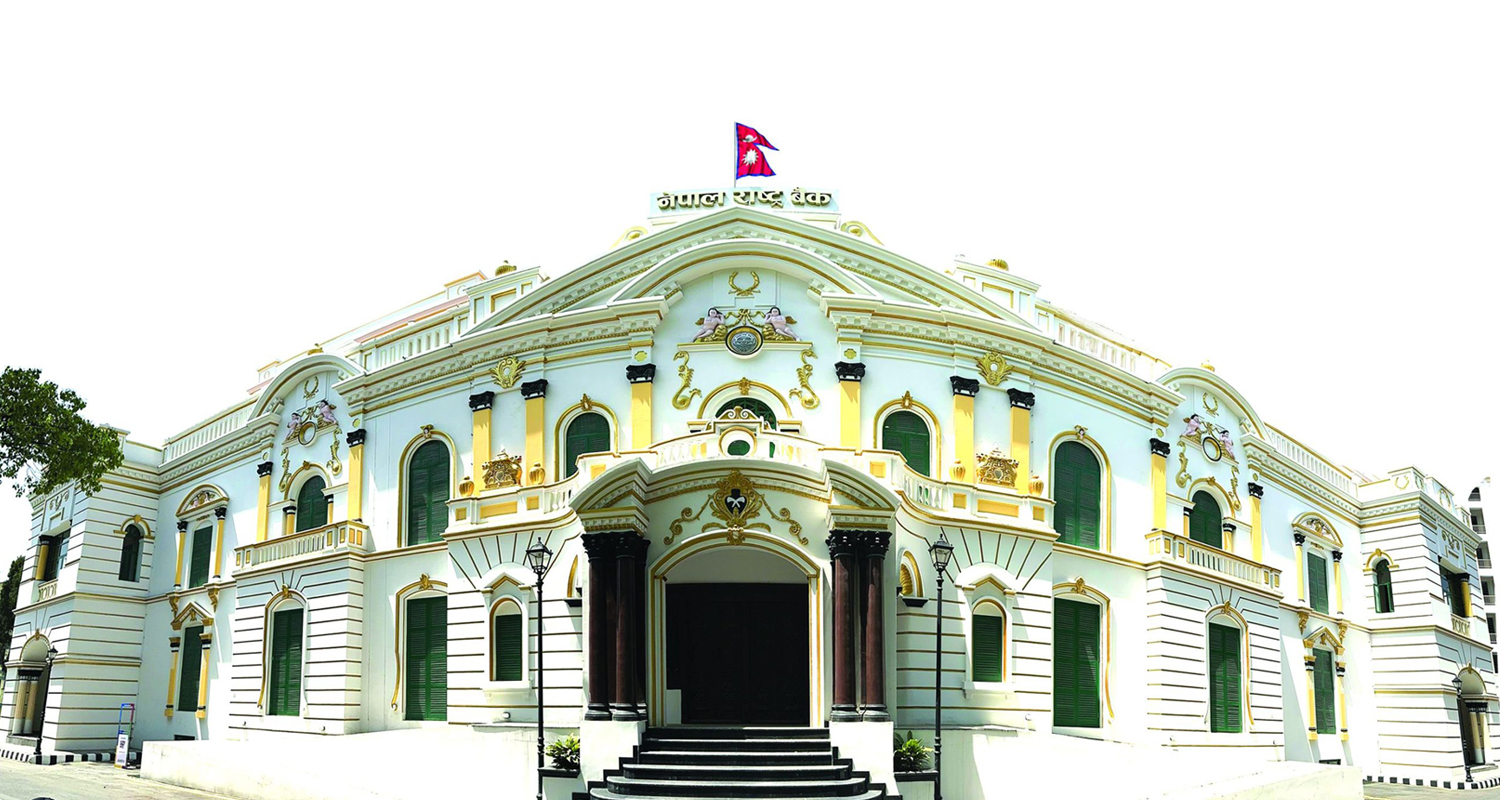
Kathmandu, June 19: During a discussion held today at the Finance Committee of the House of Representatives, lawmakers from the ruling party, the Rastriya Swatantra Party (RSP), asked Governor Dr. Bishwanath Paudel of the Nepal Rastra Bank to explain why credit expansion has continued to shrink despite ample liquidity in the banking system and declining interest rates.
The lawmakers questioned whether excessive regulation by the central bank could be responsible for the private sector’s failure to regain confidence, even after the two-thirds majority government introduced a private-sector-friendly budget and implemented policy reforms.
During the meeting, lawmaker Lima Adhikari asked the governor to explain why non-performing loans (NPLs) in government-owned banks are higher than those in private banks and what measures are being taken to address the problem. She also sought clarification on how the upcoming monetary policy would help narrow the wide gap between projected and actual credit disbursement.
She said, “At present, there is a two-thirds majority government. The government has introduced a private-sector-friendly budget and amended laws that were seen as obstacles. Yet, public concerns are growing that the private sector’s confidence has not improved because of possible overregulation by the Nepal Rastra Bank. Why have non-performing loans in banks owned by the Government of Nepal remained higher than those in private banks for the past three years, and what is the central bank doing about it? Who needs to do what to bridge the large gap between projected lending to the private sector and actual credit disbursement?”
Similarly, lawmaker Bidushi Rana asked what provisions the monetary policy would include to provide additional incentives—through interest rates, working capital arrangements, and regulatory measures—to encourage investment in productive industries. She stressed the need for practical provisions for loan restructuring and rescheduling for industrialists and business owners facing temporary cash-flow difficulties.
She said, “What preparations has the Nepal Rastra Bank made in its monetary policy to provide additional support for investment in productive industries? Is there any plan to introduce restructuring and rescheduling facilities for businesses facing cash-flow problems? Despite high liquidity in the banking system and lower interest rates, private-sector investment and credit demand have not increased. In the central bank’s view, where does the main problem lie, and what initiatives are being taken to address it?”
Lawmaker Parshuram Tamang of the Communist Party of Nepal stated that the economy is in a state of crisis, noting that although banks have sufficient resources and entrepreneurs are available, economic activity remains sluggish.
He drew Governor Paudel’s attention to the hardships faced by ordinary people due to problems in the cooperative and banking sectors, as well as the difficulties confronting real estate entrepreneurs and stock market investors.
He said, “Banks have resources, and there are entrepreneurs and businesspeople, yet neither side is active. Why has capital failed to circulate? People are being forced to sell their land and property and go into hiding. Real estate entrepreneurs are spending their days in jail, while many investors have suffered heavy losses in the stock market and left the country. The government may not view this as a crisis, but I certainly do. What is the Nepal Rastra Bank doing to resolve it?”
Most lawmakers who spoke during the meeting argued that the main reason credit demand has not increased and private-sector confidence has not recovered, despite ample liquidity in banks, is the Nepal Rastra Bank’s excessive regulatory approach.
People’s News Monitoring Service.

Login to add a comment