







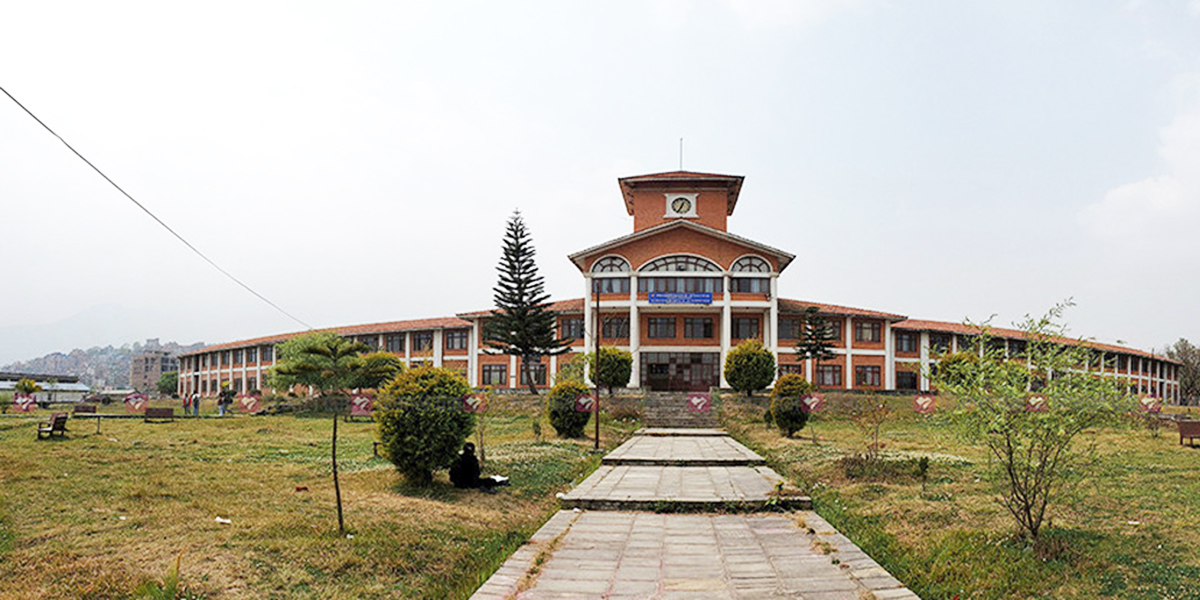
Kirtipur, April 27: Tribhuvan University (TU) lately issued a 35-day deadline asking various organisations and individuals to return land under their occupation. While a few institutions have started the process of handing back land, the overall exercise is turning out to be legally and administratively complex
Of all occupied land, the international cricket ground appears to be a major one. A section of TU land has been occupied or used by state agencies and public institutions over the years, making eviction or return difficult. The Cricket Association of Nepal (CAN) is among those affected, alongside several government-linked offices operating on leased or allocated plots within the university area.
A senior TU official said completing the land recovery within the deadline is unrealistic due to legal entanglements and overlapping claims.
A past TU committee report had identified encroachment by at least 18 religious and social organisations. It also documented large-scale land allocations over time, including 160 ropanis for the BP Koirala Planetarium, 281 ropanis for an agriculture and horticulture centre, 25 ropanis for an Ayurveda centre, and smaller allocations to police units within the campus. Other allocations include land for a republic monument, water board facilities, schools, and organisations such as Nepal Netra Jyoti Sangh on long-term arrangements.
The report also flagged earlier allocations to groups, including the Nepal Professors’ Association, Global IME Bank, Lions Club International, Nepal Bank, and the cricket stadium itself, urging that encroached or misused land be returned to TU control.
However, returning land has proven difficult in practice. Some offices operate under valid lease agreements that have not expired. In other cases, such as Naikap, even court rulings confirming TU ownership have not translated into physical control, as local settlements and structures already exist on the land.
TU officials say reclaiming such areas would require government support, especially where demolition or relocation is involved. In Kirtipur, boundary walls and settlements complicate enforcement further.
The cricket stadium issue has added urgency to the debate. TU recently issued the 35-day notice even to CAN. The administration division maintains that the notice applies equally to all occupants, though it acknowledges that dialogue may be needed in cases involving government-supported infrastructure.
CAN, however, says it has not formally received the notice and is preparing to seek lease renewal through the National Sports Council. Its board had earlier moved for the extension of the agreement.
Officials at TU argue that large sporting events have disrupted the academic environment, strengthening their position that the stadium should be relocated from university grounds. At the same time, a previous government investment in stadium infrastructure has added another layer of contradiction.
For now, the situation remains caught between legal claims, institutional priorities, and practical limitations, making the land recovery drive far more complicated than its deadline suggests.
People’s News Monitoring Service

Login to add a comment