







Kathmandu, Oct 2: Private power producers and consumers can now use Nepal’s national electricity transmission network by paying a fee, opening the state-controlled grid to wider participation in electricity trading.
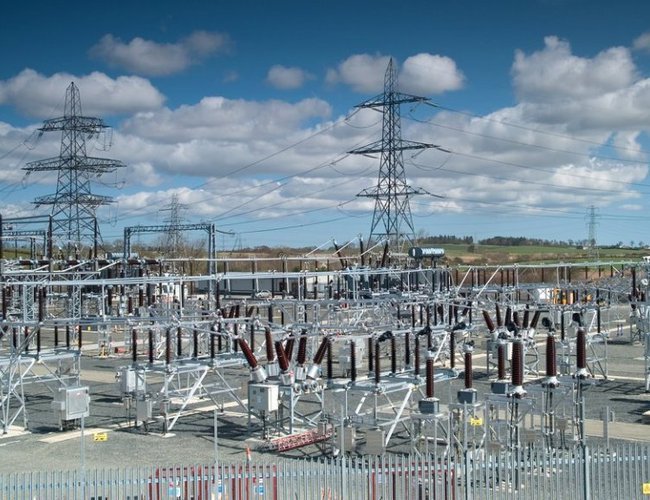
The Electricity Regulatory Commission (ERC) on Thursday announced wheeling charges for using transmission infrastructure operated by the Nepal Electricity Authority (NEA). The decision allows private companies and other third parties to transmit electricity through the existing grid without owning transmission infrastructure.
The arrangement, known as “open access,” is expected to create room for private participation in electricity trading. Wheeling refers to transmitting electricity through another operator’s network in return for a charge.
ERC Chairman Dr Ram Prasad Dhital said the rates were fixed under the National Electricity Transmission Grid Transmission Charge Calculation Standards.
For fiscal year 2026/27, short-term users will pay 57 paisa per kilowatt hour of electricity transmitted. Medium and long term users will pay charges based on transmission capacity.
The commission calculated the rates assuming Nepal’s maximum electricity load would reach 3,587 MW this fiscal year. It said the system is intended to provide non discriminatory access to transmission infrastructure while ensuring that charges reflect operating and investment costs.
The calculation takes into account capital assets, depreciation, interest on long term loans, staffing, operation and maintenance expenses, working capital and return on equity.
The NEA’s audited accounts put the transmission system’s annual revenue requirement at Rs 11.015 billion in 2024/25. Based on previous growth in costs, the ERC has projected the requirement at Rs 17.767 billion for 2026/27.
The commission is preparing separate rules for radial and dedicated transmission systems outside the national grid.
Nepal’s existing law does not clearly permit private companies to build and operate major commercial transmission networks. Large transmission infrastructure remains under the NEA and the state-owned National Transmission Grid Company.
Private hydropower developers can build short lines connecting their plants to NEA substations, but cannot independently develop major transmission corridors.
The new arrangement does not change that restriction. It instead gives private players access to the existing national grid by paying prescribed charges, creating a pathway for greater private participation in electricity trading.
People’s News Monitoring Service

Login to add a comment