







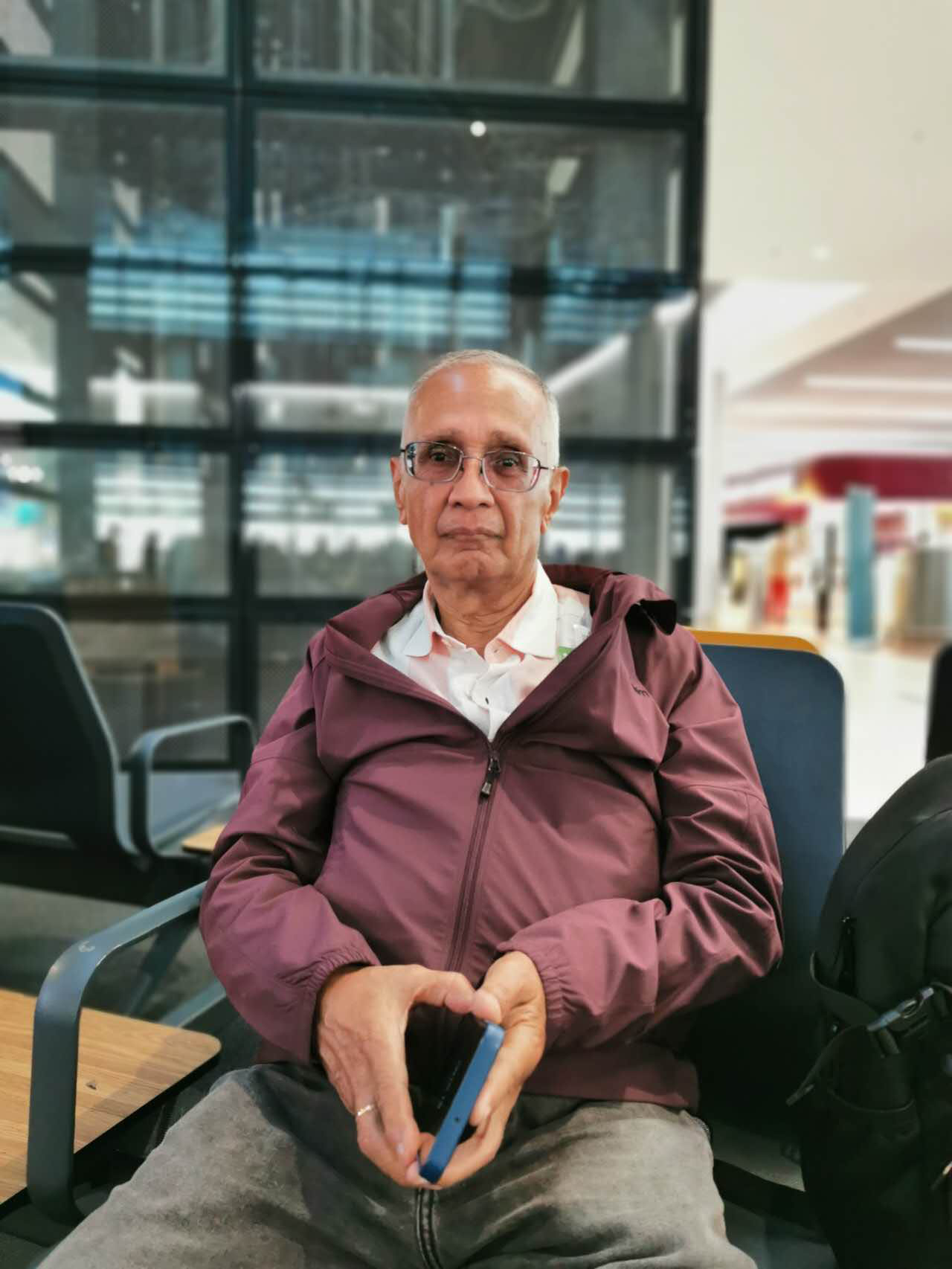
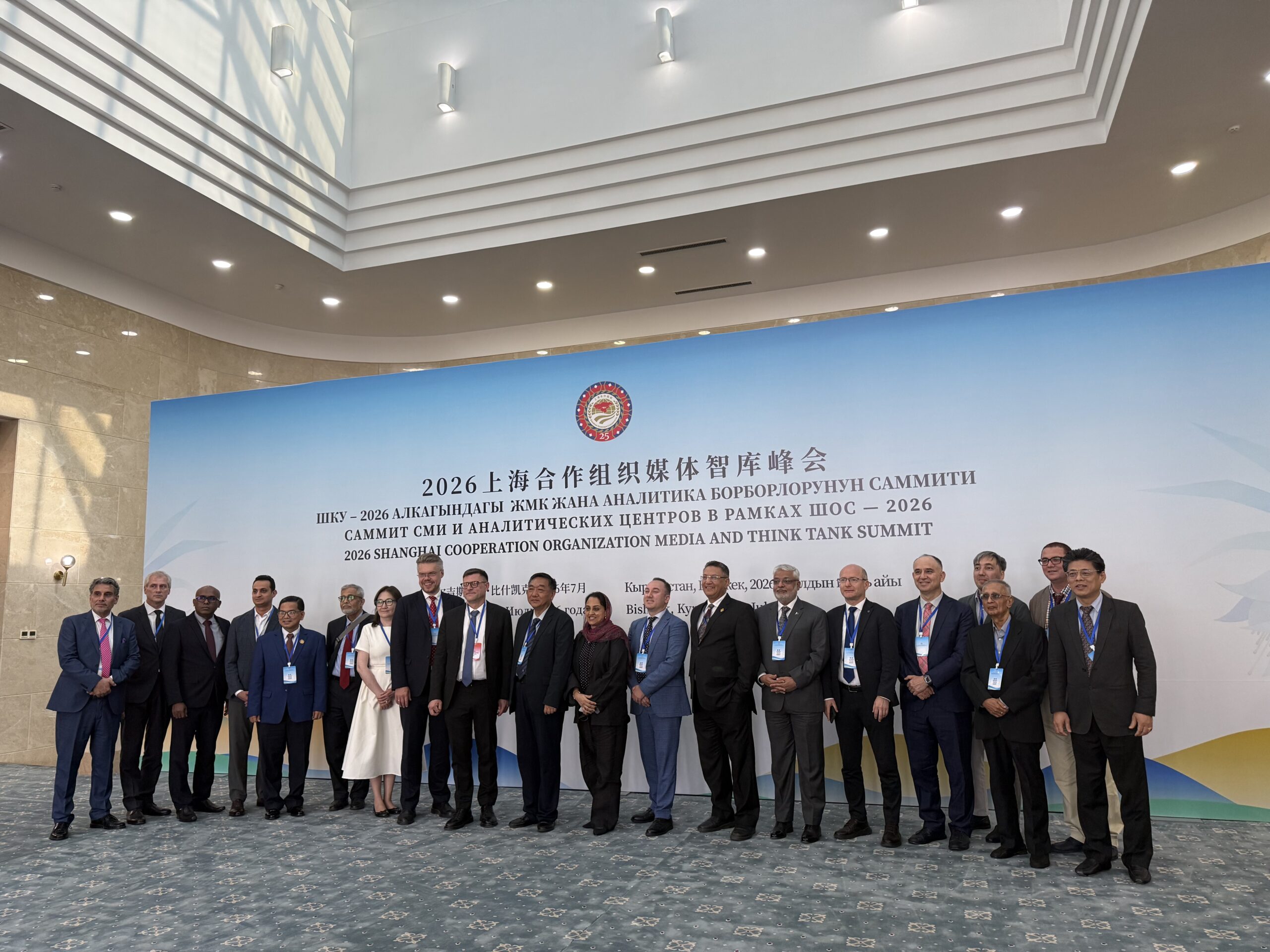
Dr. Upendra Gautam, Secretary General of the China Study Center, Nepal, participated in the Shanghai Cooperation Organization (SCO) Media and Think Tank Summit held in Bishkek, Kyrgyzstan, in July 2026. A noted academic and expert on China and Nepal–China relations, Dr. Gautam shared his insights on the summit, its key outcomes, and its significance for regional cooperation and Nepal–China relations in an interview with People’s Review. Excerpts:
Question: You participated in the Shanghai Cooperation Organization (SCO) Media and Think Tank Summit held in Bishkek, Kyrgyzstan, in July 2026. What are your overall impressions of the summit, and what do you consider its most significant outcome?
Answer: The renewed consensus on strengthening mutual practical cooperation among all SCO member states and partners is, for me, the most meaningful outcome of the summit’s deliberations. This cooperation essentially embodies an operational and adaptive framework for the Global South at large. The outcome is particularly significant in today’s geopolitical environment, where geopolitical narratives often allow shadow actors to play a game of destabilization.
Q.: Throughout the summit, delegates from China, Kyrgyzstan, and other participating countries emphasized the SCO Spirit and the Belt and Road Initiative (BRI) as platforms for promoting mutual cooperation, shared prosperity, and a common future for humanity. What is your assessment of this vision?
A.: The vision is unassailable in the current geopolitical environment.
Q.: Nepal, as a developing country with substantial infrastructure financing needs, appears to have been hesitant about implementing projects under the BRI and has also been reluctant to play a more active role within the SCO. Do you share this view? If so, what factors do you believe are contributing to the Nepal government’s hesitation?
A.: The hesitation is not indigenous; rather, it is outdated, and non-representative to say the least. The principal factor contributing to this hesitation is the influence of the broader game of destabilization that shadow actors continue to play.
Q.: A notable feature of the summit was the candid interaction among delegates from countries that have bilateral disputes, particularly India and Pakistan, as well as Iran and several countries in West Asia. Despite their political differences, participants engaged in constructive dialogue. Do you believe such forums reflect the dialogue-oriented leadership of China and Uzbekistan in fostering a peaceful and inclusive environment conducive to greater regional and global peace?
A.: I agree with your objective observation.
Q.: In your view, how should Nepal make better use of international platforms such as the SCO to advance its national interests, particularly in attracting investment, expanding infrastructure development, strengthening regional connectivity, and enhancing economic cooperation?
A: The key lies in Nepal appreciating and honestly learning from the economic development and reform experiences of the SCO region, particularly in planning, public policy, and the industrial application of technology to advance mutual practical cooperation.
During the summit, I voluntarily shared lessons drawn from my five decades of localized, people-centered, bottom-up, community-based development and governance experience with the SCO Media and Think Tank Expert Group. The expert group meeting was facilitated by Mr. Ousavanh Thiengthepvongsa, Director General of SPRI, Laos. The group possesses a sea of knowledge and a mountain of experience.
Nepal`s challenge is to reinvigorate the indigenous institutional capacities of intergenerational target groups—students, farmers, and young professionals—who can sustain the momentum of development and productive forces by making them not only commercially viable but also fair and inclusive.
To achieve this twin goal of commercial viability and fairness, Nepal needs to uphold President Xi Jinping’s uncompromising approach to combating corruption through people-centered governance. Without such a governance ethos, Nepal in Global South cannot prevent the unchecked social, economic, and geographical westernization that is often pursued in the name of modernization. We should remain aware of how such westernization has fragmented the social, economic, and geographical fabric of countries like Nepal. In the process of promoting Practical Cooperation, the SCO and its major member role will be not of a replacer of the local indegenous capacity; rather it will be of a replenisher.

Login to add a comment