







By Our Reporter
The Sikta Irrigation Project reflects both Nepal’s development potential and its administrative failures. Construction began in 2005 with the expectation that the project would be completed within 30 years. More than two decades later, only about half of the work has been finished. Farmers who were promised year-round irrigation continue to wait, while the government keeps spending money without receiving the full benefit of the investment.
Energy Minister Biraj Bhakta Shrestha’s recent directive to complete the remaining work within eight years has given local communities fresh hope. The government also enjoys political stability, a stronger parliamentary majority, and a larger budget than in previous years. Those factors create a better environment for faster implementation. Still, optimism alone will not complete the project. Deadlines have little meaning unless they are backed by funding, institutional reform, and strict accountability.
Sikta’s problems are well known. The project has gone through 20 project chiefs in 21 years. Land acquisition disputes delayed progress. Work inside protected areas stalled for years because agencies failed to coordinate. Allegations of contractor collusion and corruption weakened public confidence. These are not engineering failures. They are governance failures.
The financial picture is equally troubling. More than Rs 24 billion has already been spent, yet another Rs 28 billion is needed to finish the remaining work. The government has allocated only Rs 2.55 billion for the coming fiscal year. At that rate, completing the project within eight years appears unrealistic. If ministers genuinely want to meet the revised deadline, annual funding must match the commitment. Otherwise, the new target will become another broken promise.
The cost of delay extends far beyond the project site. Every year without irrigation means lower agricultural production, fewer rural jobs, higher food imports, and lost income for thousands of farming families. Nepal continues to discuss food security while productive land still depends on uncertain rainfall. Completing irrigation projects would do more for agricultural growth than many short-term subsidy programs.
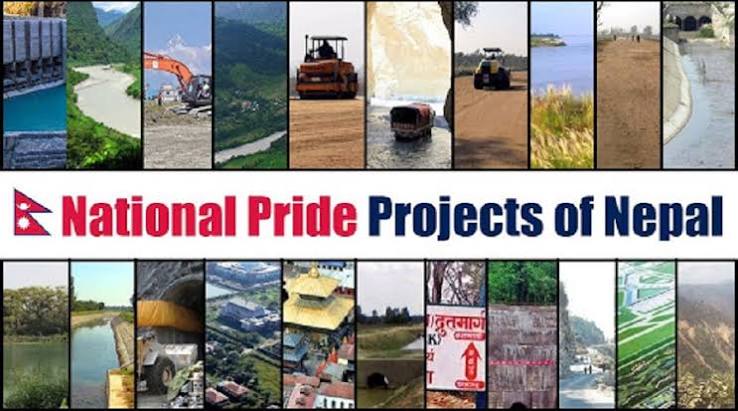
This wider problem explains why the National Planning Commission has proposed reducing National Pride Projects from 27 to just 10. The recommendation deserves serious attention. Governments have often declared projects based on political appeal rather than careful planning. National Pride status has gradually become a label instead of a meaningful commitment. Too many projects have entered the list without detailed feasibility studies, secure financing, land acquisition plans, or environmental clearances. As a result, resources have been spread too thin across dozens of large projects, leaving many unfinished for years.
A smaller list would not mean giving up on development. It would mean concentrating public resources where they can produce visible results. Completing ten high priority projects on schedule would strengthen public confidence far more than announcing twenty more projects that remain incomplete for another decade.
The Planning Commission has also highlighted other structural problems that deserve immediate action. Procurement laws, forest regulations, and environmental approval processes often move independently instead of supporting one another. Contractors struggle to obtain construction materials because legal provisions remain unclear. Project designs are revised midway through construction. Each delay raises costs and pushes completion dates further away. These bottlenecks have become normal when they should be treated as policy failures.
The new government has an opportunity to break this cycle. It should publish realistic completion schedules for every National Pride Project, identify annual funding requirements, assign clear responsibility to project leadership, and release regular public progress reports. Project chiefs should remain in office long enough to deliver results instead of being replaced every year. Cost overruns and missed deadlines should trigger independent reviews rather than routine extensions.
Nepal does not suffer from a shortage of ambitious plans. It suffers from a shortage of disciplined execution. National Pride Projects should earn that title by delivering lasting public value, not by remaining permanent construction sites. Finishing fewer projects on time is far better than endlessly expanding a list that consumes public money without producing results. The success of projects such as Sikta will not be measured by speeches or revised deadlines. It will be measured when water finally reaches farmers’ fields, roads open to traffic, power reaches industries, and taxpayers see returns on the billions already invested. That is the standard the new government should be judged by, and it is the standard the public deserves.

Login to add a comment