







By Our Reporter
Nepal’s recurring LPG shortages are exposing a problem that goes beyond disrupted supplies. They are also showing how expensive the country’s continued dependence on imported cooking gas has become.
Nepal Oil Corporation is losing around Rs 8 billion to Rs 10 billion every month from LPG sales. The country consumes about 45,000 to 46,000 metric tons of LPG each month, or roughly 550,000 metric tons a year. NOC loses Rs 411 on every cylinder because it buys LPG at a higher price from India and sells it domestically at a lower price.
That means the government is effectively spending billions each month to keep cooking gas affordable, while consumers still face shortages whenever floods, landslides or other disruptions block transport routes.
The problem becomes particularly severe during the monsoon and major festival periods, when demand rises and roads are frequently disrupted. Nepal’s recent floods have again shown how vulnerable the LPG supply chain is. NOC has only around 10,000 metric tons of storage, enough for about a week of normal consumption. A country exposed to repeated natural disasters cannot depend so heavily on one imported fuel and a fragile transport network.
Nepal has another option: electricity. The country has expanded power generation, and the Nepal Electricity Authority says supply is now sufficient, especially during the monsoon. Using that electricity for cooking would also create a larger domestic market for Nepal’s own power.
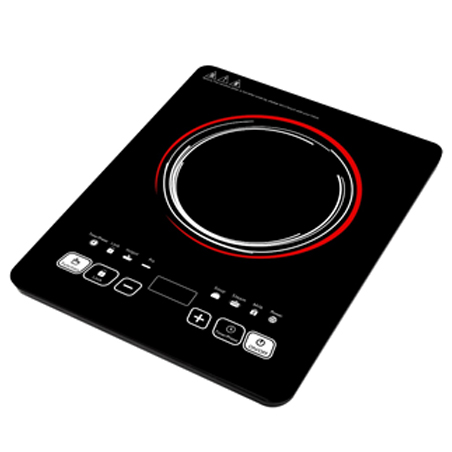
The government should therefore treat electric cooking as part of its energy security policy, not as a small subsidy programme. Induction and other electric stoves can reduce household cooking costs and cut dependence on imported LPG. The experience of Lomanthang is telling. Around 600 households there use electric stoves regularly. According to the rural municipality, families spend about Rs 400 to Rs 500 a month on electricity for cooking, compared with as much as Rs 2,500 on LPG.
Still, simply distributing electric stoves will not solve the problem. Poor electricity infrastructure remains a barrier in many rural areas. Concentrated cooking hours in the morning and evening can also put pressure on transformers and distribution lines. Consumers may also need suitable cookware, repair services and technical support.
The government has already planned to promote electric stoves in 500,000 households under its Clean Cooking Solutions programme. That effort should now be linked with stronger electricity distribution and a clear pricing policy.
Lower household electricity tariffs for cooking could make the switch much more attractive. Instead of spending billions every month covering NOC’s LPG losses, the government could consider directing part of that money toward cheaper electricity for household cooking, targeted subsidies and distribution upgrades.
Nepal should also pursue LPG storage, pipelines and other supply improvements. But those measures should not become an excuse to preserve the current dependence indefinitely.
Every disaster will continue to test the LPG supply chain. Electric cooking offers Nepal a way to reduce that vulnerability while keeping more of its energy spending inside the country. The government now needs to decide if it wants to keep paying billions to manage the same problem, or invest in an alternative that can reduce both the public cost and the household burden.

Login to add a comment