







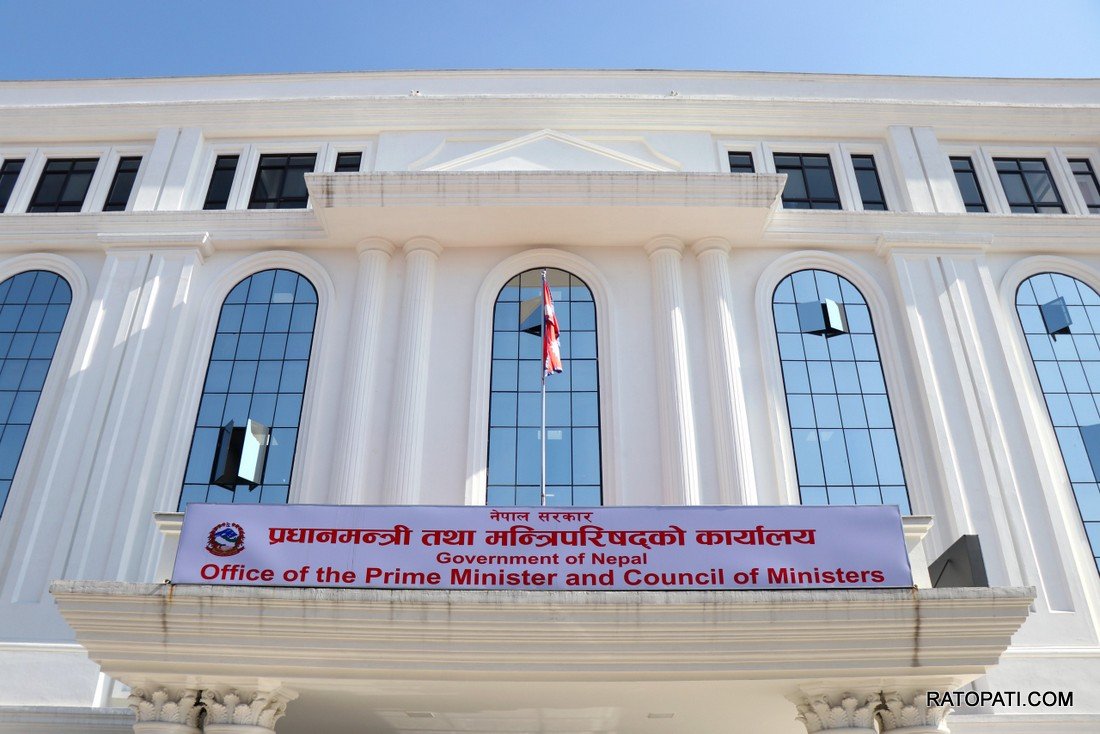
Kathmandu, July 15: Nepal has ended the long-held practice of awarding public contracts solely to the lowest bidder, replacing it with an average pricing model under the Second Amendment to the Public Procurement Act, 2007. Parliament recently passed the amendment, which the government says will make procurement faster, more transparent, and more practical.
The previous system often encouraged contractors to quote unrealistically low prices to secure projects. Officials say the practice resulted in poor quality construction, repeated deadline extensions, stalled projects, and rising costs once work began.
The Federation of Contractors’ Associations of Nepal welcomed the reform, saying it would discourage irresponsible bidding and improve infrastructure delivery.
Federation General Secretary Shiv Hari Ghimire said the amendment addresses many long-standing problems in the construction sector. “The government’s amendment is a welcome step. We expect it to resolve most of the challenges facing infrastructure development,” he said.
The revised law also tightens procurement procedures. Public agencies can no longer invite bids without secured budgets or confirmed funding. Land acquisition, compensation payments, site clearance, and environmental approvals must be completed before tenders are issued.
Cost estimates must now follow government-approved standards, while the responsibilities of public agencies, contractors, suppliers, and consultants have been clearly defined. Employees completing projects on time and maintaining quality standards will be eligible for incentives, while contractors delivering quality work will receive recognition. The performance guarantee has been capped at five per cent.
Other reforms include recognising the combined qualifications of merged companies, shortening bid submission deadlines, and making decisions of the Public Procurement Review Committee binding.
Industry experts say the average pricing system could reduce unhealthy competition by encouraging contractors to submit realistic bids instead of unsustainably low offers. They expect the change to improve construction quality and help projects finish on time.
However, they caution that the reform’s success depends on implementation. They argue that contract awards must also consider technical capacity, past performance, and financial strength, while the average price calculation must remain transparent and objective to prevent favouritism or abuse.
The contractors’ federation has also urged the government to introduce price adjustment provisions for contracts of all durations when revising the Public Procurement Regulations. Ultimately, the effectiveness of the reform will depend on fair and consistent enforcement.
People’s News Monitoring Service

Login to add a comment