







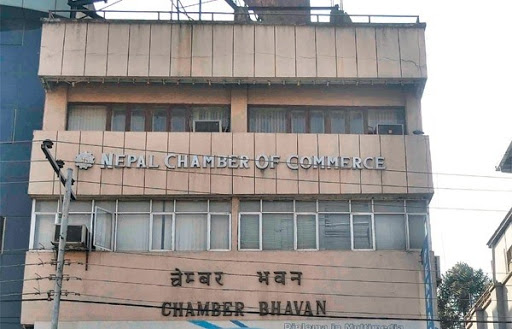
Kathmandu, May 24: The Nepal Chamber of Commerce has expressed serious concern over the government’s decision to halt the registration of new public vehicles.
In a statement issued on Friday, the Chamber said the Department of Transport Management’s move to suspend the registration of all public vehicles, including electric ones, “until further notice” under the pretext of ensuring a “scientific management system” has exposed auto businesses to significant financial risk.
The Chamber acknowledged that the government’s intention to make public transport management more scientific, organized, and long-term is welcome. However, it said the sudden suspension without prior notice, consultation, or coordination with stakeholders is impractical.
It noted that hundreds of vehicles imported through letters of credit via banks and financial institutions have already cleared customs and are awaiting registration. Some are in transit, while others have already been manufactured and dispatched by producers based on confirmed orders. The sudden halt in registration has therefore put investments at risk.
The Chamber warned that vehicles imported for public transport cannot be diverted to other uses or markets, which could push businesses into severe financial distress. It also said the decision could damage the credibility of Nepali businesses with international manufacturers.
Recalling the COVID-19 period, it said abrupt import restrictions had already damaged Nepal’s business reputation in global markets, and similar decisions could again send a negative signal about the country’s investment climate.
The Chamber added that the move could directly affect public transport services, employment, the automobile sector, banking investments, and government revenue collection. It urged the government to immediately reconsider the decision.
President Kamlesh Kumar Agrawal of the Chamber called for easing the registration and operation process for vehicles already in transit, under import approval, or already cleared through prior commitments.
He also urged the government to consult with the private sector and stakeholders before adopting practical, scientific, and long-term policies
People’s News Monitoring Service

Login to add a comment