







By Our Reporter
Eighty days after the Bhotekoshi floods, thousands of displaced families are still waiting for the government to help them rebuild. Homes were swept away, farmland buried under debris and livelihoods destroyed, yet the promised relief, rental assistance and rehabilitation plans remain largely on paper. Many survivors now struggle to find shelter, pay rent and earn a living.
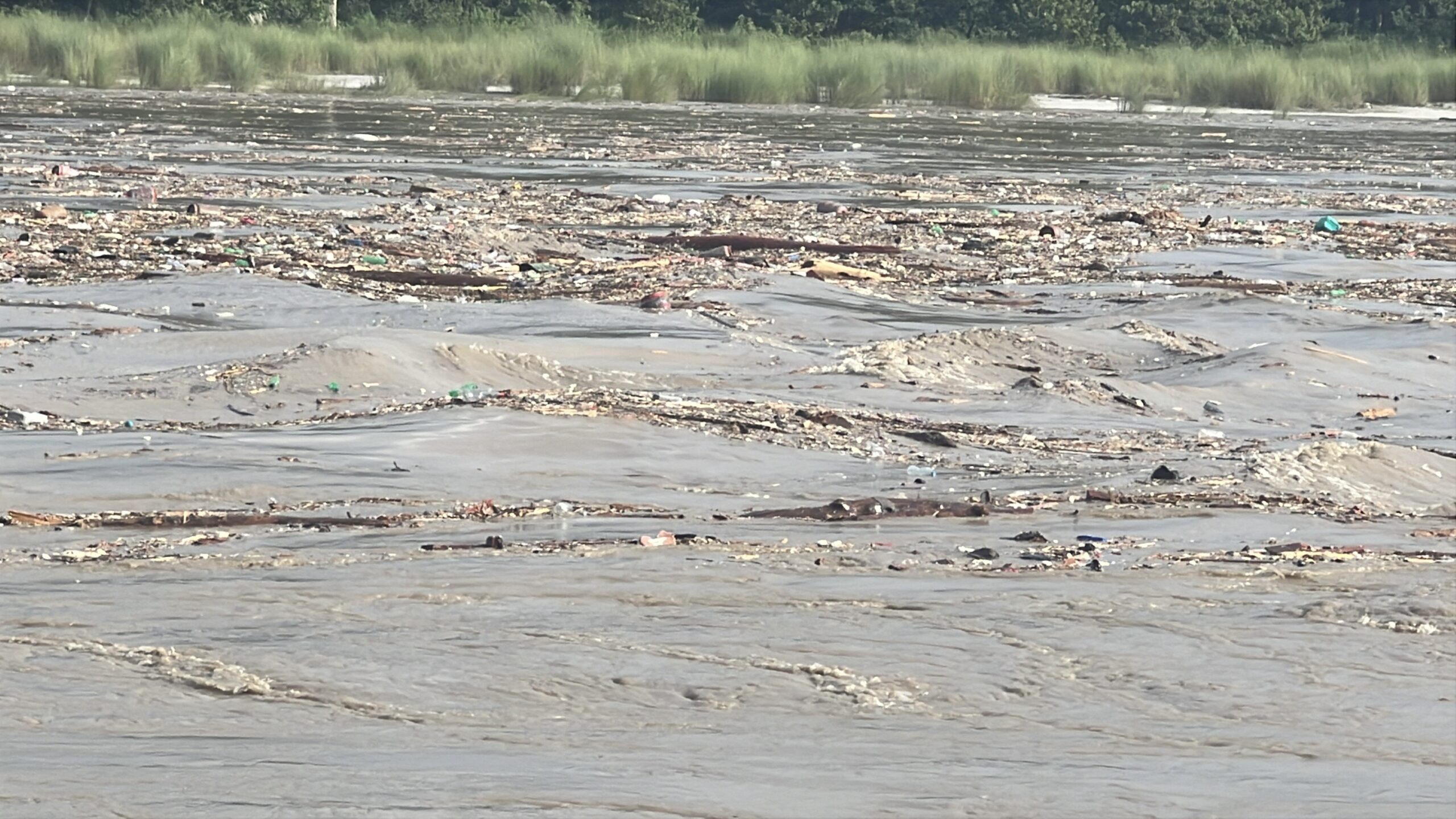
The floods of August 26 damaged around 7,500 houses across Rasuwa, Nuwakot, Dhading and Gorkha, leaving thousands homeless. More than 5,200 people were reported missing. Families who escaped with their lives have since depended on relatives, temporary shelters or rented rooms, and winter is approaching.
The government’s announcement of rental assistance raised hopes among displaced families. Some left temporary shelters and moved to Kathmandu, expecting financial support to cover their rent. That assistance has not materialized. Families that lost their homes and sources of income now face added expenses without knowing when, or whether the promised money will arrive.
Chir Maya Tamang, displaced from Pairebesi in Rasuwa, was among ten families at the temporary shelter at Bhimsensthan School in Uttargaya Rural Municipality who moved to rented accommodation in Kathmandu. Having lost their homes and property, they made the move expecting government support to follow. So far, they have received none of the promised assistance.
Mohan Bahadur Lohar, displaced from Bidur Municipality’s Ward No. 7, lost his mother, wife and daughter in the floods. Now living in a rented room in Kathmandu, he says he has received no relief in nearly three months. Bidur Municipality had announced Rs 10,000 in rental assistance for affected families, but Lohar says the municipality later shifted responsibility to the federal government.
Local governments make commitments, while federal decisions determine whether those commitments can be implemented. Families struggling to pay rent need money for immediate expenses.
Displaced residents whose houses were swept away or buried by flood debris also say the Nepal Electricity Authority has continued charging them minimum electricity fees, late payment penalties and VAT. When they approached the authority with recommendations from their ward offices to disconnect their meters, they were reportedly asked to submit police reports instead.
Ravindra Nepal, the ward chair of Bidur Municipality’s Ward No. 7, faced the same problem after moving into his brother’s house. In a Facebook post, he complained that his electricity bill kept accumulating although he had no home to return to, and he appealed to the authority not to disconnect the remaining electricity supply in his neighborhood.
Under existing NEA rules, electricity consumers remain liable for minimum charges and late fees until their connections are formally terminated. The authority’s website lists Rs 250 as the meter disconnection fee. There are no clear provisions or public guidance for households destroyed by a major disaster, which leaves victims caught between administrative requirements and circumstances beyond their control.
After submitting memorandums to municipal officials three times, affected residents recently formed a 33-member struggle committee representing communities in Bidur, Belkotgadhi, Tarkeshwar and Kispang. They have begun meeting regularly to demand decisions on rehabilitation and financial support.
Temporary shelters are gradually emptying. Many Nuwakot residents have moved into rented rooms, while some families unable to afford accommodation have been forced to ask municipalities for tarpaulins.
The government must close the gap between announcing assistance and delivering it. Rental support cannot remain an indefinite promise, and rehabilitation cannot be postponed while families exhaust their savings and borrow money to survive. Disaster victims also need clear procedures to protect them from accumulating electricity charges on homes that no longer exist. Their immediate needs are a roof, financial support, and a realistic plan for rebuilding their lives.

Login to add a comment