







By Sharachchandra Bhandary
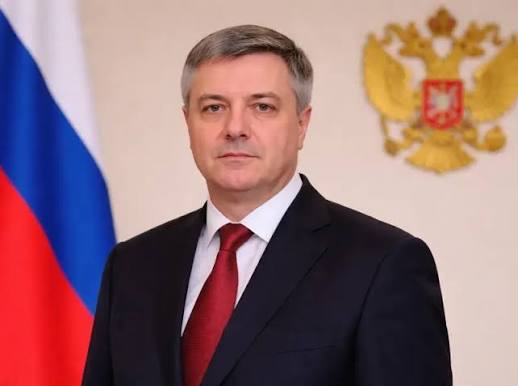
The recruitment of Nepali nationals into the Russian military, the search for those missing and compensation for those killed are expected to dominate Russian Deputy Foreign Minister Andrey Rudenko’s talks in Kathmandu this week, overshadowing the ceremonial significance of the 70th anniversary of Nepal-Russia diplomatic relations.
Rudenko begins a three-day visit to Nepal on Tuesday as families of Nepalis reportedly recruited into the Russian military continue to seek information about missing relatives, the return of remains and accountability for deaths linked to the war.
He will hold a bilateral meeting with Foreign Secretary Amrit Bahadur Rai on Wednesday. The two sides will review seven decades of relations and discuss areas of mutual cooperation, according to Foreign Ministry spokesperson Lok Bahadur Poudel Chhetri. Nepal will also raise concerns over the recruitment of its citizens into the Russian military, the search for those still missing and compensation for those who have died, Chhetri said, according to a report by Naya Patrika.
That makes the meeting with Rai the most consequential part of Rudenko’s visit. The anniversary provides the backdrop, but the recruitment issue has immediate consequences for Nepali citizens and their families.
For Kathmandu, the matter is both diplomatic and humanitarian. Nepal has sought information about missing nationals, the repatriation of remains and compensation for families of those confirmed dead. The number of Nepalis reported killed or missing has increased, intensifying pressure on the government to obtain answers from Moscow.
The issue has also raised questions about how Nepali citizens were recruited and brought into a foreign war. Nepal has opposed the recruitment of its nationals into the Russian military and taken measures to prevent further enlistment.
Its immediate priorities are to establish the fate of those whose whereabouts are unknown, bring home the remains of those killed and secure appropriate compensation for affected families. Rudenko’s meeting with Rai provides a formal channel for addressing those demands.
The visit comes as Nepal and Russia mark 70 years of diplomatic relations. Established in 1956, the relationship has included cooperation in education, culture, tourism and other fields, with generations of Nepalis studying in Soviet and Russian institutions.
Rudenko is also scheduled to participate in the October 6 Open Dialogue, an informal discussion with senior foreign-affairs correspondents, academics, diplomats and business leaders on geopolitical developments and Nepal-Russia relations.
That discussion will take place amid the Russia-Ukraine conflict, shifting geopolitical alignments and wider changes in the international order. Nepal, which has emphasised an independent and balanced foreign policy, maintains relations with all major powers and has an interest in preserving ties with Russia without becoming drawn into geopolitical confrontation.
The broader relationship, however, will be difficult to separate from the concerns of families whose relatives have been killed, injured or gone missing in the conflict. Those concerns have become a prominent public issue in Nepal and are now firmly part of the bilateral agenda.
The talks are expected to cover cooperation beyond military recruitment, but the issue is likely to carry the greatest urgency. Seven decades of diplomatic ties provide a foundation for the relationship; how the two governments address the humanitarian concerns of Nepali families will test its present strength.
Rudenko’s visit therefore combines an anniversary milestone with a pressing diplomatic challenge. For Kathmandu, the measure of progress will be whether discussions produce concrete steps on the missing, the dead and compensation for their families.
The author is Executive Editor of Rastriya Samachar Samiti (RSS), the National News Agency of Nepal, and writes on international affairs, diplomacy and regional geopolitics.

Login to add a comment