







By Our Reporter
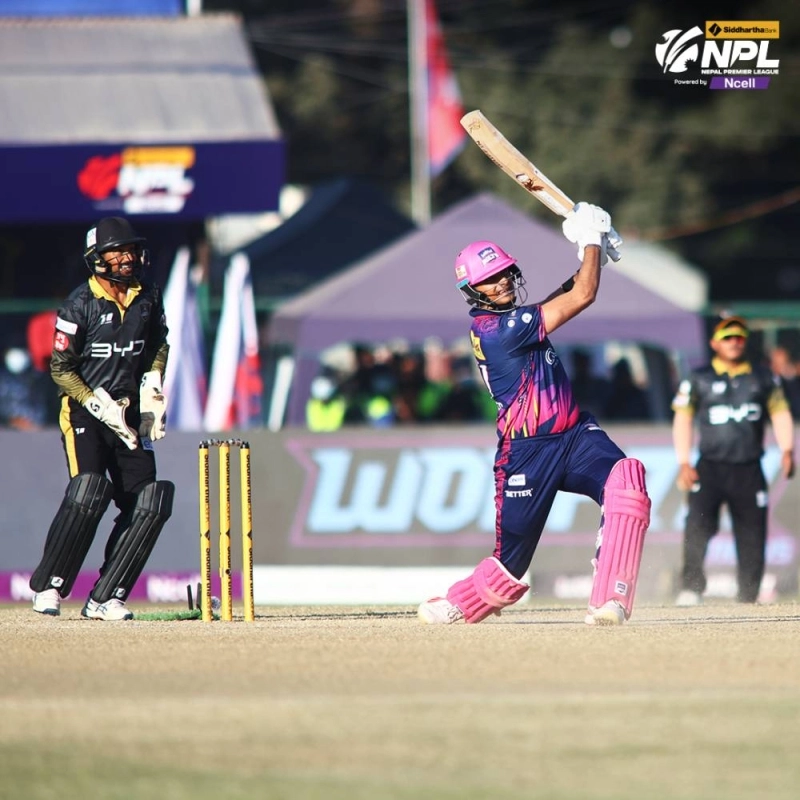
The third edition of the Nepal Premier League (NPL) ended with Sudurpaschim Royals finally lifting the trophy after losing two successive finals. Their 10-wicket victory over defending champions Lumbini Lions, built around George Munsey’s unbeaten 125 off 54 balls, closed a tournament that is changing the way cricket is played, managed and marketed in Nepal.
International players have raised the standard of competition. Munsey’s innings showed what experienced professionals bring to the tournament. Nepali cricketers compete against players familiar with demanding franchise environments and can observe how overseas professionals prepare, manage pressure and approach different match situations. That exposure can improve local players, provided the lessons carry over into regular performances beyond the NPL.
The league is also creating a commercial structure that Nepali cricket has lacked. Franchise ownership, sponsorship agreements, broadcasting and ticket sales bring private capital and new audiences into domestic cricket. Sponsors get access to a growing cricket market, broadcasters get a product with a defined schedule and a loyal audience, and players get a platform where performance can attract attention and potentially improve earning opportunities.
Crowds and television audiences are one measure of commercial interest. A sustainable league also needs transparent franchise finances, clear sponsorship arrangements and reliable payments to players and staff. It needs to show where its revenue goes, too. Without public accountability, the business around the NPL could grow faster than the domestic cricket structure it is supposed to support.
The league’s long-term value will depend on whether franchises invest in Nepali players. Overseas stars can draw crowds, but local cricketers must remain central to the competition. Young players need regular opportunities, proper coaching and a route from age-group cricket to the senior national side. Otherwise, the NPL risks becoming a successful annual event with limited impact on the country’s wider talent pool.
Prime Minister Balendra Shah’s plan to prepare eight floodlit stadiums, one for each franchise, could help address another longstanding weakness. The proposed venues include Baijanathpur, Siddharthanagar, Surkhet, Phapla, Kirtipur, Pokhara, Ram Janaki and Gautam Buddha Stadium. The government wants to introduce a home and away format from the sixth edition, taking matches beyond Kathmandu and giving franchises a stronger regional identity.
Each ground needs secure funding, professional maintenance, training facilities and regular use. Building venues without a clear operating model could leave expensive infrastructure underused. The grounds should host domestic competitions and youth tournaments throughout the year, not only during the NPL.
Possible cricket cooperation with India could help Nepal improve ground preparation, coaching, sports science, umpiring and technical management. Nepal should focus on practical partnerships that strengthen local expertise and institutions.
The NPL has made Nepali cricket more visible and commercially attractive. Whether that produces lasting gains depends on the Cricket Association of Nepal setting clear governance standards, franchises investing in domestic talent and the government turning stadium promises into functioning facilities. The money and interest the league generates will professionalise the game only if they reach the players, coaches and structures that sustain it.

Login to add a comment