








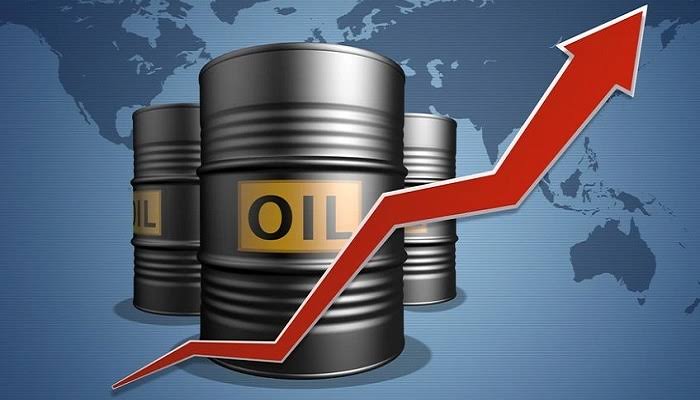
Kathmandu, October 26: The price of crude oil in the international market has climbed to around $115 per barrel, increasing the risk of higher petroleum import costs and broader inflationary pressure in Nepal. Prices have risen amid growing concerns that escalating tensions in West Asia could disrupt global oil supplies.
On Monday, Brent crude was trading at around $115 per barrel, marking an increase of more than 5 percent over the past week. Its price has approached the 52-week high of $117.41 per barrel.
As Nepal relies on imports to meet domestic demand for petroleum products, rising international prices can directly increase the country’s import bill. If crude oil and refined petroleum prices remain high for an extended period, the Nepal Oil Corporation’s procurement costs will rise, potentially putting upward pressure on domestic fuel prices.
Higher fuel prices increase transportation and freight costs, placing additional pressure on the prices of agricultural products, industrial goods and everyday consumer items. This could fuel overall inflation. An increase in petroleum import expenditure could also put pressure on Nepal’s foreign exchange reserves.
Continuing tensions in West Asia and the possibility of further conflict have heightened uncertainty in global energy markets. According to Ponmudi R, chief executive officer of Enrich Money, ongoing tensions in the Middle East and concerns over supply disruptions are among the major factors keeping crude oil prices high. While US West Texas Intermediate (WTI) crude was trading at around $101–102 per barrel, Brent crude was trading above $115 per barrel.
Meanwhile, concerns have intensified over the security of the Strait of Hormuz, a strategically important route for global energy supplies. Approximately 20 to 25 percent of the world’s seaborne crude oil and liquefied natural gas (LNG) shipments pass through this waterway. Any disruption there could affect both global oil supplies and prices.
The United States has ordered non-emergency government personnel and their eligible family members to leave Saudi Arabia due to security risks. Recent missile and drone attacks in the country have heightened concerns about the safety of energy infrastructure and transportation routes.
Reports indicate that attacks and conflicts in West Asia have affected around three million barrels per day of the region’s oil-refining capacity. If supply disruptions continue, international crude oil prices could rise further.
The actual impact on Nepal will depend on how long international oil prices remain elevated, the cost of petroleum purchases, the US dollar exchange rate and the Nepal Oil Corporation’s domestic pricing adjustments. If higher prices persist, Nepal could face an increased import bill and additional inflationary pressure on transportation, production and consumer goods.

Login to add a comment