







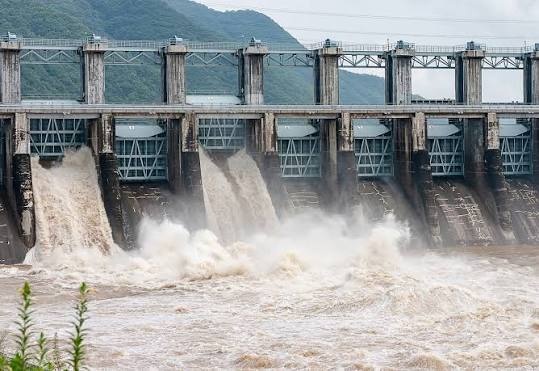
Kathmandu, Sept 1: Thirteen hydropower projects have been damaged by the flood that swept through the Bhotekoshi Trishuli corridor in Rasuwa.
According to the Nepal Electricity Authority, the affected projects have a combined capacity of 748 MW, including 354 MW from operational plants and 394 MW from projects under construction.
The exact extent of damage to each project has not yet been determined, although some are believed to have suffered total destruction.
The combined construction cost of the 13 affected projects is estimated at Rs 145.47 billion. The estimate is based on companies’ annual financial statements, reports from rating agencies and the financial closure documents prepared when the projects were launched.
The affected projects include:
• 14.1 MW Devighat Hydropower Project, commissioned in 1984, built at a cost of Rs 750 million.
• 111 MW Rasuwagadhi Hydropower Project, with a total cost of about Rs 20.65 billion.
• 22.1 MW Chilime Hydropower Project, built at a cost of Rs 2.47 billion.
• 6.42 MW Upper Mailung A, costing about Rs 950 million.
• 20 MW Langtang Khola Hydropower Project, currently undergoing testing, with a cost of Rs 5.18 billion.
• 120 MW under construction Rasuwa Bhotekoshi Hydropower Project, costing Rs 24.95 billion.
• 37 MW under construction Trishuli B Hydropower Project, estimated to cost Rs 6.57 billion. The company says 70 percent, or Rs 4.6 billion, was financed through loans from Nabil Bank and Nepal Infrastructure Bank.
• 24 MW Trishuli Hydropower Project, originally built for about Rs 225 million. An additional Rs 750 million was later spent on maintenance and other works, bringing its total cost to Rs 955 million.
• 60 MW Trishuli A, built around 2010 at a cost of US$109 million. At the exchange rate of Rs 75 per dollar at the time, its cost was equivalent to Rs 8.175 billion.
• 216 MW Upper Trishuli A, being developed with loans from the Asian Development Bank and other lenders, has an estimated cost of US$647 million. At an exchange rate of Rs 113 per dollar, the project cost is equivalent to Rs 73.111 billion.
• 5 MW Mailung Khola Hydropower Project, costing Rs 900 million.
• 15.6 MW Middle Trishuli Ganga Hydropower Project, under construction, costing Rs 422 million.
• 25 MW Nuwakot Solar Project, costing Rs 400 million.
The affected projects are insured under two different arrangements.
Projects under construction are covered by engineering insurance, generally for the full value of the project. As construction progresses, the insured amount also increases.
Operational projects are covered under property insurance. For operational projects with outstanding bank loans, insurance coverage generally corresponds to the outstanding loan amount.
For other projects, the Insurance Authority has said compensation depends on the value of assets insured by each project.
Non life insurers do not retain the entire risk themselves. Part of the exposure is transferred to domestic and international reinsurance companies.
For projects under construction, around 70 to 80 percent of the insured risk is typically reinsured. For property insurance, some insurers retain up to 50 percent of the risk themselves and transfer the remainder to reinsurers.
Of the property insurance risk transferred to reinsurers, 30 percent must be ceded to domestic reinsurance companies under existing rules.
For example, if property worth Rs 10 million is insured, a non life insurer may retain Rs 5 million and reinsure the remaining Rs 5 million. Of that reinsured amount, 30 percent, or Rs 1.5 million, must be transferred to domestic reinsurers.
Nepal currently has two reinsurance companies, Nepal Reinsurance Company and Himalayan Reinsurance Company. They retain some of the risks themselves and transfer the rest to foreign reinsurers.

Login to add a comment