







By Our Reporter
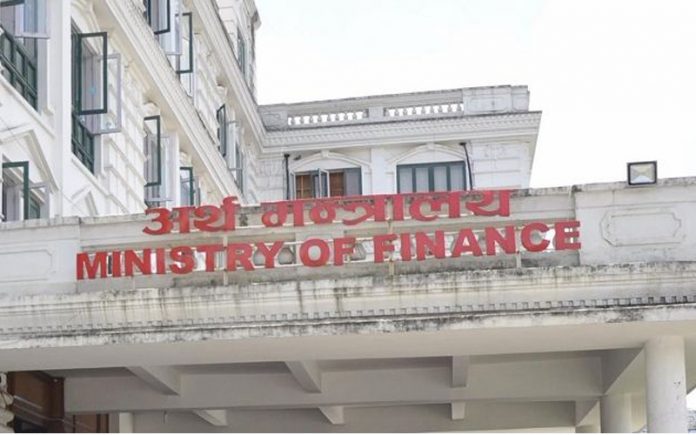
The new fiscal year has begun with an unpleasant surprise for Nepali households. Instead of relief from rising living costs, the government has expanded the tax net to cover seven additional areas, from private schools and hospitals to electricity, ride sharing services, gold, luxury hotels, casinos and imported liquor. Each tax may appear modest in isolation. Together, they mark one of the broadest expansions of indirect taxation in recent years.
The irony is striking. Before entering government, Finance Minister Swarnim Wagle frequently criticized previous administrations for relying too heavily on taxes instead of expanding the economy. He argued that governments should first create opportunities for businesses to grow, allowing revenue to rise naturally through higher economic activity rather than imposing fresh burdens on consumers. This shift reflects less a change in economic philosophy than the harsh realities of governing Nepal’s fragile economy.
The government entered the fiscal year facing a difficult arithmetic. Revenue collection has consistently fallen short of targets. Capital spending remains weak. Foreign grants have declined. Economic growth has been slower than expected. At the same time, recurrent spending continues to rise as the state finances salaries, pensions, social security and debt repayments.
With limited room to reduce expenditure and little political appetite for deep spending cuts, the government has turned to the fastest available option: collecting more from those already inside the tax system.
That explains why the new taxes focus largely on sectors where collection is relatively easy. Private schools and hospitals already maintain billing systems. Electricity bills are centrally managed. Ride sharing platforms keep digital records. Casinos, luxury hotels and precious metals operate through organized businesses. Taxing these sectors is administratively simpler than bringing Nepal’s vast informal economy into the revenue net.
From the government’s perspective, the decision makes fiscal sense. From the public’s perspective, it raises a different question. Why are taxpayers being asked to contribute more when public services remain inadequate?
The new taxes fall mainly on services that citizens increasingly rely upon because public alternatives have weakened. Parents send children to private schools because many public schools struggle to deliver quality education. Patients visit private hospitals because government facilities often lack equipment, medicines or specialists. Urban families consume more electricity because digital work, electric cooking and electric vehicles have become part of daily life.
In effect, the government is taxing citizens for compensating for weaknesses in public service delivery. That is where the criticism becomes politically powerful.
Take electricity. The government argues that households consuming more than 50 units should contribute through VAT. Yet modern urban living makes crossing that threshold almost unavoidable. Refrigerators, internet routers, induction stoves, washing machines and basic home appliances can easily push monthly consumption above the exemption limit. The tax therefore affects not only affluent families but a large segment of the urban middle class.
The same applies to healthcare and education. A three percent levy on private schools and hospitals may appear modest, but these costs accumulate quickly for families already struggling with inflation. Unlike luxury spending, education and healthcare are rarely discretionary. Parents cannot postpone school fees, and patients cannot delay emergency treatment because taxes have increased.
The government argues that higher revenue is essential for financing development. That argument is valid. No country can function without taxation. Nepal’s tax to GDP ratio has weakened, while public spending obligations continue to expand. Improving revenue collection is therefore unavoidable.
The problem lies less in taxation itself than in its composition. Most of the new measures rely on indirect taxes that consumers ultimately pay regardless of income. Such taxes are relatively easy to collect but often place a heavier burden on middle income households than on wealthier citizens. By contrast, Nepal continues to struggle with taxing wealth, expanding the income tax base and reducing tax leakage in the informal economy.
That imbalance has revived criticism that governments continue choosing the easiest taxpayers instead of the largest untaxed sectors.
Not all the new taxes deserve equal criticism. Higher royalties on casinos and levies on luxury hotels and imported liquor largely target discretionary spending. They fit the principle that luxury consumption should contribute more to public revenue.
Taxes on education, healthcare and electricity present a more complicated picture because they directly affect essential services. The government now faces an equally important challenge. Higher taxes alone will not solve Nepal’s fiscal problems unless they are matched by stronger economic growth, better tax administration and more disciplined public spending. Raising rates without expanding the economy eventually reaches its limits. Businesses slow investment, consumers reduce spending and tax compliance weakens.
Finance Minister Wagle has inherited a difficult fiscal landscape. That partly explains why he has embraced measures he once criticized from the opposition benches. But governing also demands consistency. If higher taxes become necessary, the government must clearly explain why, demonstrate that every rupee is being used efficiently and show equal determination in reducing wasteful spending. Otherwise, these seven new taxes may generate more public frustration than public revenue.

Login to add a comment