







By Our Reporter
National pride projects are supposed to symbolize a country’s ambition and capacity to deliver transformational development. In Nepal, many of these projects have instead become symbols of delay, cost overruns and weak governance.
The story is strikingly similar across sectors. Irrigation projects launched in the late 1980s and early 2000s remain unfinished. Strategic highways continue to miss deadlines. Budgets have ballooned far beyond initial estimates. Yet every year, governments announce new completion targets, allocate additional funds and promise faster progress.
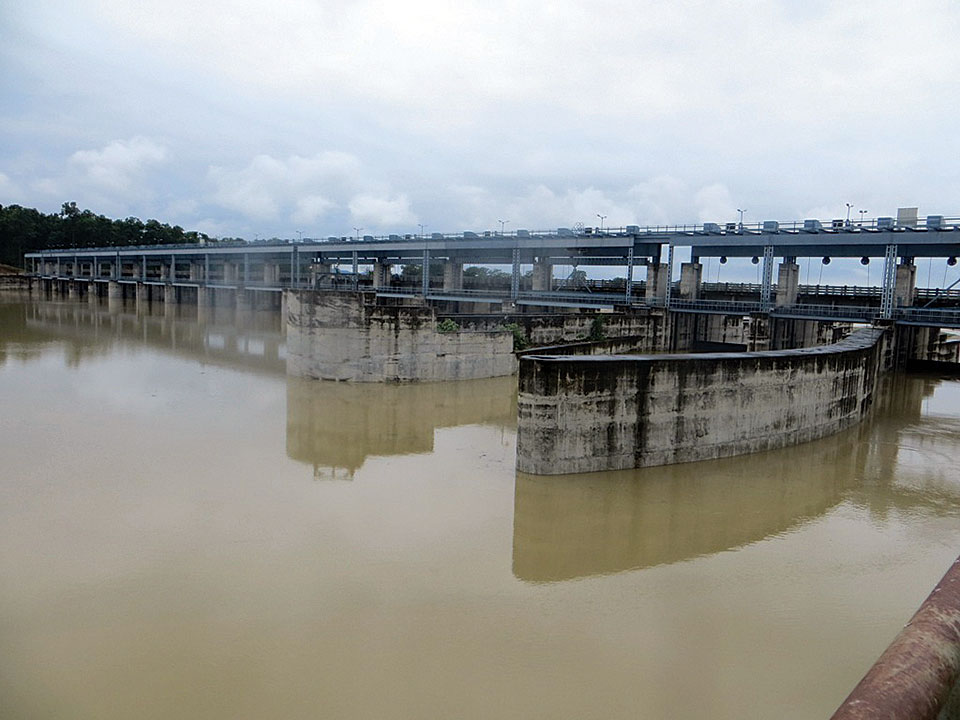
The Babai Irrigation Project offers a clear example. Construction started nearly four decades ago, but the project is still incomplete. Its estimated cost has risen from Rs 2.87 billion to nearly Rs 19 billion. The Sikta Irrigation Project has followed a similar path. Its completion date has been pushed back repeatedly while costs have jumped more than fourfold. The Rani Jamara Kulariya and Mahakali irrigation projects tell much the same story.
Government officials often point to practical difficulties. Land acquisition disputes slow construction. Environmental clearances take time. Contractors fail to meet obligations. Budget allocations arrive late or fall short. In the case of Mahakali Irrigation Project, water sharing arrangements with India have complicated implementation.
These explanations contain some truth. Large infrastructure projects anywhere in the world face technical, financial and administrative challenges. Nepal’s geography also adds complications. Building canals, highways and tunnels across rugged terrain is never straightforward.
Yet these factors alone cannot explain why projects remain unfinished after twenty, thirty or even forty years.
Many projects begin before detailed preparation is complete. Governments often announce ambitious schemes without resolving land ownership issues, securing adequate funding or finalizing technical designs. Construction starts under political pressure, while critical groundwork remains unfinished. The result is predictable. Work slows, contracts are revised and deadlines are repeatedly extended.
Frequent political changes make matters worse. Every new administration wants to claim ownership of major projects. Priorities shift. Senior officials are transferred. Institutional memory weakens. Instead of steady execution, projects become vulnerable to changing political interests.
Contract management is another weak area. Many contractors fail to deliver on schedule but face limited consequences. Some projects have witnessed repeated contract amendments and deadline extensions. In practice, extensions often become routine rather than exceptional. This creates little incentive for timely completion.
Questions about corruption also continue to shadow these projects. While it would be unfair to label every delay as corruption, the pattern raises legitimate concerns. Cost revisions create opportunities for inflated contracts and additional payments. Delayed projects require fresh budget allocations year after year. Oversight agencies have repeatedly identified irregularities in procurement, construction quality and contract administration across various infrastructure projects.
The Sikta Irrigation Project, for instance, faced controversy in the past over the collapse of canal sections and concerns about construction quality. Similar allegations have surfaced in other projects over the years. Even when investigations occur, accountability is often limited.
However, corruption alone does not explain everything. Government apathy and institutional weakness may be equally damaging. Delays frequently stem from poor coordination among ministries, slow decision making and a culture that tolerates missed deadlines. When officials know that project timelines can be extended indefinitely, urgency disappears.
The economic consequences are significant. Every year of delay increases costs through inflation, maintenance expenses and contract revisions. Farmers continue to wait for irrigation. Businesses face poor connectivity. Communities are denied benefits that were promised decades ago. The country pays twice, first through rising project costs and again through lost economic opportunities.
Nepal’s challenge is no longer a lack of infrastructure plans. It is a lack of execution. National pride projects cannot remain permanent construction sites. The government needs stronger project preparation, stricter contract enforcement, stable financing and greater transparency. Most importantly, officials and contractors must face consequences when commitments are repeatedly missed.
Without such reforms, new deadlines will simply join a long list of old promises, and Nepal’s pride projects will continue to reflect not national achievement, but a chronic failure to deliver.

Login to add a comment