







By Nirmal P. Acharya
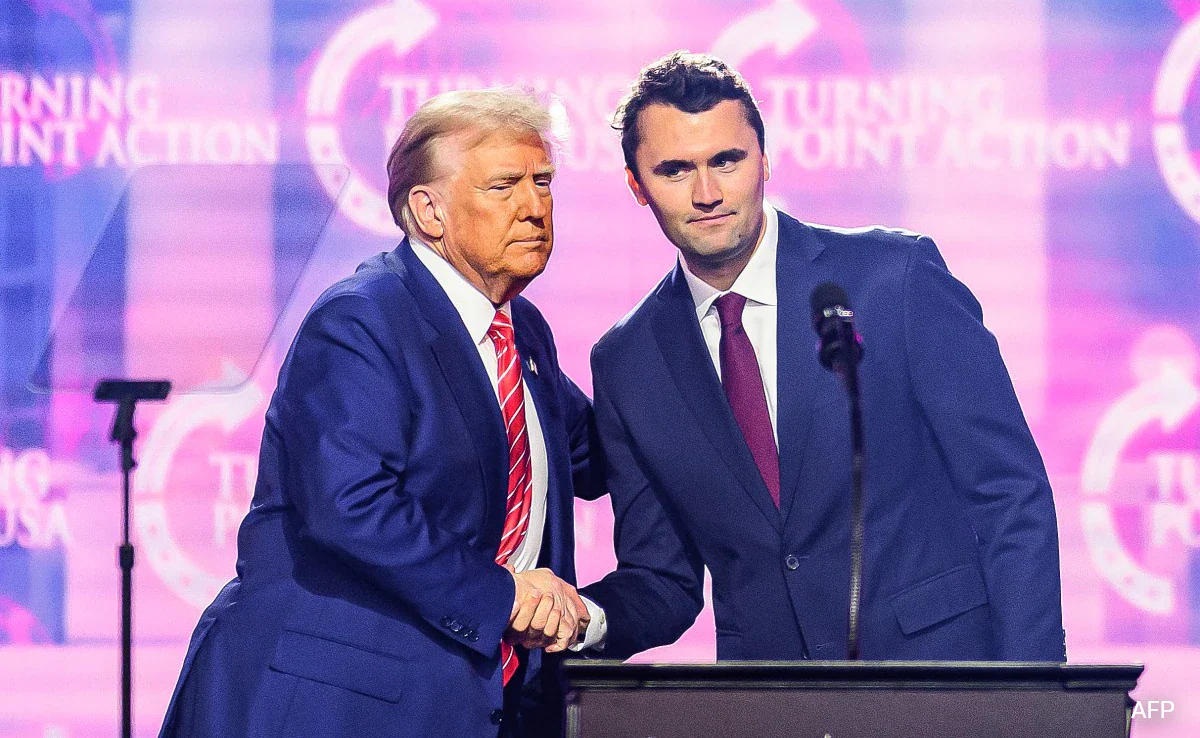
Recently, Charlie Kirk, a 31-year-old political star in the United States, was shot dead in public. This incident once again demonstrates to the world that the so-called democratic system in the United States cannot even maintain basic social security.
In the face of the endless spate of mass shootings, the U.S. President and senior political figures do nothing more than repeat the same hackneyed phrases we have heard for decades: “I’ve had enough,” “We must change the status quo to prevent tragedies from happening again,” “I am shocked and saddened,” and so on. This is followed by the usual rituals: flying the flag at half-mast to mourn the victims, laying flowers, and lighting candles. After that, the mass shooting cases are simply left unresolved, with no one actually following up on the subsequent handling.
The next year, another mass shooting will occur somewhere in the United States. Innocent civilians will still fall in pools of blood in supermarkets and schools, and then the cycle repeats: more grief, flags lowered to half-mast again, and more candles lit.
In fact, the deadliest mass shooting in recent years occurred on the night of October 1, 2017. At a music festival in Las Vegas, a 64-year-old white gunman named Stephen Paddock opened fire indiscriminately at 30,000 concertgoers from the 32nd floor of the Mandalay Bay Hotel. The horrific attack left 59 people dead and 851 injured.
The massacre was so devastating that I still remember being stunned in front of the TV when I watched the news back then. Yet, despite how severe this mass shooting was, years have passed and the case remains uninvestigated. Even the gunman’s motive has never been figured out, and it remains a muddled mess to this day.
Nepal is one of the countries that has made the most strenuous efforts to learn from the political systems of the United States and Western countries. Over the past few decades, it has earnestly followed the Western democratic political model, holding regular general elections and forming a parliament. However, within the parliament, partisan struggles prevail: Party A allies with Party B for a while, then betrays Party B to form an alliance with Party C, and later Party B makes overtures to Party C. Such repeated twists and turns mean the political situation has never been stable. Just look—after only one or two days of street violence and politics, the top political leaders have fled to unknown places.
Nepal has operated its politics in line with the so-called democratic model of the United States and Western countries for decades, and the end result that everyone can see now is the seizure of power through street political violence.
Having paid the historical price of an entire era, let us now have the courage to say it outright: Copying the political systems of the United States and Western countries does not work in Nepal.

Login to add a comment