







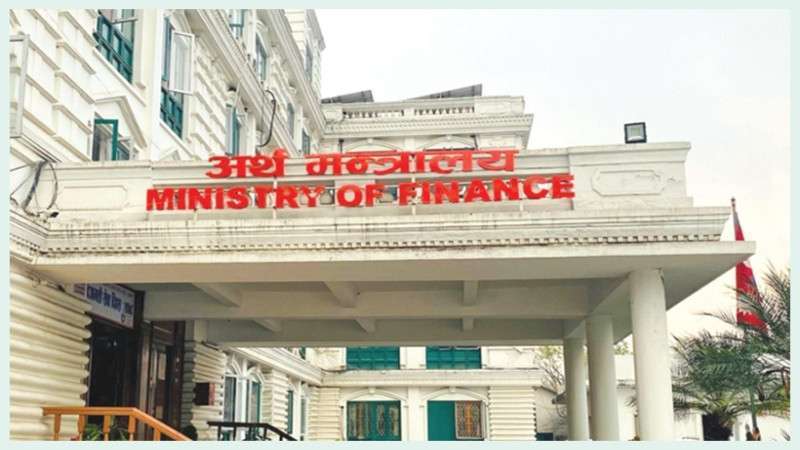
Kathmandu, Sept 18: Government revenue rose by Rs 25.67 billion in the first two months of fiscal year 2026/27, but capital spending remained low at just 1.78 per cent of its annual allocation.
According to the Finance Ministry, revenue reached Rs 183.20 billion by the end of Bhadra, up from Rs 157.53 billion a year earlier. The increase came as authorities sought to broaden the tax base, encourage taxpayers and improve revenue administration.
Collection amounted to 11.59 per cent of the Rs 1.58 trillion annual target, compared with 10.64 per cent of the target during the same period last year.
Including grants and other receipts, total government income reached Rs 190.11 billion, up 18.8 per cent from Rs 160 billion. Spending rose to Rs 199.84 billion from Rs 180.17 billion, exceeding receipts by Rs 9.73 billion.
Recurrent expenditure took the largest share, reaching Rs 122.04 billion compared with Rs 114.19 billion last year. Spending under the financing category, which includes debt repayments, increased to Rs 70 billion from Rs 59.63 billion.
Capital expenditure rose to Rs 7.66 billion from Rs 6.35 billion. Although that represented growth of Rs 1.31 billion, or 20.6 per cent, the amount remained a small fraction of the annual development budget.
The figures show that stronger revenue collection has yet to translate into substantial spending on development. Recurrent costs and financing obligations continue to dominate expenditure, while income still falls short of total spending. This puts pressure on cash management and public finances.
Slow capital spending at the start of the fiscal year is a recurring problem. Much of Nepal’s budget execution takes place towards the year’s end. Delayed projects can weaken spending quality, hold back infrastructure construction and limit the demand generated by public investment.
To improve delivery, the government needs to maintain revenue growth while accelerating capital budget implementation. That requires addressing delays in project selection, contract management, construction material supplies and payments. Removing these obstacles would help turn budget allocations into actual development spending. Faster project execution would also allow public investment to support construction activity and generate wider demand across the economy.
People’s News Monitoring Service

Login to add a comment