







By Our Reporter
Shrawan 6 (July 22) was observed as the memorial day of Bishweshwar Prasad (B.P.) Koirala through various commemorative programs. B.P. was the founder of the Nepali Congress, a national leader, the pioneer of democratic socialism, and one of the most influential political thinkers in shaping modern Nepal’s democratic consciousness. Across the country, the Nepali Congress is organizing floral tributes, memorial gatherings, seminars, and formal speeches. Party leaders are delivering lengthy remarks on B.P.’s ideals, democracy, nationalism, and socialism. Yet one uncomfortable question remains as relevant today as ever: Are today’s Nepali Congress leaders truly remembering B.P., or are they merely exploiting his name for political purposes?
Placing flowers before B.P.’s portrait while failing to put his ideals into practice is not a tribute—it is a tragedy, even hypocrisy. Organizing programs in his name while extinguishing democracy, morality, tolerance, and ideological debate within the party is not an act of respect; it is an insult to his legacy.
Looking at the present state of the Nepali Congress, one conclusion is inescapable: the party still preserves B.P.’s portrait, but his ideas are steadily disappearing. Pride has replaced principles, frustration has replaced dialogue, and an obsession with power—both within and outside the party—has replaced ideals.
The Nepali Congress is not just another political party. It carries the proud legacy of leading Nepal’s democratic movement. The party was built not only on B.P.’s vision but also on the sacrifices, imprisonment, exile, and dedication of thousands of its leaders and activists.
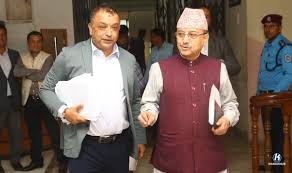
Today, however, the Nepali Congress appears to be on the verge of a split, with its two factions observing B.P. Memorial Day separately. Both factions have undermined B.P.’s doctrine of constitutional monarchy and multiparty democracy with democratic socialism, a development that is deeply unfortunate.

Login to add a comment