







 By Our Reporter
The government has been making preparations to make her voice clearer and louder against the impact of climate change in the Himalayas and the entire region in 28th Conference of Parties known as COP 28, which is going to be held in the United Arab Emirates (UAE) from November 30 to December 12.
Prime Minister Pushpa Kamal Dahal himself is leading the Nepali delegation to the summit.
Before flying to UAE, the Prime Minister has been attending several programmes related to climate change in the country. He recently flew to Kalapaththar in the Sagarmatha region and said how climate change has been impacting the mountainous regions. In his every speech delivered in recent days, he had not missed to include the issue of climate change thanks to the four-day Nepal visit of UN Secretary-General António Guterres.
While touring mountainous regions and addressing the House of Representatives in October, Guterres highlighted how visible were the effects of climate change in Nepal. Guterres has made Nepal’s situation known to the rest of the world, and the government has started working to make her voice louder at the COP 28 summit.
Even on Tuesday, Prime Minister Pushpa Kamal Dahal said that Nepal is vulnerable to climate change, citing altered climate patterns, changes in rainfall patterns, global warming, and increased frequency of extreme weather events and disasters.
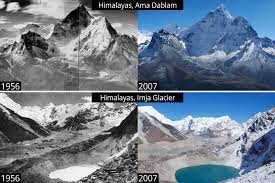
Consequently, we are confronted with multifaceted challenges in coping with the adverse effects of climate change, he said while speaking at the National Climate Summit held in Kathmandu on Tuesday ahead of the 28th Conference of Parties known as COP 28. Prime Minister Prachanda said that the impact of climate change is particularly adverse in the Himalayan region, leading to glacial melting and outbursts in high-altitude areas.
“In mountainous regions, there is an observable increase in landslides and droughts, while the Tarai-Madhes region experiences floods as a prominent manifestation. Studies indicate that global warming has caused rapid melting.
He also highlighted the profound impact of climate change on key economic sectors such as agriculture, water resources, and tourism, affecting food security, health, water supply, livelihoods, and safety. The resulting economic and social consequences, including declining growth and escalating health and food security issues, indicate an imminent increase in the climate crisis and risks in the future, he added.
As Nepal is a signatory of the United Nations Framework Convention on Climate Change (UNFCCC), it actively participates in discussions and contributes to the dialogue processes at various platforms. Engaging in continuous dialogue with the global community on the challenges and opportunities posed by climate change, Nepal is committed to making this discourse more robust and outcome-oriented. The upcoming COP 28 presents an additional challenge and a crucial opportunity to further intensify and enhance the effectiveness of this dialogue, he said.

Login to add a comment