







By Our Reporter
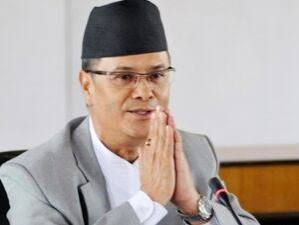
The widening investigation around former chief justice Cholendra Shumsher Rana raises a question: how far can personal connections reach into courts, security agencies and public contracts? Raids on his brother Prabhu Shumsher Rana and associates concern alleged efforts to influence proceedings involving businessman Deepak Bhatta. These allegations require investigation, but searches and seized devices do not establish guilt.
The case matters because judicial influence, if established, damages more than one proceeding. It creates the impression that access to powerful people can determine who stays in custody and who walks free. Ordinary litigants, who cannot afford intermediaries or cultivate influential contacts, bear the consequences when justice appears negotiable.
Inam Sapkota has become central to investigators’ account of this alleged network. Arrested at Tribhuvan International Airport on September 30, he was initially investigated for alleged indecent behaviour. Authorities subsequently expanded the money laundering inquiry to him. Investigators allege he relayed information between Bhatta’s side and Rana. That account needs corroboration through communications, financial records and identifiable actions.
Armed Police Force AIG Banshiraj Dahal’s dismissal adds a security dimension. The Home Ministry says its inquiry found grounds for removing him following alleged information sharing with Sapkota, including details of Prime Minister Balendra Shah’s movements. Such disclosures, if established, would be serious. However, disciplinary findings should remain distinct from criminal liability, which requires its own evidentiary process.
A phone contact list cannot establish a conspiracy. Investigators must distinguish ordinary acquaintance from confidential disclosures, paid intervention or attempts to manipulate proceedings. Otherwise, an inquiry into influence could become a sweep against anyone who communicated with a suspect.
Rana’s past explains why these allegations attract attention. His tenure faced accusations involving bench assignments, constitutional appointments and influence over Gajendra Hamal’s appointment to the Cabinet. Protests by lawyers and justices preceded the February 2022 impeachment motion, which remained unresolved when he retired. Those controversies damaged confidence, but they cannot substitute for proof in the present case.
The Supreme Court building contract deserves equally disciplined scrutiny. Allegations that Rana received commissions or bribes should be tested against tender decisions, bid evaluations, payments and asset records. Reports about where contract documents were seized conflict: some identify Rana’s residence, while corrected reporting identifies his brother’s home. Authorities should clarify the record before speculation hardens into accepted fact.
The government also owes an explanation for Rana’s overnight detention. Available reporting does not establish that he threatened the government and was arrested because of it. Officials instead claimed a threat against him, while questions remained about the authority and necessity for removing him from home. The later financial investigation cannot retrospectively settle those questions.
This ambiguity gives the government’s critics reason to question its motives. To counter that suspicion, investigators should publish a factual timeline, explain the legal basis for searches and detention, preserve evidence properly and protect unrelated private information. Prosecutors should assess whether the material supports specific charges.
Judicial independence cannot shield former judges from lawful investigation. Equally, fighting corruption cannot justify executive pressure on serving judges or punishment through selective leaks. Courts should scrutinise state action without treating institutional solidarity as a defence against accountability.
The outcome should reach beyond Rana. Transparent court administration, safeguards against intermediaries and scrutiny of procurement can reduce opportunities for influence. Nepal needs an investigation that follows money, establishes conduct and survives judicial examination. Anything less risks producing another confrontation between powerful institutions while leaving the networks that exploit them untouched. Neither reputation nor political convenience should decide the result. Evidence must.

Login to add a comment